
Written by Lidia Vijga, founder at DeckLinks
I hear founders talk about burnout all the time. Some say it openly. Some hide it inside polished updates. Some do not say it at all. I went through founder burnout myself, and looking back, it wasn’t just about stress. It happened because I lost my connection to my true self.
If you are VC-backed, the pressure can get louder after the raise. You have more resources, yes. You also have more people watching, more expectations, and less room to look uncertain. The dark side of entrepreneurship does not disappear because the company got funded.
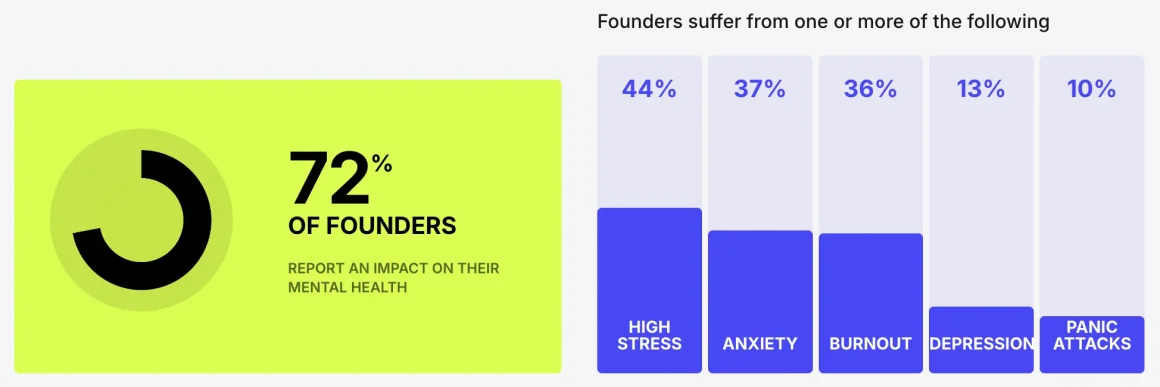
A Startup Snapshot report found that 72% of startup founders said starting a company hurt their mental health. In that same study, 36% reported burnout. Those numbers feel very real to me.
Burnout gets louder after the headline
You face more pressure once the world knows you have raised capital.
Success creates a trap
A funding round gives you fuel. It also creates a story around you. People act like you made it. You know the truth. The real work starts after the announcement.

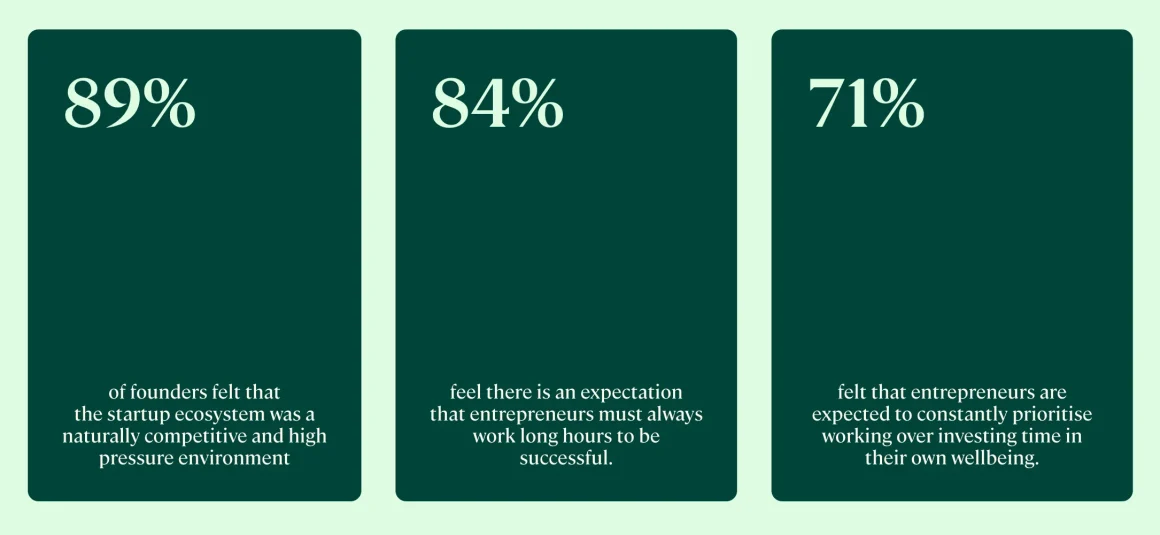
A Balderton Capital survey found that 89% of founders see the startup ecosystem as naturally competitive and high-pressure, 84% feel long hours are expected, and 71% feel work comes before wellbeing. That is the environment you are operating in. No wonder so many founders feel burnout.
I think burnout grows in silence too. At BYVI, I pay close attention to what founders are not saying. The best insight often sits there. Burnout hides there as well, in the skipped details, the forced optimism, and the pressure to always look like you are crushing it for the board, your team, and the market.
Black and white thinking makes it worse
A lot of founders fear they will not make it. They think in black and white colors. Every missed target feels final. Every pivot feels like proof that something is wrong.

Startup life happens in the gray area. One thing leads to another. Then that thing leads to something else. Pivots and iterations are part of the journey, and the faster you accept that, the less personal every hard moment feels.
What actually helps when you feel burned out
When things get tough, I do two things: I return to my purpose by connecting with customers, and I stop listening to distractions to focus only on what drives growth.
Reconnect with your purpose and customers
When I feel founder energy dropping, I always go back to customers. As founders, we build companies to solve their problems, and remembering that purpose is the best way to regain focus.
I ask what changed for them. I ask what problem still hurts. I ask how the product fits into their real life.
I also save screenshots of kind notes from customers in “Customer Love” folder. On tough days, I look through this folder to remember why our work matters.

Regardless of the company stage, I believe founders need to stay close to the people they are helping. Reminding yourself why you dedicated your life to solving their pain points is a powerful reset. And that resets me fast.
Purpose protects you. Distance from purpose drains you. When the company starts to feel like a spreadsheet, burnout grows much faster.
And even when you fail, your work remains worthwhile if it aligns with your purpose. Stay close to your users, and you will eventually figure it all out and find your way.
Cut noise before it drains the team

After a raise, it is very easy to confuse motion with progress. More channels. More features. More meetings. More experiments. Suddenly everyone is busy and no one feels clear.
I always come back to a simple rule: solve one problem for one audience. Know your ICP. Know the pain. Know why this matters right now. Clarity protects energy, and it protects cash too.
This is also why I care so much about organic growth. Every company grows differently, but the best growth usually comes from going deep on what already works. Go by what is already happening under the hood. Do more of the things that create traction. Cut the rest faster.
Be honest about work-life blend
A KPMG report found that 70% of founders spent nothing on improving their mental wellbeing, and only 1 in 5 felt satisfied with their mental health and stress levels. Founders keep postponing this because there is always another fire. Later comes very late.
My view here is probably not the trendy one. I do not believe in some perfect work-life balance, especially in the early stage or in a high-growth stage. There is more like work-life blend. Your brain is 100% on, and if you are truly building something ambitious, ideas will follow you into dinner, vacations, and weekends.

Still, I think it is important to take care of yourself. You need enough energy to keep leading. The goal is to make the work feel connected to your life and values. If every day feels like pure sacrifice, something is off. When you can turn your work into play, you build with more energy and less resentment.
Build founder support system that changes outcomes
Burnout gets heavier when support stays vague. Founders need practical help.
I once built a founder community around board games. The games gave people a reason to meet. In reality, we just needed to be around each other, because only other founders really understand the exhaustion of building a company and the true meaning of startup burnout.
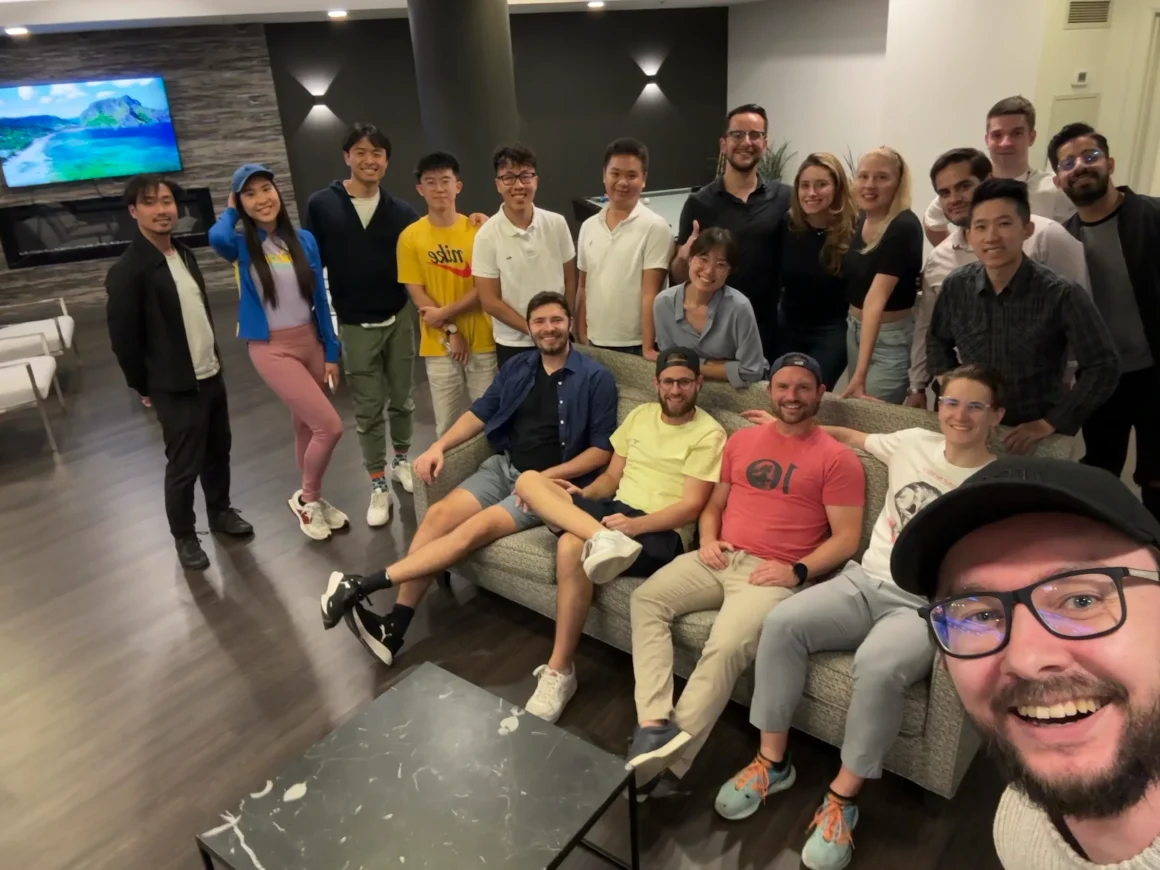
I stopped hosting board game nights, but the community we built sparked genuine connections. Founders began collaborating on deals, and one even secured his first 10 clients through those introductions.
That is why I often say we should buy from our friends and never ask for discounts. In founder communities, buying from each other is actually showing the highest form of empathy. A real founder community helps people get customers, intros, hires, partnerships, and traction. That kind of support changes how heavy the journey feels.
Final thought
Startup burnout is real, and it is common. It shows up in funded companies too. Sometimes even more.
If you feel it creeping in, go back to customers. Narrow the problem. Find founders who will support you in a practical way. The founder journey is undeniably hard. Still the hardest moments often reveal that you are building something truly meaningful. Whatever you are going through, keep creating, keep iterating, and do not give up.