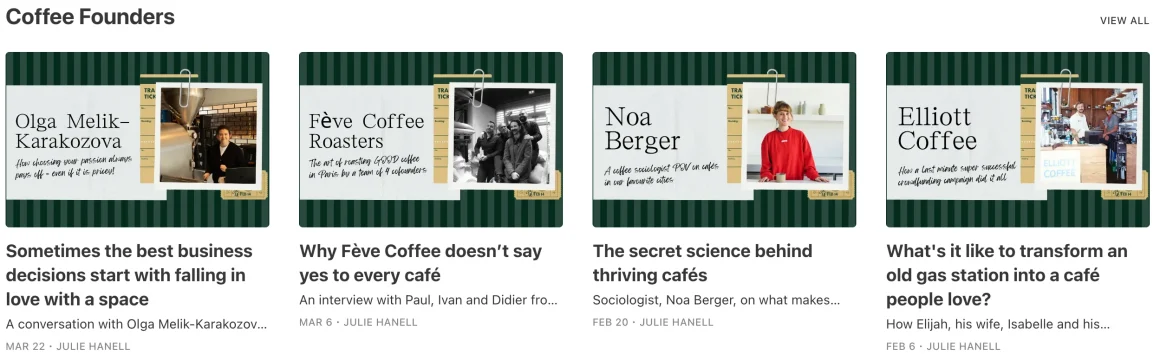
Content by Julie Hanell, The Coffee Dispatch
A lot of people want to open a cafe because they love coffee, design, and the idea of community. I get it. I opened my first cafe for many of the same reasons.
I also know how quickly the romance can get expensive. A beautiful cafe still lives or dies by daily operations. If you do not understand the machine behind the counter, the pretty parts will not save you.
If you are reading this from a 9-to-5 and wondering whether you are allowed to try, yes, you are. Just do not confuse inspiration with preparation.
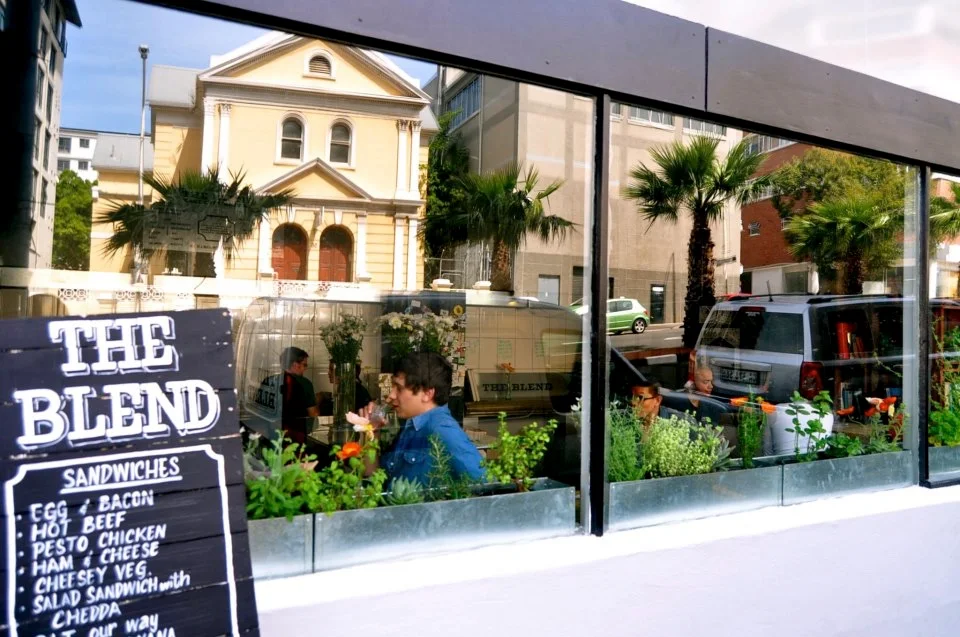
When I opened The Blend in Cape Town, I did it with around $10,000. Important disclaimer: that was in 2011, in South Africa, and that money stretched much further than it would in North America today. I am not sharing that number so you can copy it. I am sharing it because the mindset still matters.
The space was tiny, around 30 square meters, and I took it over from a scooter workshop. I met the landlords and promised I would build a really cute space for the community and for the offices upstairs. They gave me several rent-free months, which gave me time to pull the place together.
We were scrappy in every direction. The bar counters were made from swimming pool edges. We used cheap white tiles. I found fun chandeliers in an antique store. I negotiated with local roasters to each give me their own grinder, which saved me from buying several expensive ones and helped avoid cross-contamination. Espresso machines and grinders are usually among the biggest costs in a cafe, so that mattered. It is also part of why the shop was called The Blend.


The money went into the build-out, handymen, an espresso machine lease, opening staff, signage, rent once it kicked in, and the first food inventory. I kept the menu tight. We served breakfast and lunch, but no dinners. That discipline matters more than people think.
Through The Coffee Dispatch, I keep hearing the same lesson from founders. It is all about trying to do with as little as possible and be extremely creative. That part has not changed.
What has changed is the market. By mid-2025, 46% of American adults drank specialty coffee the previous day. The same report says specialty consumption is up 84% since 2011. Traditional coffee sat at 42%. Specialty is now mass market. You are not opening into a niche anymore.
Build-outs can also run into hundreds of thousands now, especially in cities. So if you are serious about opening a shop in 2026, you need a clear head. These are the 5 trends I would watch most closely.
Trend 1: Automation should reduce stress and improve the customer experience
I changed my mind on automation.
When I first saw more automation creeping into cafes, I was one of the people complaining that the craft was vanishing. I felt that especially around milk. It seemed like one of the skills that made a barista a barista was being pushed aside.
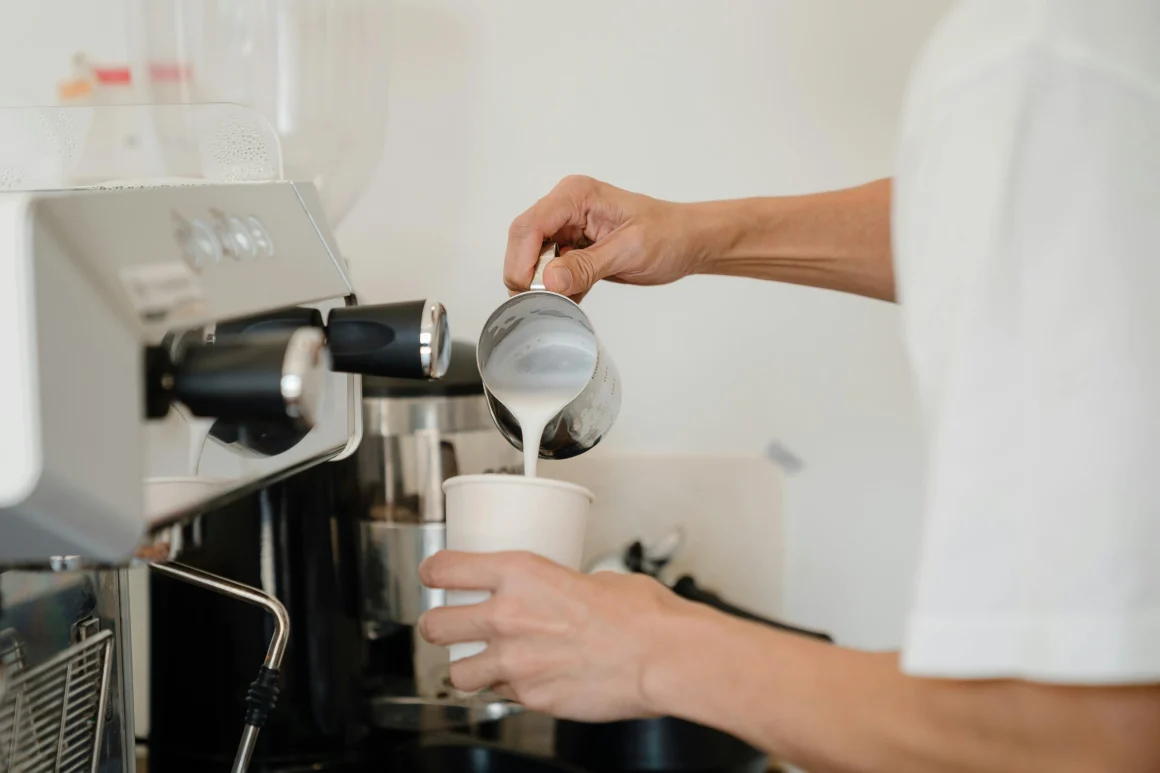
Then I looked at what happens in real shops. One day you get an amazing flat white. The next day the milk is burnt because the team is slammed and someone is tired. That is not craft. That is just inconsistency under pressure.
So today I look at automation much more practically. If a tool removes friction, keeps quality steady, and gives the barista time to connect with customers, I think it can be a very good investment. The goal is simple: deliver on quality, but also connection quality.
This matters even more in shops with high foot traffic. If your team is stressed, customers feel it. A calmer barista usually gives a better experience. A remembered order, a short conversation, and a warm room still matter hugely. That is one of the main reasons people become regulars.
I would not buy automation for theatre. A lot of founders want the newest equipment because it looks advanced. You need to know exactly what problem the machine is solving. Is it saving time during rush hour? Is it fixing a consistency issue? Is it helping a small team keep up without burning out?
And this is the part many founders skip. You need to know the floor before you automate the floor. If you have never worked the bar, you will make expensive guesses about where the bottlenecks are.
Trend 2: The specialty obsession is real, but profit still has to lead
This is the trend I think a lot of first-time founders underestimate.
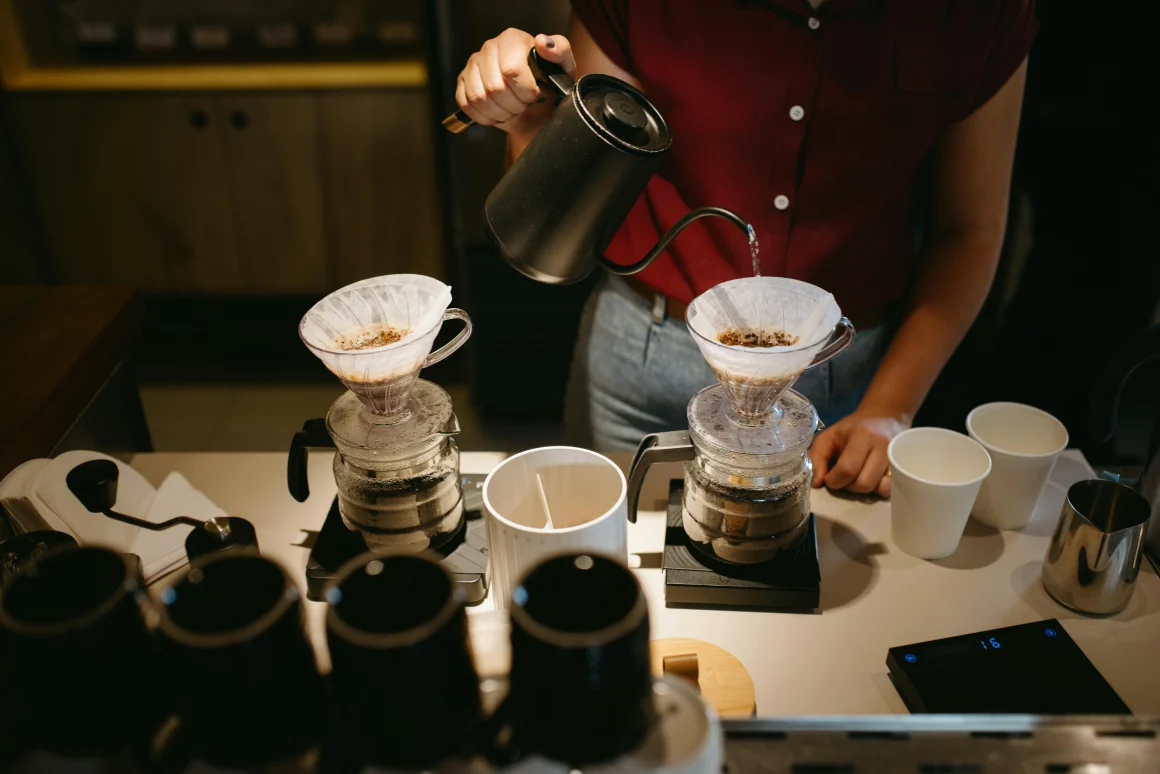
Fifteen years ago, great specialty coffee could still feel new in many places. Today, people know they can get specialty coffee pretty much anywhere. So switching is easy. Regulars are harder to get, especially in cities.
So yes, your coffee has to be good. Very good. But that alone will not keep you in business.
You need to be brutally honest about location, rent, staffing, and daily volume. If the space is not adapted to what you want to do, if foot traffic is weak, and if you have no clue how to bring people there, maybe you should not open there. It is much cheaper to admit that before the lease is signed.
I often think in terms of reversible and irreversible decisions. A big build-out and a heavy lease are hard to reverse. A smaller concept, a hole in the wall, or a test format inside another business gives you much more room to learn. Start small enough that you can learn without breaking yourself.
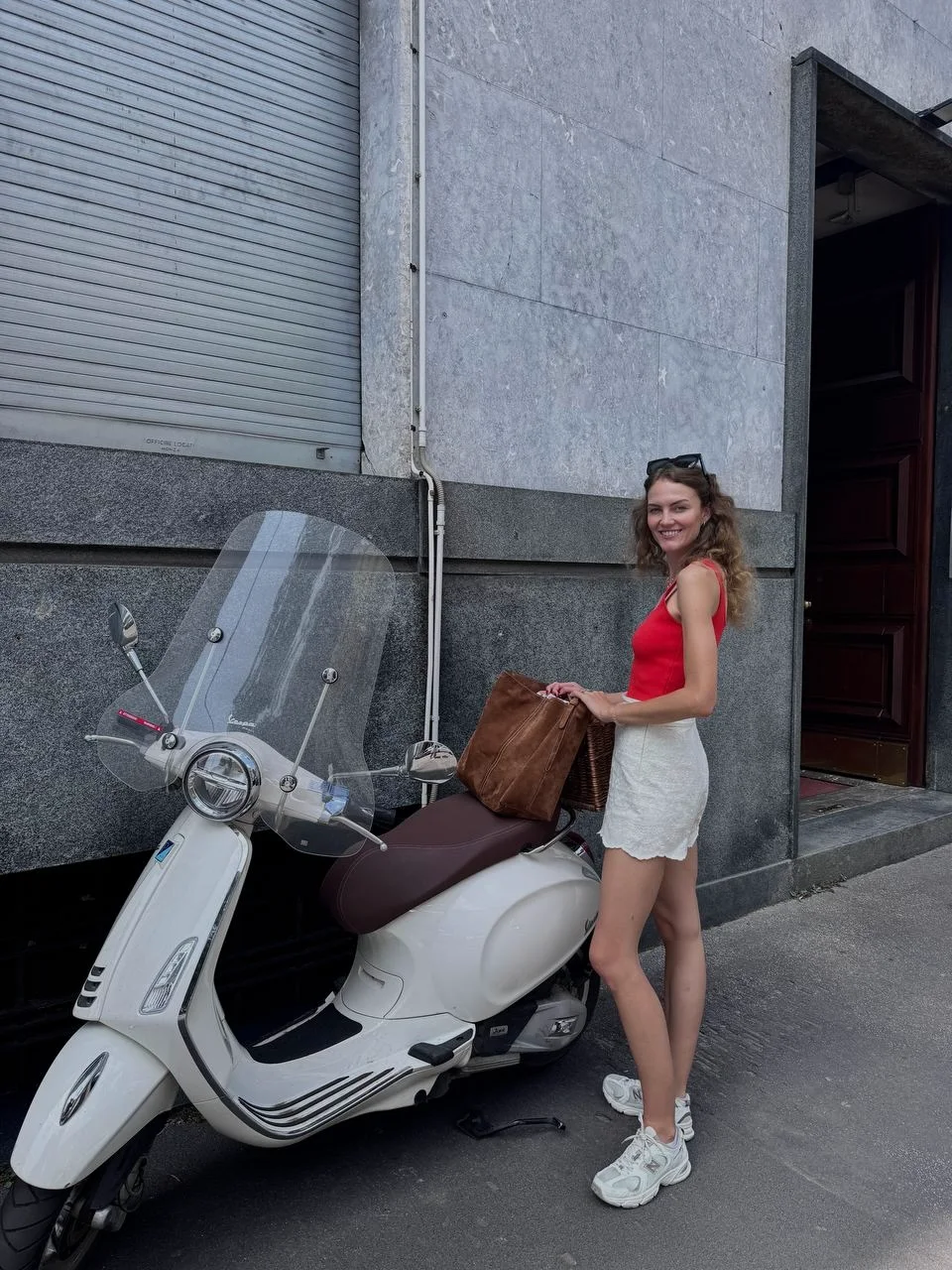
Rent deserves special attention. One retail lease guide puts healthy cafe rent at about 6% to 8% of gross sales. Once you drift toward 10%, life gets tight very quickly. Coffee shops do not have big margins. High rent can quietly kill a good concept.
I also think you need to choose your ambition early. Some people want one neighborhood cafe and want to run it for years. I genuinely respect that. Others want to build something repeatable and open several locations.
Both are valid. But you cannot scale if you have not planned to scale. A lot of the operators winning this game are either VC-backed or entering with a very clear multi-location plan. You do not need VC to start. You do need that same clarity about format, costs, and pace.
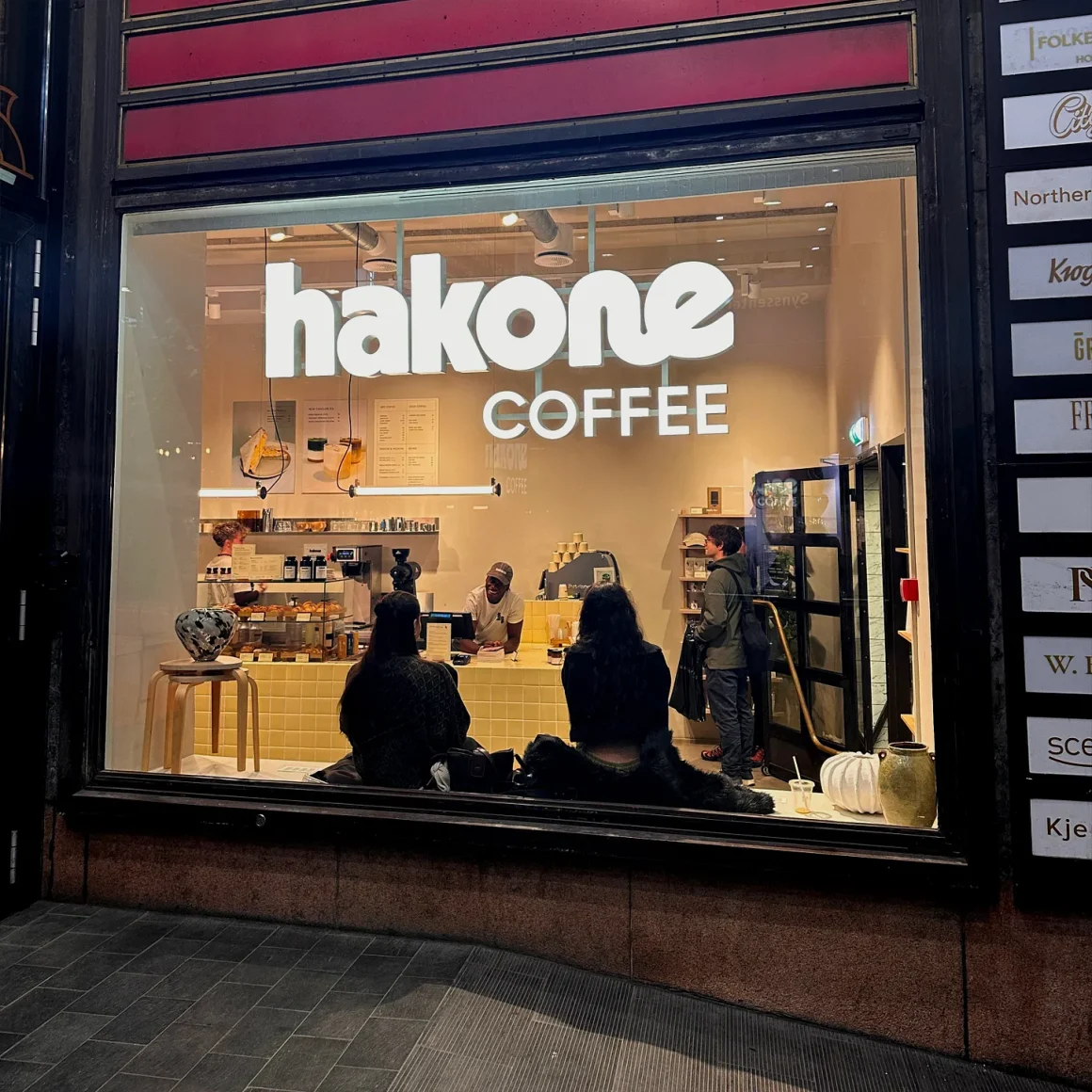
Hakone Coffee in Oslo is one of the clearest examples I have seen. They opened four stores within a year because the locations were chosen carefully and the design was streamlined enough to repeat. That kind of planning is what scaling actually looks like.
And even if you only want one shop, build it so it is healthy. One day you may want to sell, step back, or do something else. A cafe that is barely making it is very hard to pass on.
Trend 3: Robusta is back, and founders should pay attention
I think the old Robusta snobbery is getting tired.
For a long time, a lot of people in specialty coffee treated Robusta like the enemy. That makes less and less sense to me now. There is real curiosity in the market. People have developed their palates. They are more open than many founders assume.
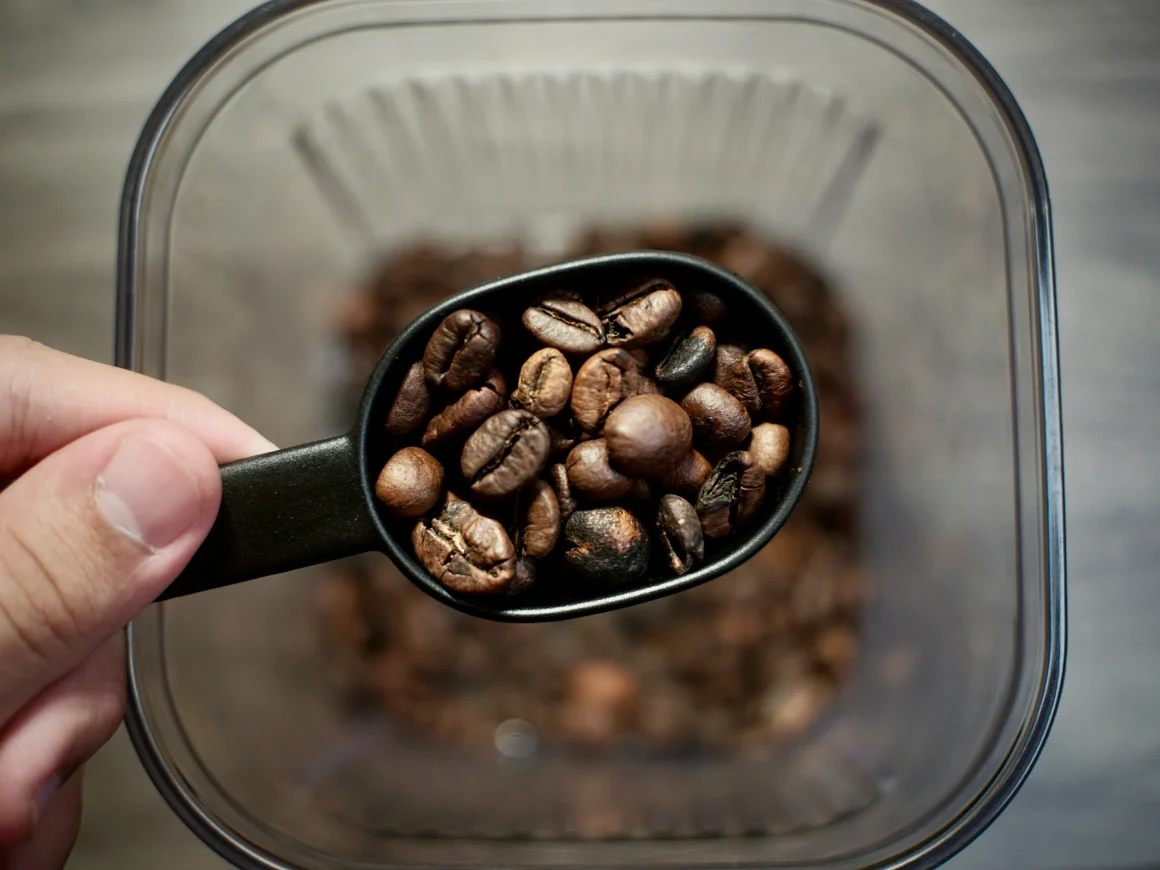
There is also a hard business reason to pay attention. The FAO reported that global coffee prices jumped 38.8% in 2024. By late 2024, Robusta prices were about 70% higher year on year. Coffee buying is getting more volatile, and the old assumptions around bean economics are shifting fast.
The supply chain itself is fragile. Roughly 80% of the world’s coffee is produced by smallholder farmers. When climate events or trade disruptions hit, the effects move quickly.
So if you are opening in 2026, treat bean strategy as business strategy. Robusta can help protect margins. It can also open up a broader drinks conversation. Vietnamese coffee culture has shown for a long time that Robusta can sit inside drinks people genuinely love. And there are some incredible Robusta coffees out there now.
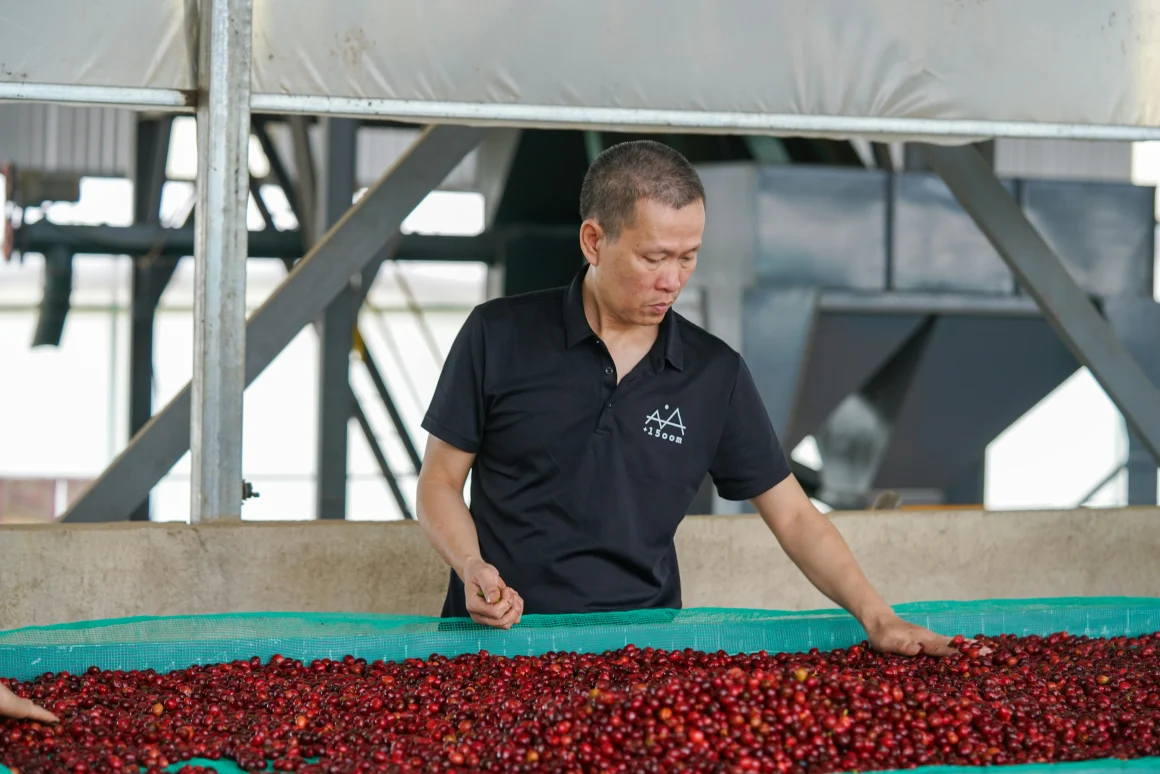
I would not sneak it onto a menu like a reason to make more money, or hide it in a crazy drink where its flavour would be dismissed. I would be intentional. Know what your regulars love. Notice what they are curious about. Talk to the people who come back for coffee and nothing else. Then build from there.
Trend 4: Asian cafe culture is pushing the market toward smaller, cozier spaces
If you are in North America, this is one thing I would steal right now.
In Paris, I have seen a clear rise in very small, cozy cafes. A lot of that is tied to the influence of Asian cafe culture. The spaces are tighter. The design is more intentional. The whole experience feels more intimate.
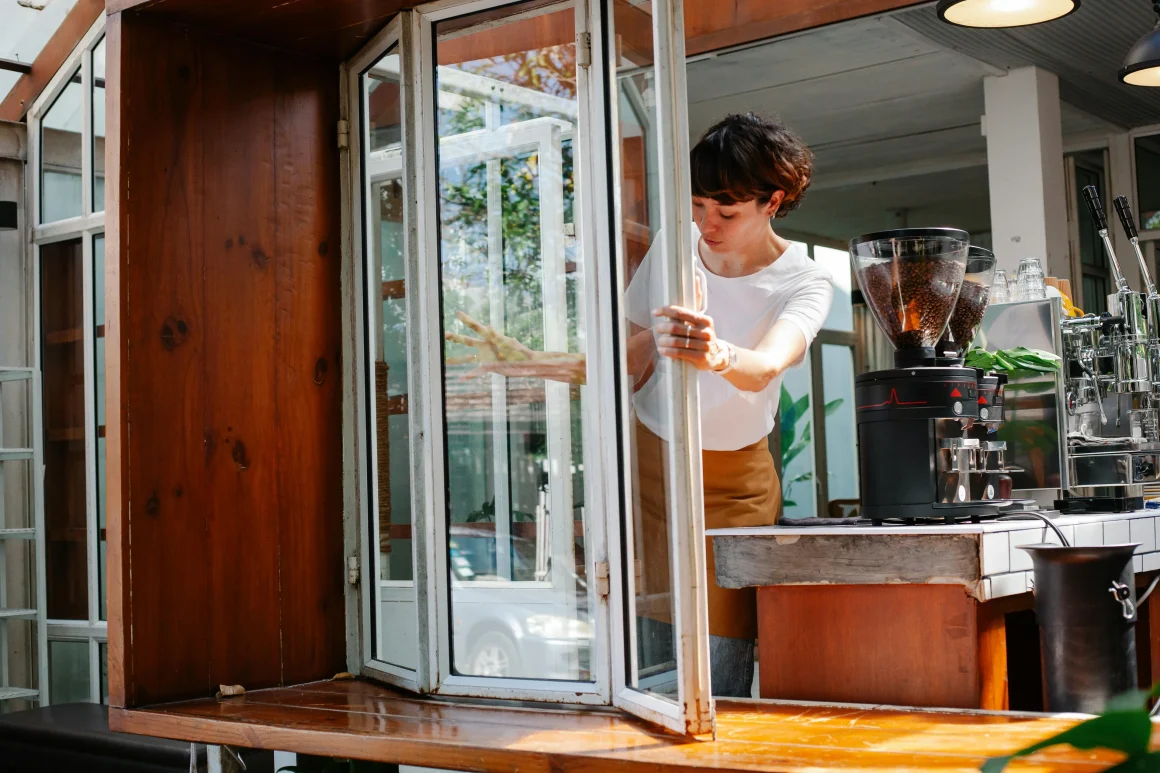
I like this trend because it solves several problems at once. A smaller space usually means less rent pressure, fewer staffing headaches, and a clearer service flow. It also forces you to get specific. You cannot hide behind a huge room and a vague concept.
This is where a lot of founders get trapped by ego. They want the big flagship before they have proof that people care. I would much rather see you run a tiny room brilliantly. A small, well-edited cafe can build identity much faster than a larger one with too many ideas.
And if your long-term goal is growth, small formats are easier to repeat. Again, this comes back to planning. A compact footprint often gives you a much more realistic path to a second or third location.
Trend 5: The rise of non-coffee alternatives is really about resilience
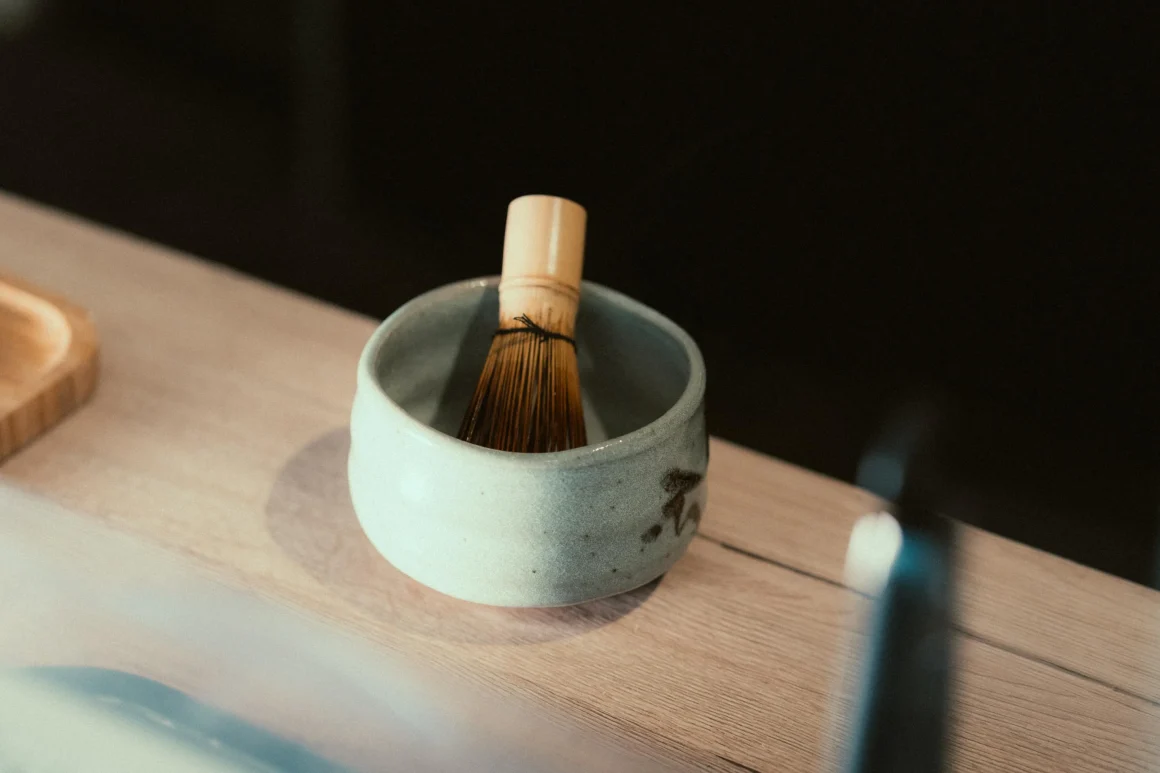
I do not think this trend is only about adding another drink to the menu. I think it is about resilience.
The strongest cafes I am watching are not relying only on coffee sales. Some are opening inside beauty salons. Some sit inside clothing stores. Some are built from the start as concept spaces with two different revenue streams. That can sound risky, and in some cases it is. But it can also reduce risk because not everything depends on selling one more flat white.
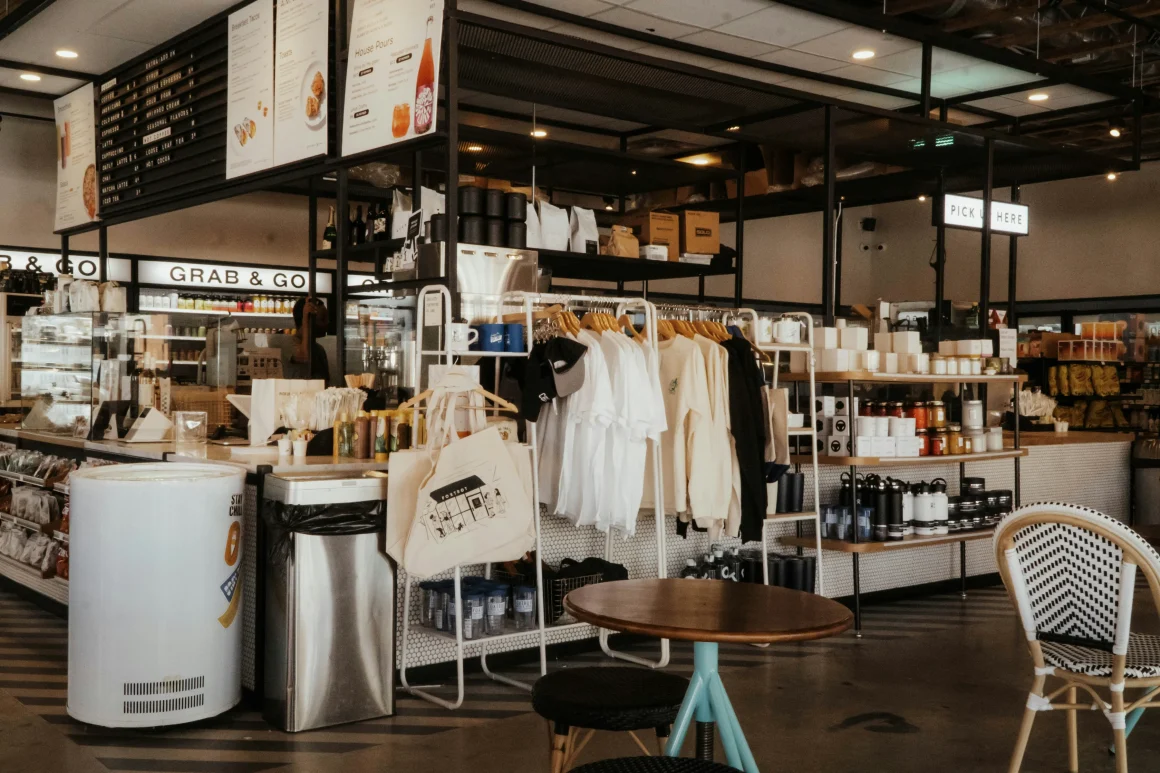
I have always believed in portfolio careers. Depending on one employer is risky. In 2026, I would say the same about retail. A cafe needs a portfolio mindset too.
That does not mean you should cram 10 business ideas into one small space. Boundaries matter. At The Blend, we served breakfast and lunch, and catered to offices around our café, but I deliberately did not go into dinner. I wanted enough range to bring people in and create revenue, but not so much complexity that the operation collapsed.
That is the balance to find now. If someone comes in and does not want coffee, what else makes sense for them? If a group walks in with mixed preferences, can your menu still work? If coffee costs move against you again, do you have any cushion at all?
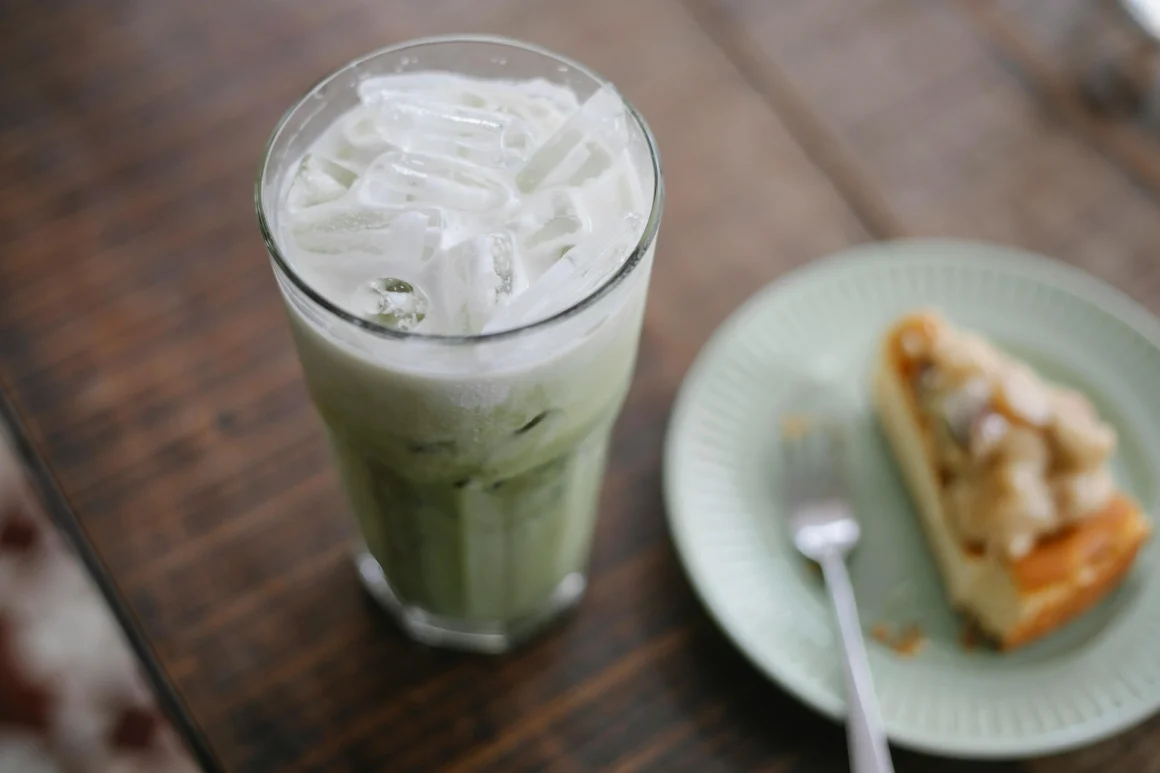
The answer might be food. It might be a tight non-coffee menu. It might be a concept partnership with another retail business. I do not think there is one perfect answer. I do think a coffee-only shop is getting harder to defend.
So how would I actually start a coffee shop in 2026?
- Do the boring work before the branding. I would start with the smallest version of the idea that still lets me test whether people care. I would spend time in the neighborhood at different hours and watch what happens. Morning flow, lunch, weekends, nearby offices, nearby schools, nearby retail. Then I would ask a very boring but very important question: can this location realistically pay for itself?
- After that, I would get painfully clear on fixed costs. Rent first. Equipment next. Labor after that. Founders often obsess over branding before they understand their cost base. I love branding. I also know branding cannot rescue a broken model.
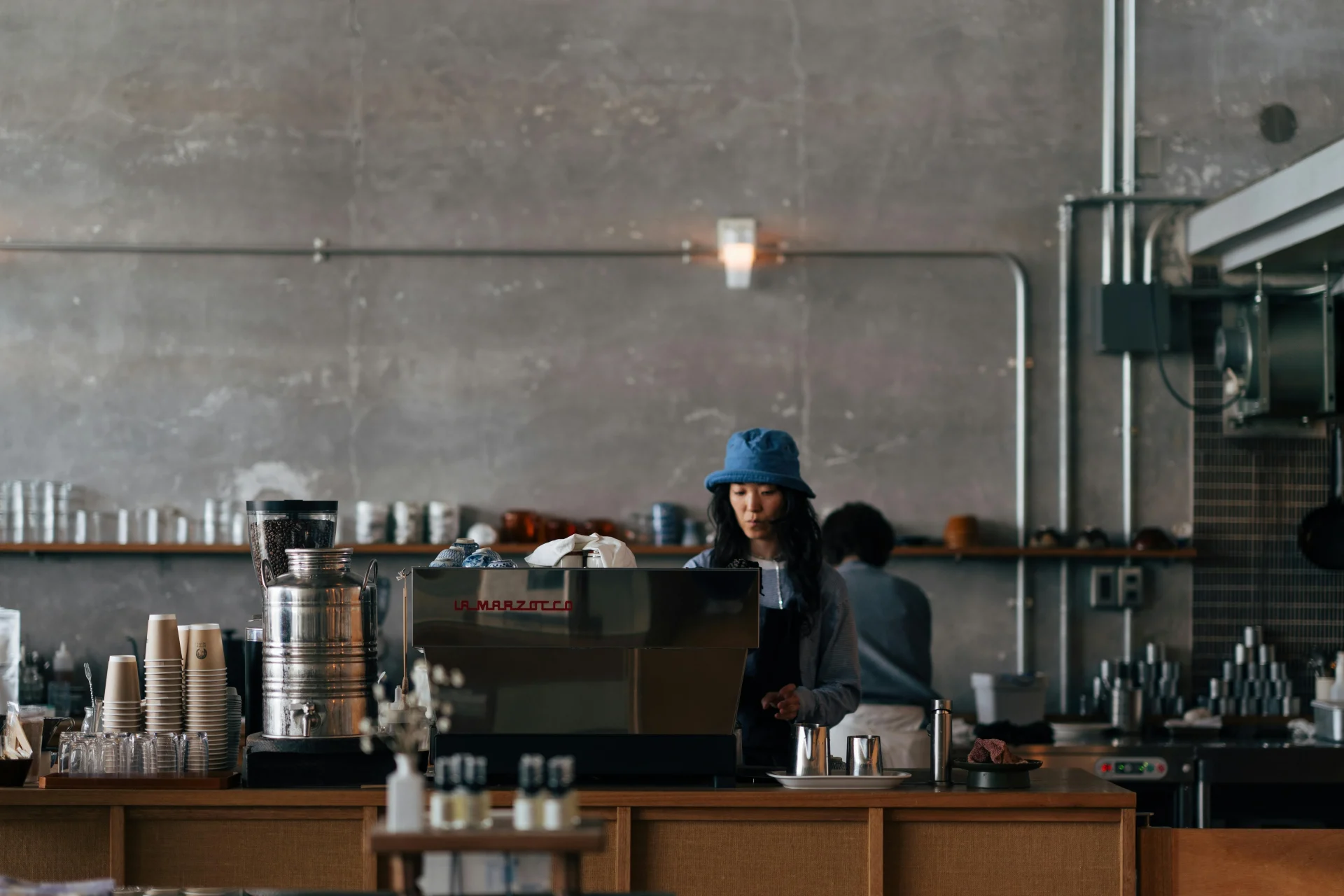
- I would also get on the floor early. If I could work shifts, shadow a team, or train behind a machine before opening, I would. The biggest bottleneck in my own cafe was staff turnover. Cafe work often pays modestly, customer expectations are high, and tips do not always close the gap. Teaching myself to make flat whites, lattes, and our regulars’ favorite drinks changed the way I built the operation.
I see this mindset all the time. We want to create the systems for everything to be highly efficient, but we do not want to do the work. Your systems cannot work if you have not gone through them yourself.
I would negotiate hard with suppliers too. I saved money at The Blend because roasters supplied their own grinders. That was a practical decision, and it shaped the whole concept. New founders often assume every major cost is fixed. Very often, it is not.
Most of all, I would decide what game I am playing.
- Am I building one beloved neighborhood shop?
- Am I building a format that could become three or four locations?
- Am I opening a coffee-only shop, or something with a second revenue stream from day one?
If you do not answer those questions early, you end up making random decisions that do not support each other.
A lot of people freeze because they compare their first idea to a polished multi-location brand. Forget looking big at the start. Build something coherent, healthy, and real.
Coffee still has room for new founders. I really believe that. But the founders who win in 2026 will be the ones who stay creative with money, keep fixed costs under control, know when to automate, know when to stay small, and know how to widen the revenue model without losing the soul of the place.
Open the shop if you mean it. Just do the unglamorous work first. That is usually where the good ideas prove themselves.
FAQs
Is the specialty coffee market too saturated for a new founder?
It is crowded, but not closed. By mid-2025, 46% of U.S. adults drank specialty coffee daily, officially surpassing traditional coffee. You no longer win by simply introducing specialty beans. You win through tighter operations, authentic community connection, and flawless daily execution.
How can I test my cafe idea without quitting my 9-to-5 job?
Start with reversible decisions. Do not sign a 10-year lease immediately. Try a weekend pop-up, a tiny cart, or a tight format inside an existing retail store. This allows you to learn the actual mechanics of serving customers and iterate your concept without breaking yourself financially.
How much of my revenue should go toward coffee shop rent?
Keep it fiercely low. Industry guidance suggests your rent should sit between 6% and 8% of gross sales. Once you drift toward 10%, life gets incredibly tight. High rent will quietly kill a great concept, so prioritize a smaller, efficient footprint over unnecessary square footage.
Can a coffee shop survive the recent spike in bean prices?
Yes, but you must be strategic. In 2024, global coffee prices jumped 38.8%. Surviving this volatility requires widening your revenue model with non-coffee items, negotiating creatively with suppliers, and intentionally exploring high-quality Robusta to protect margins while maintaining a great cup.
Do I need to raise venture capital to start a coffee shop?
Absolutely not. Many aspiring founders get paralyzed comparing their first idea to a polished, VC-backed chain. Start small and focus on organic traction. By keeping fixed costs low and getting scrappy with your initial build-out, you can launch a healthy, independent business without answering to investors.

Julie Hanell is a EU based sales & copywriter consultant for coffee businesses and a creator of The Coffee Dispatch, a publication born from her obsession with how specialty coffee culture reflects community, identity, and creative energy. A serial entrepreneur who successfully exited her first cafe at age 22, Julie helps coffee & hospitality companies generate revenue through copy & sales systems. She specializes in GTM strategies for companies in the coffee industry.