Written by Adam Gellert
I have spent 23 years matching people with companies that change lives. More than a thousand hires later, one fact still rules my day: people join people. Not logos, not job descriptions – people.
But here we are, bombarded by headlines that promise “one-click hiring” and “fully automated HR.” Founders call me every week to ask if a piece of software can shoulder their entire talent strategy.
My answer never changes.
Yes, an AI agent can rip the busywork out of recruiting. No, it cannot replace the human moments that build trust, spark loyalty, and keep your best employees from wandering off to the next shiny startup.
If you run a company with 10, 50, or 200 people, you live and die by those moments. You also fight a daily war against time.
So let’s solve both problems at once.
Why the Old Hiring Playbook Breaks Modern Companies
Open LinkedIn, type “backend engineer,” and watch the counter explode. You will see hundreds of thousands of profiles in under three seconds. That flood looks exciting until you need to pick five who can ship production code next month. The internet multiplied your talent pool and hid the gems under a flood of noise.
Think about what an early-stage founder’s life looks like. They spend mornings talking to customers, afternoons raising capital, and evenings fixing whatever broke overnight. Add five open roles to that schedule and something gives: product velocity, customer support, or health.
Hiring should feel like an investment in growth. Instead, it feels like pulling teeth.
The average time to fill a position is around 42 days, and every vacant seat bleeds cash. This isn’t minor – it’s a survival risk for the business.
In a small company, a month without a salesperson can crush a quarter’s revenue targets. A month without a senior engineer can stall a funding round.
So yes, the traditional “post and pray” system is broken. But the fix is not to swap every recruiter for a chatbot. The fix is to separate grunt work from human work, then let each side shine.
What an AI Agent for HR Actually Is
Tech marketing confuses this topic, so let’s strip it back. An AI agent is software that can take a goal, break it into tasks, execute those tasks, and learn from the result.
AI agents for HR can crawl public data, scrape contact details, draft emails, follow up, score resumes, book calendars, push reminders, and flag anomalies. Most connect to your applicant-tracking system, email, and Slack in a few clicks.
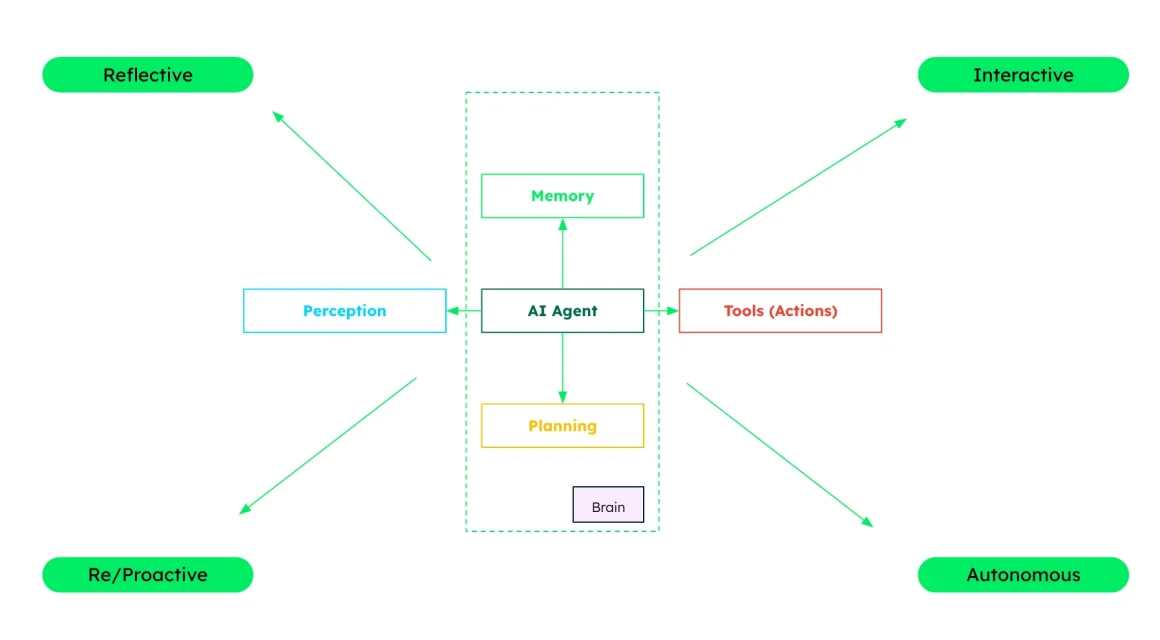
They do not, however, understand nuance the way an experienced recruiter does. They cannot spot the quiet pride in a candidate’s voice when she describes a past win. They cannot sense a flash of hesitation when a founder lowballs salary. The best ones fake empathy, but faking only works so long.
My rule is simple: automate tasks, never relationships.
The 80/20 Rule of Recruiting Automation
Over 15 years of hands-on work with startups and SMBs, I keep returning to the same division of labor. AI handles pattern recognition and repetition. Humans handle trust, attitude, and grit – the essential factors that decide whether a hire sticks past the honeymoon period.

Here’s when to turn the dial toward automation and when to keep a real person in the loop.
| Recruiting Stage | Automation Level | Why |
| Sourcing & List Building | ✅ Fully Automate | Pattern recognition at scale – AI can scan 50K profiles overnight. No emotional intelligence needed. |
| Outbound Messaging | ⚖️ Hybrid Approach | AI drafts and personalizes. Human reviews for brand voice (30-second quality check before sending). |
| Scheduling | ✅ Fully Automate | Eliminates calendar ping-pong. Reclaim hours per week with zero human intervention. |
| First-Pass Screening | ⚖️ High-Volume Only | Automate knockout questions for delivery drivers, customer service, etc. Senior roles need human first contact. |
| Culture & Alignment Interviews | 🧡 100% Human | Builds trust, explains mission, reads body language. Core of your employer brand – never automate. |
| Offer Negotiation | ⚖️ Hybrid Approach | AI pulls market data and models equity. Human delivers the conversation with empathy and confidence. |
Keep this division clear: you’ll maintain trust where it counts and save time where it doesn’t.
Culture Still Beats Compensation

This finding changes the conversation: 77% of candidates say they measure a company’s culture before they apply, and more than half value culture over salary according to Glassdoor. If culture matters more than money for most workers, imagine how heavily it factors for the top 5% of performers.
For clarity, you still need to pay candidates what they’re worth. But when offers are comparable, culture becomes the deciding factor. Candidates will be more likely to choose your company over another because you’re delivering what matters most to them.
Culture is delivered one conversation at a time. It is felt when an interviewer remembers a candidate’s child’s name or follows up quickly after an onsite. I have watched founders double a candidate’s enthusiasm just by texting, “Let me know how the test went – rooting for you.” No algorithm will ever replicate that authenticity.
The Vacancy Cost Equation – Why Speed Pays
Every unfilled seat burns cash. Let’s run an example.
Your SaaS firm sells subscriptions worth $50K in new annual recurring revenue each month. Your account executive leaves. You need a replacement. If you follow the average hiring timeline of 3 to 4 weeks, you lose 50 grand. Deploy a smart sourcing agent, cut two weeks, and you recover $25K. The tool costs $800 a month. That is a 31:1 return and we have not even priced in morale.
These numbers mirror broader research.
- 89% of HR teams that deploy AI in recruiting report time saved or efficiency gains.
- 36% say it trims direct hiring costs.
- 24% see better candidate identification.
Each metric comes from the latest SHRM Talent Trends. In other words, you are not betting on fringe tech. You are catching up to the pack.
The Candidate Experience Litmus Test
Would you accept a job offer if every touchpoint came from a bot?

Think it through.
A faceless email invites you to an interview. A synthetic voice asks behavioral questions. A PDF appears later with numbers. No human ever says, “How are you feeling about the process?”
Most high performers would run.
I once placed a senior engineer at a fintech firm. My colleague Abby guided him through each step, clarified expectations, and shared honest feedback. Five years later he still raves about the experience. His words: “Abby truly wanted the best for her clients.”
That is the imprint you need. Candidates forget statistics, but they remember care.
Building Your AI-Augmented Stack in 30 Days
Many founders freeze because the tooling landscape looks chaotic. It changes weekly. Relax. You do not need a PhD or a million-dollar budget. You need focus.

Week 1: Map the Funnel
Grab a whiteboard. List every hiring step from “define need” to “first day.” Mark any task that feels repetitive or data heavy. Those are your automation targets. Keep the red pen for moments that require judgment, empathy, or storytelling.
Week 2: Select Lightweight Tools
For candidate sourcing, use HIPO, it’s free! For outreach, try a leaner email engine. For scheduling, connect Calendly. For technical assessments, try different platforms that offer tests. Start on free trials. If integration drags past 2 hours, move on. Great tools onboard themselves.

Week 3: Pilot One Role
Pick a live vacancy. Connect your tools to your applicant-tracking system – Workable, Lever, Ashby, whatever you own. Push the sourcing agent first. Measure how many hours you saved compared with last month. Then layer the email engine. Study reply rates. Finally, switch on automated scheduling. By the end of week 3 you should see faster first interviews.
Week 4: Insert Human Quality Checks
Set a simple guardrail. A candidate never touches two automated steps in a row without human intervention.
Example: AI sends the first email, you vet the reply and decide next steps. AI proposes calendar slots, you confirm agenda. AI sends interview prep, you run the call. This keeps the process personal without stealing your afternoon.
Commit to a quick retro at the end of each month. Did candidates feel guided? Did hiring managers regain time? If not, tweak or swap tools.
Beyond Recruiting: Where HR AI Agents Shine

Hiring usually grabs the headlines, but HR carries a mountain of other chores. AI agents can help there too. Think benefits, shift scheduling, onboarding, and performance nudges.
Benefits Administration
Imagine you just joined as HR lead at a fifty-person company. You suspect employees ignore half their perks. A data agent can pull usage logs from your provider, spot underused programs, draft a pulse survey, and tee up slides for your next all-hands. You walk in looking like a hero, without staying up till 2 a.m. crunching spreadsheets.
Shift Scheduling
Or take the example of a manufacturing plant that runs day and night. Workers swap shifts, call in sick, and request overtime. A scheduling AI agent manages the situation automatically, texts confirmations, and updates payroll feeds. Fewer errors, happier staff.
Performance Management
Performance is another win. Agents can watch OKR dashboards, flag stalled goals, and suggest training modules. Managers still coach face to face, but they start from sharper data.
The pattern never changes. When a task is repetitive, data heavy, and low on emotion, put a machine between you and that work.
Common Mistakes When Deploying an AI Agent for HR
Automation tempts people to overreach. Here are the mistakes I see most, plus a fix for each.
Spray-and-pray outreach
Because an AI agent can hit 5000 inboxes, some teams let it. Quality sinks, brand reputation tanks, top talent blocks you. Remedy: set daily send caps and personalize the first two lines manually.
Over-automating senior roles
If the hire will manage a P&L, recruit other humans, or pitch investors, keep the early steps warm and personal.
Data-privacy gaps
Scraping tools can violate GDPR or platform terms. Vet vendors. Read the fine print.
One-size-fits-all assessments
Junior developers might tolerate a timed coding test. A twenty-year veteran will not. Tailor assessments to career stage.
Set-it-and-forget-it syndrome
Markets shift, hiring stages evolve. Block one hour every quarter to audit the funnel.
The Future of AI Agents for HR – Why This Is the Worst It Will Ever Be
We sit at the early edge of AI agents. They struggle with pronouns, they mis-classify resumes, they ask awkward follow-ups. Two years from now, sourcing will feel instant and outreach will read like your best recruiter on caffeine. Five years from now, background checks, reference calls, and pay-equity audits may run in seconds.
Will humans still matter? Absolutely!
As automation handles more paperwork, the relative value of genuine empathy skyrockets. The founder who can tell a powerful origin story, look a candidate in the eye, and map a career path will win every bidding war.
Automation sets a higher baseline. The human touch still wins.
That belief guides everything we do at Linkus Group. Our clients stay because they get both speed and soul. They know we “take the pain out of recruiting,” then stick around to celebrate anniversaries. The math works, and the relationships work even better.
Humans Backed by Tech Win Every Time

You now hold the blueprint. Far from a futuristic perk, AI is simply table stakes today. If you wait, you fall behind. If you rush and strip out humanity, you still lose. The edge lives in balance.
At Linkus Group we walk that line daily. We blend a network of 35,000 passive, off-market candidates with smart matching algorithms. We automate the grind yet stay personal enough that candidates quote us five years after placement. The proof hides in retention numbers – a 95% stick rate across hundreds of startups and SMBs.
If you want the same leverage, reach out. We will share playbooks, demo tools, and tell you straight when a human should pick up the phone. Because in the end HR still stands for “human resources,” and that first word is never optional.
FAQs
How do AI agents for HR integrate with my existing Applicant Tracking System (ATS)?
Most modern AI agents for HR are built with integration in mind. They typically use APIs to connect directly to popular ATS platforms like Lever, Greenhouse, or Workable. This allows for seamless data flow, ensuring candidate profiles and communication logs are automatically updated in your system of record.
Can AI agents for HR introduce bias into the hiring process?
Yes, poorly designed AI agents for HR can perpetuate historical biases found in hiring data. To mitigate this risk, choose vendors who are transparent about their algorithms and perform regular bias audits. Focus on tools that screen for objective skills and qualifications rather than subjective traits.
What is the typical cost for AI agents for HR, and how should a startup budget for them?
Pricing for AI agents for HR usually follows a subscription model based on user seats or hiring volume, from a few hundred to several thousand dollars monthly. Many recruiters already invest in premium AI agents across sourcing, screening, and scheduling. Partnering with them gives you access to this full stack without the cumulative costs or integration headaches.
Who should lead the implementation of AI recruiting tools in a small business?
In a startup or SMB, the implementation of AI agents for HR is often led by a Founder, Head of People, or a tech-savvy Operations Manager. The ideal person understands both the company’s hiring goals and its operational workflow, ensuring the tool is adopted effectively without disrupting the team.
How do AI agents for HR ensure the security and privacy of candidate data?
Reputable AI agents for HR prioritize data security through encryption, access controls, and compliance with regulations like GDPR and CCPA. Before purchasing, always review a vendor’s security policies and data handling protocols to ensure they meet your standards for protecting sensitive candidate information.
Are AI agents for HR scalable as my company grows?
Yes, most AI agents for HR are designed to scale with your business. For a 20-person startup, a tool might automate scheduling and initial outreach. As you grow to 200 employees, you can expand its use to manage higher applicant volumes, conduct initial screenings, and provide deeper analytics on your funnel.
How much training does my team need to effectively use AI agents for HR?
Most modern AI recruiting tools are designed for intuitive use, requiring minimal training – often just a few hours of onboarding. The best platforms offer guided setup and strong customer support. The focus is less on technical training and more on adapting your workflow to leverage automation effectively.
What key features should I look for when choosing an AI recruiting agent for my startup?
When selecting an AI agent for your startup, prioritize seamless integration with your existing ATS, strong data privacy compliance, and a user-friendly interface. Look for features that solve your biggest bottlenecks, whether it’s sourcing, scheduling, or initial candidate communication and screening.
Can using AI agents for HR positively impact my company’s employer brand?
Absolutely. Using AI agents for HR can enhance your employer brand by ensuring prompt, consistent communication. This is critical, as a recent report found 77% of candidates have been ghosted by employers, a practice automation helps prevent.
Beyond sourcing, what are some high-impact tasks AI agents can automate for a lean HR team?
Beyond sourcing, AI agents for HR can automate drafting job descriptions, screening resumes for key qualifications, and sending pre-assessment tests. In fact, 44% of organizations now use AI to screen resumes, freeing up your team for more strategic, high-touch interactions.
About the Author

Adam Gellert is a passionate entrepreneur and recruitment expert on a mission to revolutionize hiring. As Founder and CEO of Hipo, he’s reshaping the job application process by connecting pre-vetted, diverse candidates with companies based on mutual interest. With extensive experience in team building and a deep understanding of organizational growth, Adam is dedicated to helping startups and SMBs find their most passionate teammates. His innovative approach and commitment to improving candidate experience have made him a respected figure in the tech and startup community.