Written by Lidia Vijga
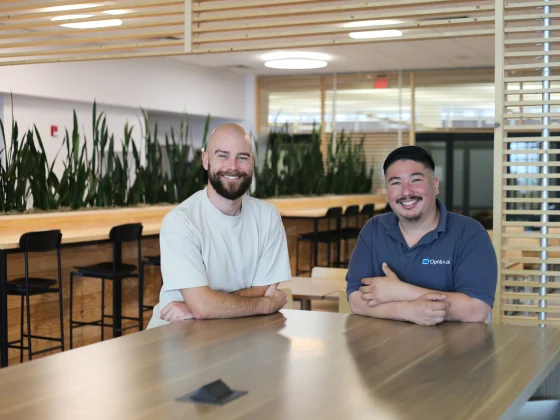
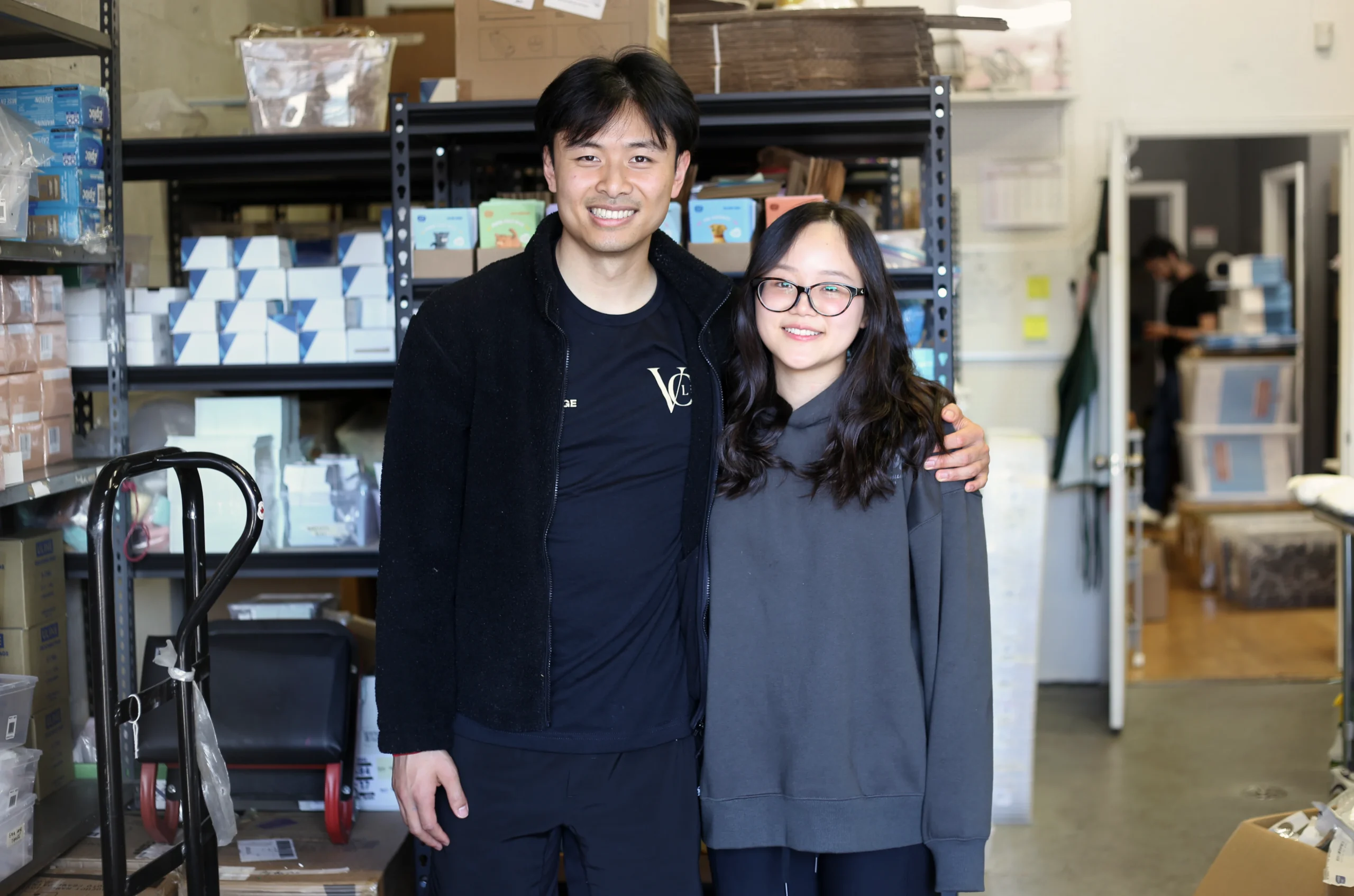
Most days I’m knee-deep in SaaS demos, churn dashboards, and the usual founder routine. Still, the most useful case study I learned this year has no AI prompt, no blockchain ledger, and not a single line of production code. My biggest learning came from Carol Zou and Matthew Wong, founders of Claymoo. A business totally outside of tech, but one that holds huge takeaways for us, the tech founders. And yes, love prevails again once more (I will explain soon).
How Claymoo Started
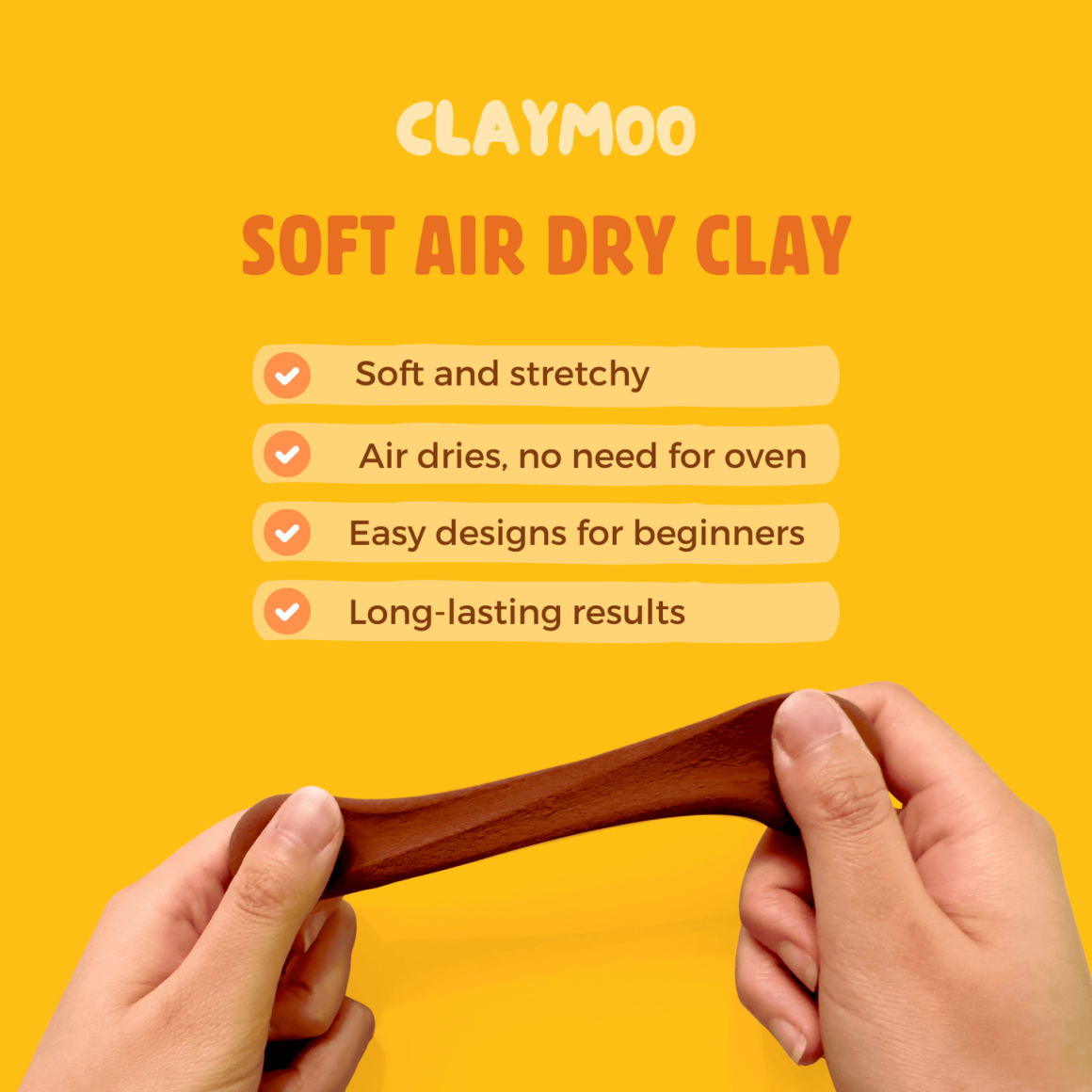
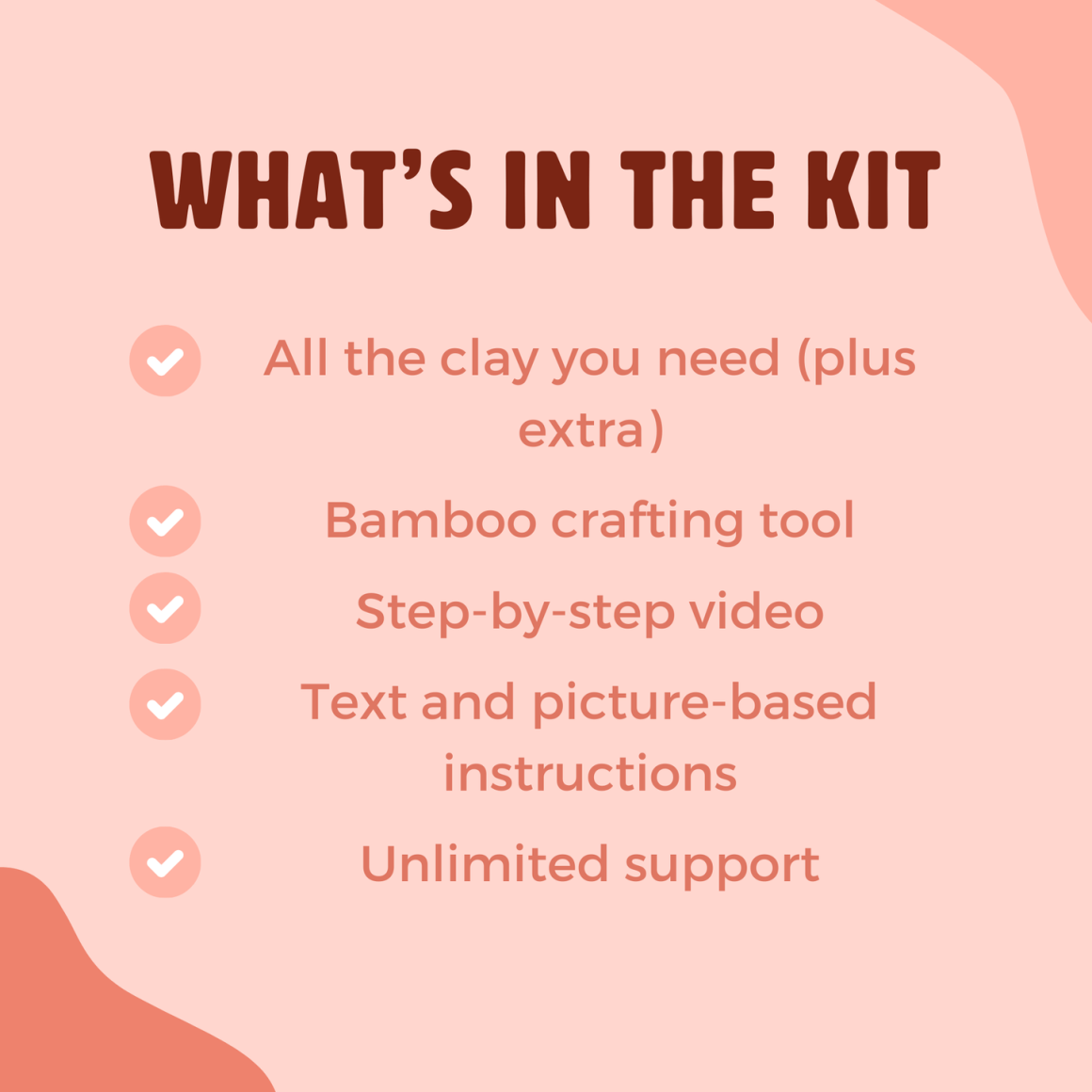
The idea for Claymoo hit Carol when she discovered air dry foam clay and realized two things: it requires no baking and it’s very soothing. She also spotted a gap in the market – inconsistent materials and almost no how-to guides. So her mission became making clay crafting more accessible and relaxing for everyday people. She created foam clay kits for cozy nights in, giving a creative vent through guided activities. Each Claymoo kit includes all materials, upgraded tools, and easy-to-follow tutorials to make sure customers can create, master techniques, and finish genuinely rewarding projects.


She branded the name “Claymoo” because the word sounded playful. It also stood out in a market dominated by forgettable “Craft Box” clones. At that point she controlled the entire operation from her parents’ basement – packing, labeling, customer service. Nights blurred into mornings, but she felt traction building. She just needed more oxygen.
@claymoo.co Can’t believe it’s been a year!! #clayart #claykit #polymerclay #crafting #DIYProjects #diyideas #craftidea #clayidea #giftidea #diykit #softairdryclay #foamclay #diykit #learntosculpt #claymoo ♬ BIRDS OF A FEATHER – Billie Eilish
Why Matthew Joined Carol
While Carol was building up her clay kit business, Matthew was hitting a wall in his career.
On paper he looked golden: Geotab engineer, then CTO of a fast-scaling SaaS, then a small exit with a note-taking app. But off paper he was back in his parents’ house burning through savings and struggling with the hard truth: as a one-person founder with a single product, he hasn’t learned how to scale a business beyond himself.
His answer was to walk away from code and start shipping foam clay craft kits. The move looks wild until you know the real reasons. That’s why I’m telling this story. I want early-stage founders, especially the ones stuck to their keyboards, to see how growth could hide on the other side of the tech world.
For Matthew, the ceiling wasn’t technical. It was managerial. He could refactor a codebase in his sleep, but hiring, supply chain, cash-flow forecasting – those looked like foreign languages to him. He could either stay where he was, keep writing code, and hope the next project magically solved the gap. Or he could chase the gap head-on.
He chose the second path.
How Claymoo achieved a 10x growth

Carol and Matthew grew Claymoo from “cute Etsy side hustle” to a real company that ships thousands of kits a month. They’ve already sold 100,000 kits directly to consumers, and this is just the start. If you have a company, regardless of industry, you need to know their approach. These tips apply to other ventures too.
Hard-Won Lessons Every Founder Should Steal
Founders love bullet lists – I’m guilty too. So, I’ll convert my key lessons from Carol and Matthew into direct points.
Do a skill audit
Write down the tasks you can finish before coffee gets cold. Those are your comfort skills. Now list the tasks you keep postponing. Those are your growth skills. Matthew’s growth path involved hiring, supply chain issues, and international shipping. Claymoo made him work on them every single day.

Visibility is a skill you build, not a trait you’re born with.
Carol wasn’t a natural content creator, and that’s what makes her transformation so impressive. She pushed past the awkwardness of pointing a camera at herself because she understood something crucial: in a crowded market, the best product loses if nobody sees it. So she showed up on TikTok anyway, posted consistently, and taught herself to connect through short videos. Today she has over 230K followers across TikTok and Instagram, and her content drives most of their sales. That takes guts most founders never find.
@claymoo.co Here’s a little glimpse into what life looks like as a small business owner, two years after opening our shop. I’ve honestly lost count of how many new roles we’ve had to take on, but I still find it really fun and so rewarding. 😊✨ November has been our busiest month yet. It’s been crazy, with fires to put out left and right, but also filled with some of our most exciting moments. ❤️ I can’t wait to share more of my journey in the upcoming TikToks! #smallbusinessowner #smallbusiness #clay #clayart #claymoo ♬ Param-Pam-Pam – Carlos Campos
Tools amplify process – so fix the process first
Too many founders rush to automation when they hit capacity, hoping technology will solve their operational mess. It won’t. A broken process under manual labor becomes a broken process times 100 when you automate. Before Claymoo invested in warehouse tools, Matthew and Carol documented every step, run it manually until it was smooth, then introduce equipment.
Your real ceiling is the skills you’re avoiding
Matthew looked successful on paper still felt stuck. Recognizing that feeling – and acting on it – matters more than holding to status. That dissonance between external validation and internal stagnation is one of the hardest things for founders to admit, let alone act on. Most people ignore the feeling, pivot to a shinier idea, and hope it goes away. Matthew did the opposite. He recognized that his ceiling wasn’t market conditions or lack of opportunity. It was the gap between the skills he had and the skills he needed to build something bigger than himself.
Upgrade only when pain forces it
Claymoo did not move into a warehouse because it sounded fun. They moved when the house literally filled to the top. The basement worked until pallets scraped the ceiling. Upgrade only when the metrics prove it’s time.

What I love about these insights is that they have nothing to do with foam clay. They apply to SaaS, AI startups, coaching – any venture where growth asks you to abandon what’s comfortable.
Translating CTO Skills to Clay Kits
Some tech founders ask whether their hard-won coding skills add value in a physical-product world. Matthew proves they do.
- Systems thinking. Debugging distributed software taught him to see production as flows, not tasks. That mindset streamlined shelf layout, pick-and-pack sequences, and inventory audits.
- Data discipline. Engineers obsess over metrics. Matthew now tracks clay waste per batch and shipping cost per zone. Each data point guides the next operational tweak.
- Automation instinct. Where others see a unpredictable machine, he sees an opportunity to add sensors and run A/B tests on temperature settings. The domain changed, but the mental models transferred perfectly.
If you’re itching to pivot, remember the skill set, not the industry, is your true leverage.
When Clay Met Claymoo: A Lesson in Persistent Outreach

Matthew didn’t just bring systems thinking to Claymoo – he brought the founder’s most underrated skill: persistent outreach. He cold-contacted Clay.com – yes, the sales automation platform – pitching a partnership. The brand symmetry was too perfect to ignore: Clay meets Claymoo.
Matthew didn’t get a reply at first, so he followed up. Then he followed up again. Most founders would’ve stopped after the second silence. Matthew didn’t. He kept the “conversation” alive until Clay.com finally responded. And eventually, they said yes. Today they co-create corporate gift bundles together, and that partnership exists because Matthew refused to let “no response” mean “no.”
The Biggest Takeaways

Carol and Matthew each taught me something different, and both lessons apply to your business.
From Matthew: Your Skills Are More Portable Than You Think
Switching from SaaS to clay didn’t erase Matthew’s engineering past. It leveraged it. System thinking, quick iteration, and data obsession transferred perfectly. What changed was the environment.
Most tech founders underestimate how transferable their skills are. They also overestimate how much they’ll enjoy staying inside the same sandbox forever. If you feel stuck, borrow Matthew’s filter. Ask yourself, “Where will my current strengths translate, but my missing skills get exposed?” That sweet spot drives explosive personal growth.
From Carol: Customer Insight Beats Credentials Every Time
While Matthew brought systems and data, Carol brought something even more powerful: the ability to spot what customers actually want before they ask for it. She identified a gap – people craving creative outlets but intimidated by the mess and learning curve of traditional crafts. Then she built an entire experience around solving that friction.
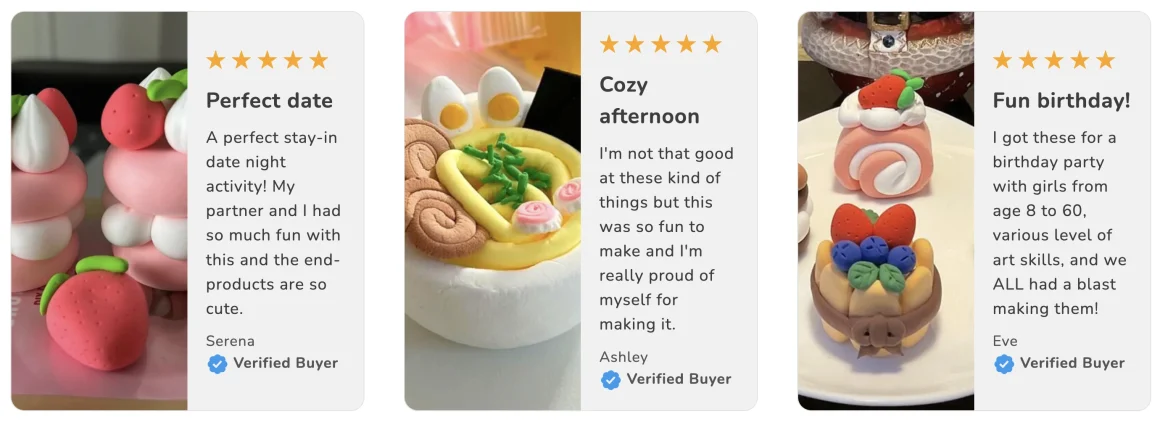
Carol also understood that product quality alone doesn’t win. You need to bring people into your world. Her TikTok presence is community building, not just marketing. She shares mistakes, celebrates customer creations, and makes clay crafting feel accessible rather than exclusive to experienced clay crafters. That authenticity converts, scrollers become buyers, and buyers who experience Claymoo become advocates. Just head over to the testimonial section, and you will be blown away by the customer love.
If Matthew’s lesson is “your skills transfer across industries,” Carol’s lesson is “your customer insight matters more than your credentials.” She didn’t need a design degree or manufacturing background. She needed empathy and the willingness to solve a problem that mattered to her first.
The Real Reason Matthew Quit Tech (Yes, It’s About Love)
Perhaps the most valuable lesson here is this: some of the best business decisions are rooted in love, not just logic. Matthew didn’t quit tech because of a market analysis or pivot strategy. He quit because the person he loved was drowning in cardboard boxes and customer emails, building something real, and he wanted her to succeed. That decision to step in, to lend his systems thinking to her vision, turned a one-person hustle into a thriving company.
This pattern repeats throughout entrepreneurial history.
- Gordon Roddick funded and scaled The Body Shop because he believed in his wife Anita’s vision of ethical cosmetics.
- Lynda Weinman built Lynda.com into a $1.5B acquisition with her husband Bruce Heavin as co-founder, combining their complementary skills.
- Even the warmest version of eBay’s origin story credits Pierre Omidyar’s desire to help his fiancee Pam Wesley trade Pez dispensers online as part of the inspiration.
The spreadsheet version of career advice says: “Follow the money. Pick the highest-growth sector. Ride the wave” But the human version says something different. Sometimes the smartest move is to help the person you love build something meaningful. When complementary skills meet shared purpose and genuine partnership, you don’t just build a business, you build a life. And that might be the most sustainable competitive advantage of all.