Content by Joe Hu, Founder at JUST JOE TECHNOLOGIES
I flew to San Francisco for YC Startup School 2026 with something I didn’t have a year ago: a product real people actually use. Having a real product changed everything about this trip.
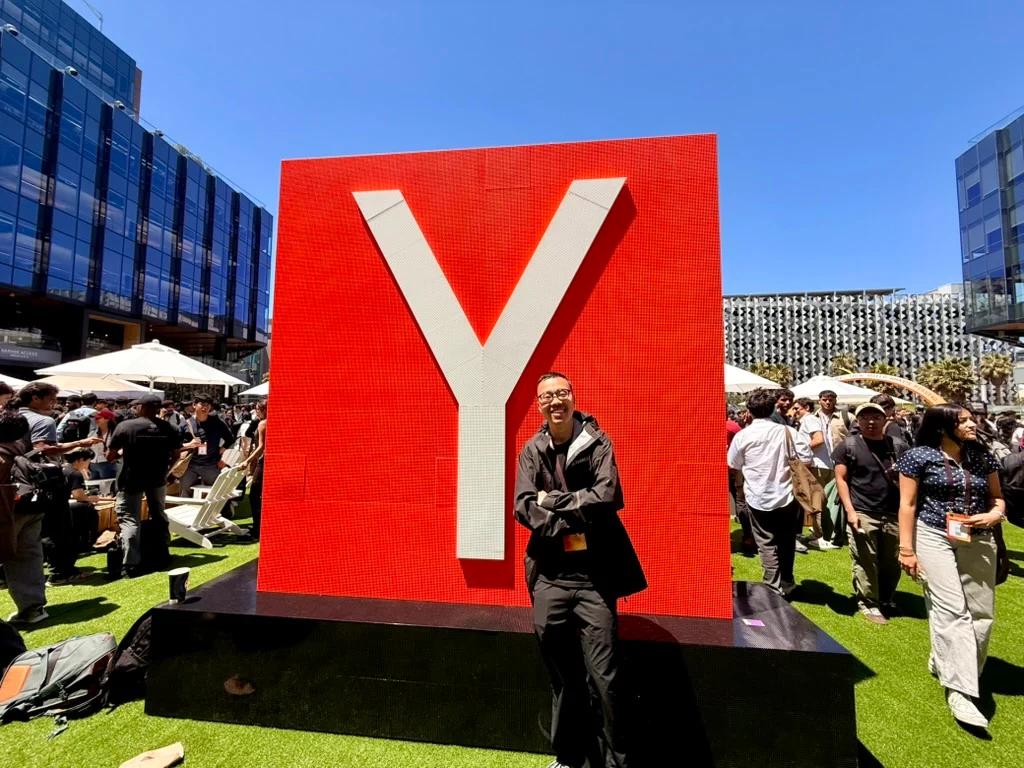
Y Combinator held Startup School 2026 in San Francisco on July 25 to 26, drawing more than 6,000 attendees. Speakers included Jensen Huang, Sam Altman, Jeff Dean, Boris Cherny, Alexandr Wang, and Patrick Collison, among other builders and researchers.
Here’s what the sessions, the hallway run-ins, and 6,000 founders in one place did to the way I think about building, and why I came home to Ottawa readier to go bigger on my own terms.
Why I live on Twitter/X, not LinkedIn
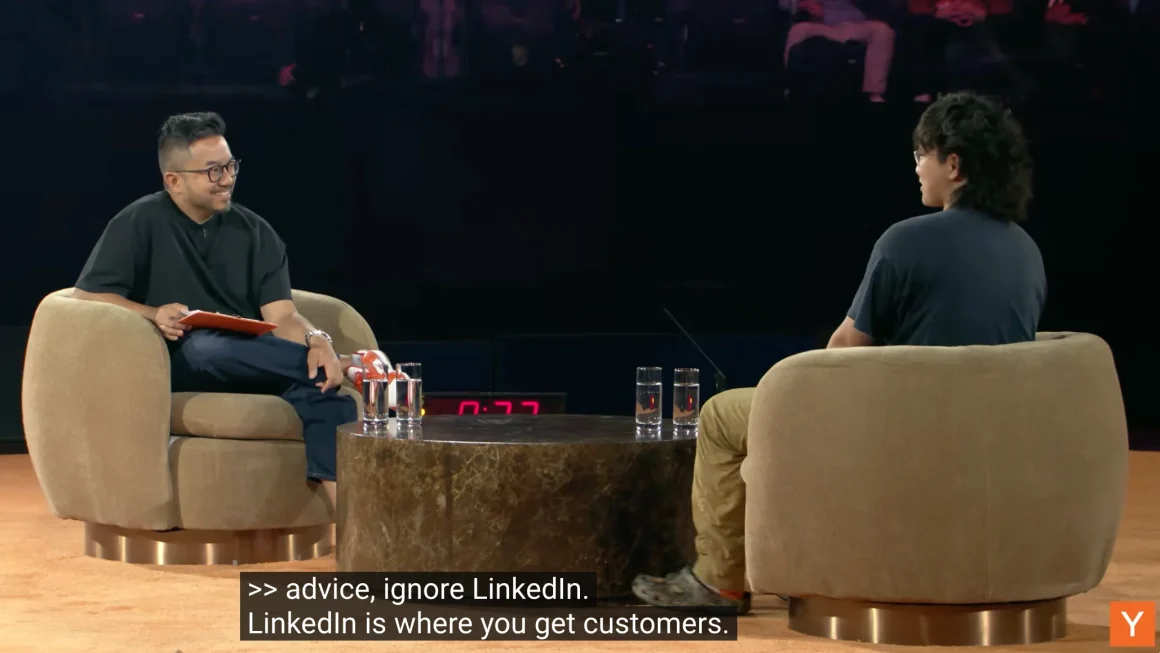
Two lines from the stage stuck with me before I’d even left the building. Boris Cherny joked, “Maybe don’t listen to the LinkedIn influencers.”
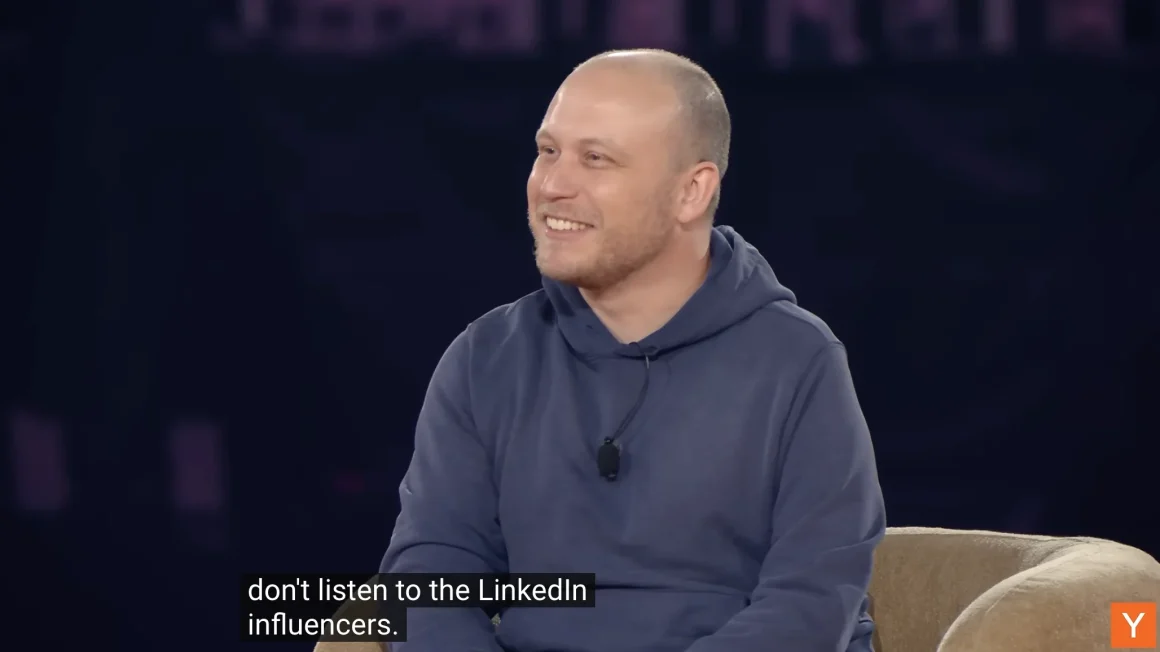
Alexandr Wang’s session put it plainer: “Top advice: ignore LinkedIn.” My takeaway landed fast: more Twitter/X, less LinkedIn.
Strange thing to write in a piece you might be reading on LinkedIn, I know. But it’s the honest version.
The reason I’ve been able to track AI closely and pick up new tools quickly is Twitter/X. It’s the platform I’ve used longest and most consistently, and it’s where people share what they’re trying before it gets sanded into polished content. I spot a tool early, then I find out if it’s any good by throwing it at a problem I already have.
The room didn’t make me a builder
The bigger takeaway from the trip, though, was confidence. And that’s really what I want to hand to anyone reading this who doesn’t have the “right” background and is wondering whether to build anyway.
Startup School didn’t turn me into a builder. Building had already changed who I was by the time I showed up. Over the past year, AI stretched what I could do alone. The people I met stretched what I thought was worth doing.
What my YC Startup School experience actually gave me
Last year I applied to Startup School and got rejected. I flew to the Bay Area anyway, went to the events around it, and found my way into the community.

That trip forced me to face something: I had years of product experience and pages of ideas, but nothing I could point at and say, ‘I made this.’
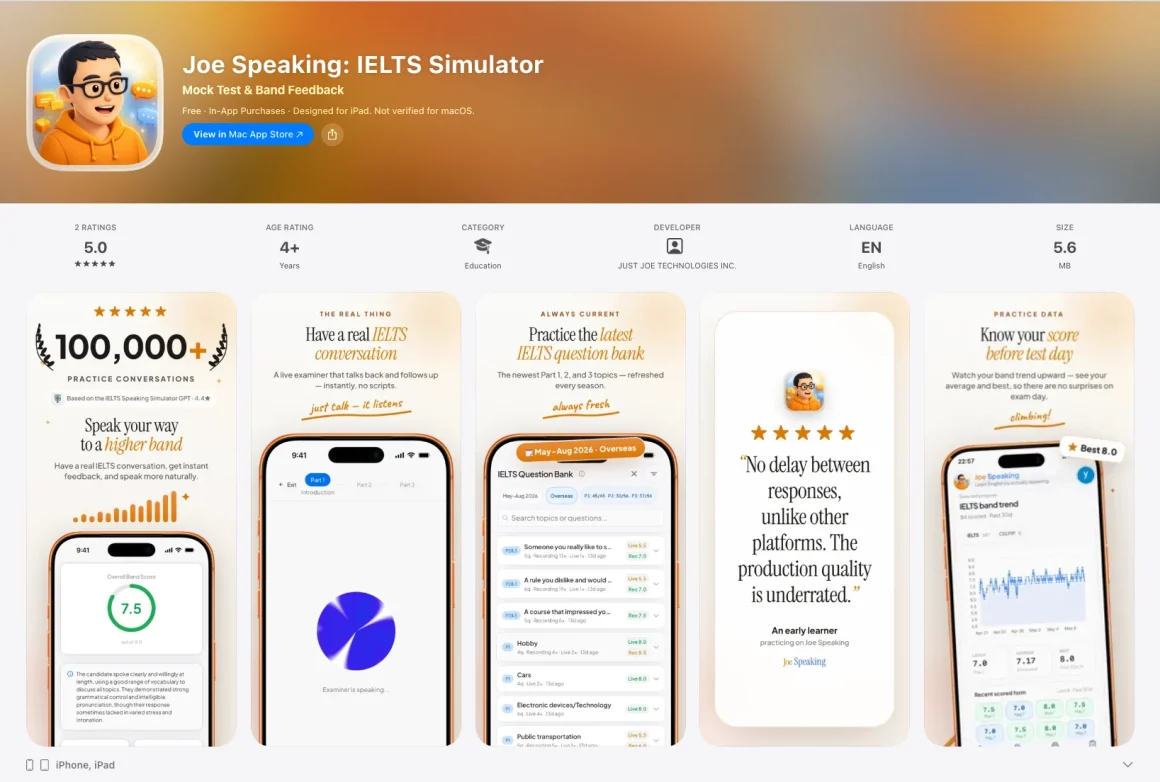
One year later, I came back with Joe Speaking. It started as a fix for my own English-speaking problem. I was user number one, and it got me the language score I needed. Since then it’s reached more than 1,700 users through purely organic growth, 130 of them paying, and it became my first iOS app.
At Startup School I met people from top universities, research labs, and big tech. Plenty were younger than me with resumes that read better than mine on paper. A year earlier, that would’ve had me quietly questioning whether I belonged. This time I just felt proud. I didn’t need a famous school, company, title, or investor to explain who I was, because I’d put something real into the world and people were using it.
Building became my credential.
Startup School didn’t give me that. It helped me see I’d already earned it. While I was drafting this, Paul Graham posted the line that sums it up: confidence comes from evidence.
Here’s my evidence from one year. I went from product person to someone who can turn a personal problem into a shipped product, then debug it, distribute it, support it, and improve it.
Even while wandering around San Francisco, I shipped 1 iOS release and 3 web releases remotely, acted on feedback from 3 users, and burned through roughly 4.4 billion tokens. That pace still feels a little unreal to me.

There’s no magic prompt
Boris Cherny’s session explained why some people get so much more out of tools like Claude Code. There’s no magic prompt. His advice was to treat the model empirically: give it hard work, give it a way to check its own output, watch where it breaks, then adjust the prompt, context, tools, or workflow. Then run it again. The loop is the skill, not any single line you paste in.
That’s exactly how I got better. Not by hoarding prompt templates, but by testing tools against problems I genuinely needed to solve and letting the results grade me. A template promises a shortcut, but the model, the task, and the tools keep shifting, so what worked last week quietly stops working.
Running that loop against my own real problems taught me what to actually change when the output missed, and the feedback was honest because it was mine.
AI didn’t take my job off my plate. I still had to decide what to build, understand users, judge the output, and make the tradeoffs. What it did was amplify my agency.
One person still isn’t enough
The trip reminded me that one person still isn’t enough for everything. Tools made me faster. The people I met changed what I thought was possible, and brought the judgment, trust, and perspective no tool can provide.
Permission to build what you actually want
Most conversations gravitated to giant markets, hockey-stick growth, fundraising, and whatever’s trending. That energy is part of what makes the place worth it. My path just looks different.
Joe Speaking is a product, an experiment, and a way to learn all at once. I built it because I needed it, not because the problem was fashionable or easy to pitch. I literally put my own name on it.
Because AI has dropped the cost of execution, I have more room to follow that instinct. But more freedom raises the stakes on choosing a direction.
AI can make me faster. It can’t tell me what to care about.
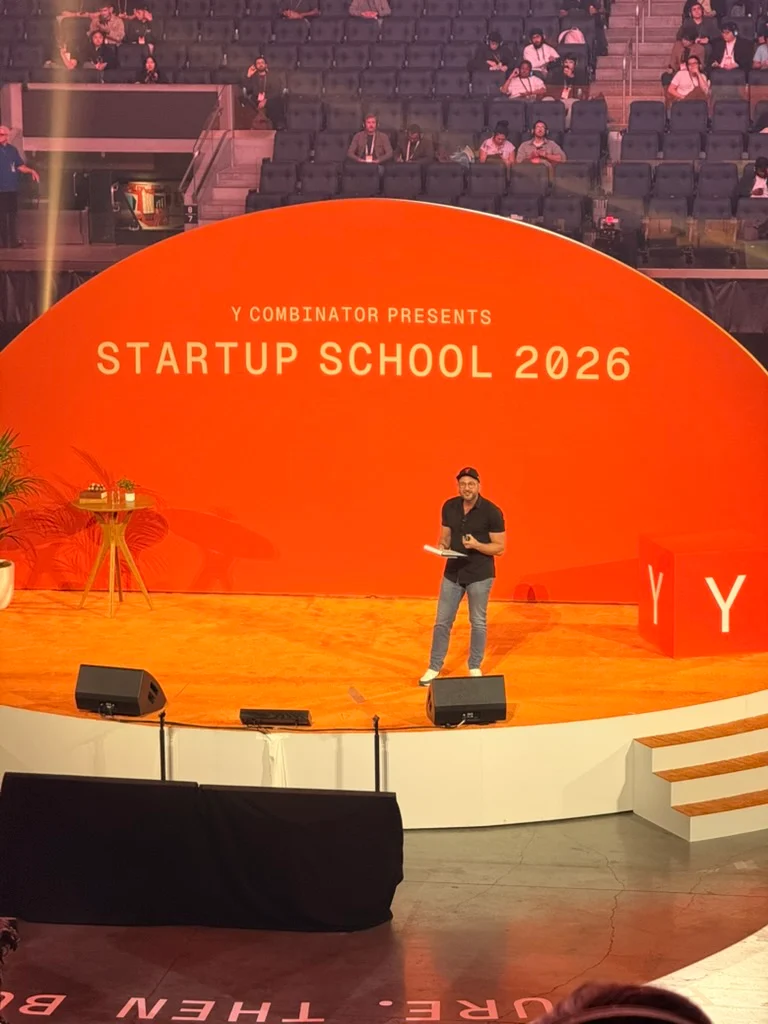
What I took from Peter Steinberger’s talk was permission:
Following your curiosity and building the thing you personally want is a real path, even when it doesn’t match the standard startup template.
Afterward I caught a few minutes with a YC partner, walked through my background, why I built Joe Speaking, and what I want to explore next. The product has grown further than I expected and become genuinely useful to a group of people. But I’m not going to jam it into a story built for YC or fundraising before I understand what the bigger company should even be. I might apply later, when the product, the opportunity, and my ambition actually line up. For now I’m fine saying: not yet.
That’s probably the cleanest summary of my trip. Call it a refusal to perform ambition for other people. I’m plenty ambitious. I just won’t fake a version of it to fit someone’s slide.
Building for myself means starting from a problem I understand deeply, listening to users, and seeing how far it goes before I call it something bigger. Feeling a little out of place might’ve been part of finally finding my own lane.
> be joe.
— Joe Hu (@hubeiqiao) July 26, 2026
> always build for myself and be my own first user. even the product name has “joe” in it.
> build to solve my own problems, not to optimize for yc or fundraising.
> twitter is still on my phone dock.
> on my own track.
Thank you @steipete ! pic.twitter.com/octq3iwkQq
Staying on your track doesn’t mean thinking small
Authenticity can turn into an excuse, though. “I’m staying on my own track” should never quietly mean “I’m scared to think bigger.” Startup School pushed me here, hard.
Alexandr Wang framed this as a once-in-a-civilization moment. The question I walked out with: what kind of world do I want my work to help build? I’m good at spotting a concrete problem and shipping a practical fix. I’m still learning to connect those fixes to a much larger vision.
Sam Altman argued that coding agents have raised the ceiling for small teams. They let a tiny team chase work that used to be out of reach, not just do the familiar stuff faster.
Blake Scholl made that tangible in the physical world. He came from software, not aerospace, and still built toward an economically viable supersonic airliner. His story was a reminder that better technology doesn’t hand us a better future on its own. Someone has to build the products that carry it forward. I’ve long been drawn to products that bridge the physical and digital worlds. I don’t know the exact shape yet, but Startup School pushed me to look past whatever’s directly in front of me.
Later, at a fireside with Vinod Khosla, it got even blunter: dream bigger, take more risks, accept that you might fail. For me that means pushing my own path further than I first thought possible, instead of copying someone else’s company or someone else’s definition of winning.
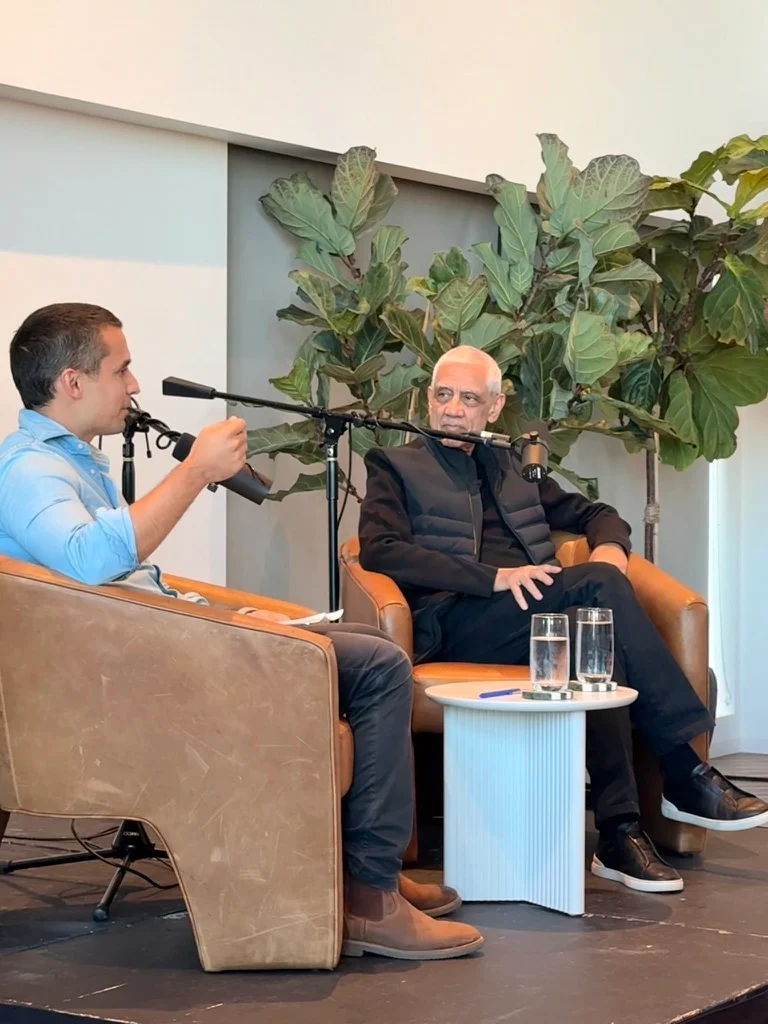
“How hard can it be?”
Jensen Huang’s session gave me another handle on confidence. NVIDIA didn’t start with the right technical approach. When the team finally admitted that, they bought textbooks, learned what they had to, and rebuilt. His point was simple:
Great founders don’t already know everything. They’re willing to face reality and go learn.
He described the attitude he still brings to unfamiliar problems: “How hard can it be?” The honest answer is usually “harder than you think.” But picturing every future ordeal in advance can rattle you enough to never start. So start. Learn what today asks of you. Then build toward tomorrow.
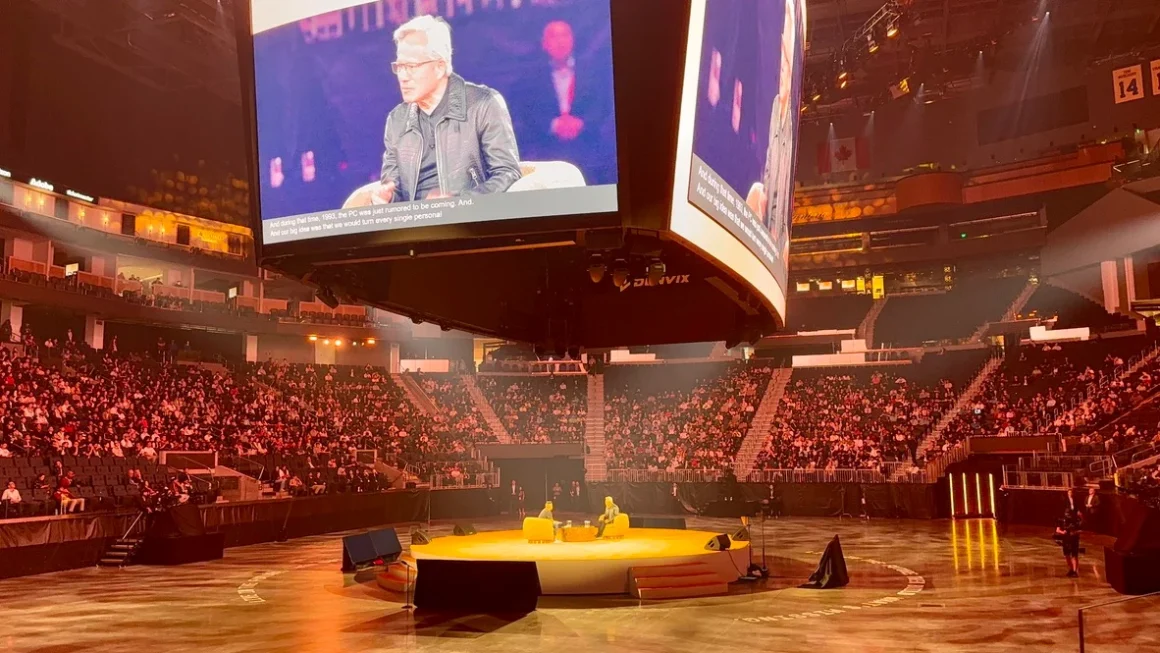
Jensen described resilience as a daily practice, not a single dramatic crisis you survive once.
And that felt personal. Last year I didn’t know how to build the product I now run. This year, users occasionally wake me up with support messages. New problems, sure, but problems I’m grateful to have. Resilience isn’t repeating the same idea forever or pretending everything works. It’s facing what’s real, learning fast, adjusting, and continuing. Not knowing something isn’t a permanent identity. You can learn your way there.
The best of the YC Startup School experience happened between sessions
The talks were great. Some of the meaningful stuff happened in the gaps. At a Google DeepMind after-party I met Logan Kilpatrick and showed him what I’d built with Gemini Live. Telling the builder what I thought, face to face, beat any feedback form I’ve ever filled out.
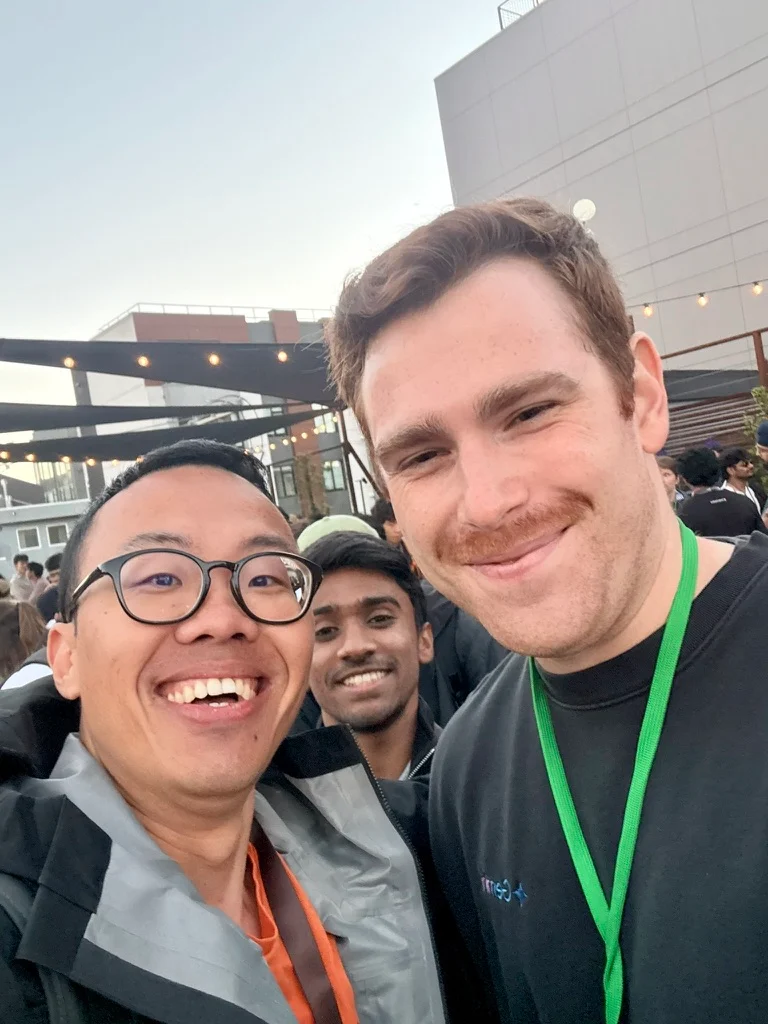
I first met Nolan Lwin at Founders, Inc. We crossed paths again at Startup School, then at a coffee shop he recommended, where nearly everyone around me was grinding on a YC application. Everyone but me.
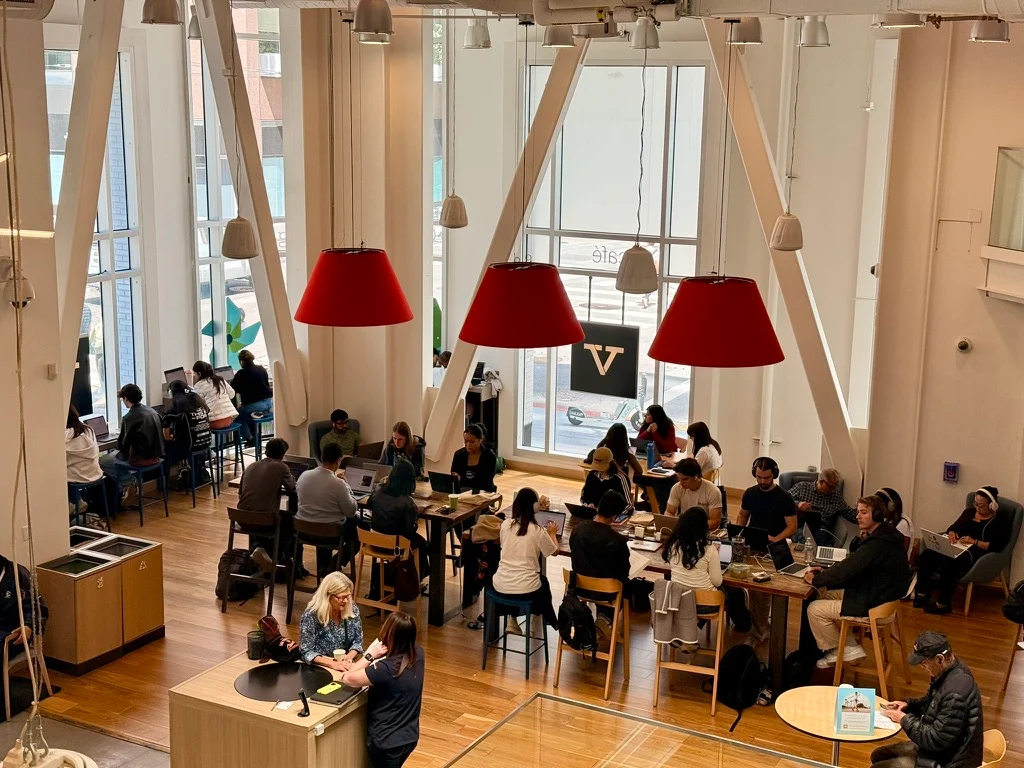
Coming back from the restroom, someone stopped me: Mark Nakatani. We’d tried to meet at Startup School and missed each other, only to collide there by accident. I also finally met Nelson Lee in person after knowing him through X for years.
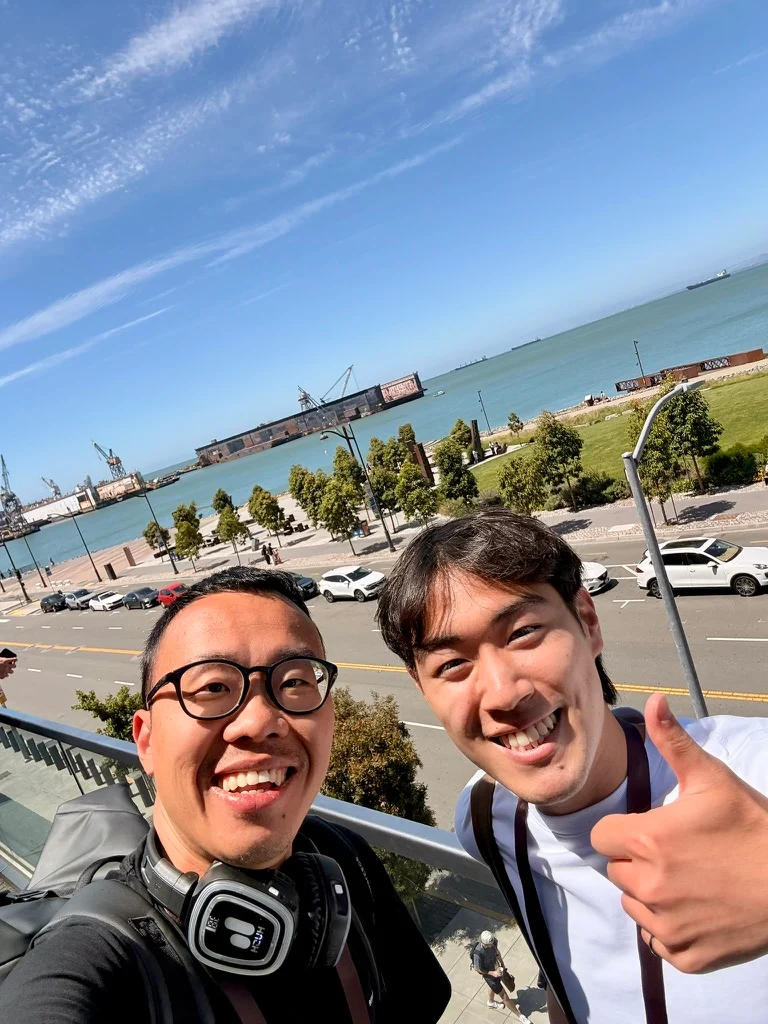
There were real conversations, new friendships, after-parties, and even builder hotpot. Some of these meetings probably felt ordinary to the other person. To me they carried years of context.
When you’ve followed someone’s work, used what they built, or traded posts for a long time, meeting in person changes the whole thing.
Help first, the network builds itself
Sam Altman also talked about how the best networks grow from genuine curiosity and helping people, not from treating every chat as a transaction. That matched my whole trip. I didn’t walk into rooms hunting a target. I shared what I was building, listened to other people’s stories, asked questions, and let the unexpected conversations happen.
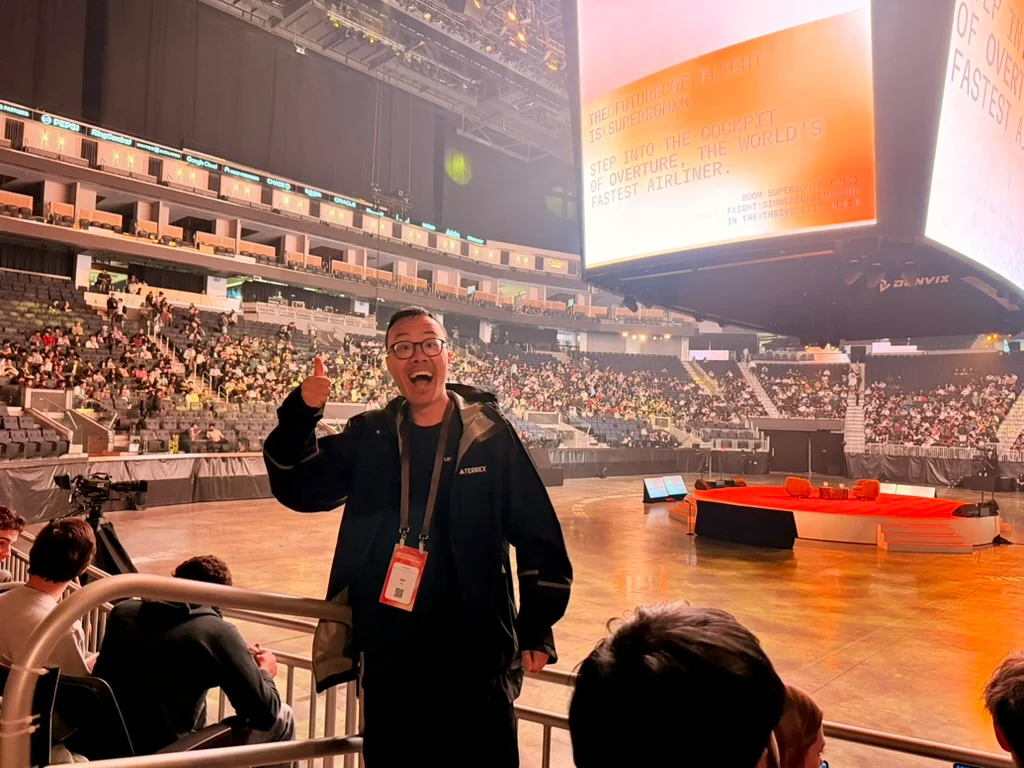
It’s how I think about a personal brand too. To me, a brand is the memory people build from what you do over and over, not a polished profile or a job title.
Sometimes helping is sharing what you know or making an intro. Sometimes it’s honest feedback, or just caring about what someone’s trying to build. Writing this is one of those ways.
I’m early, and I haven’t figured it all out. But maybe the honest version of my journey helps someone start sooner, feel less intimidated, or trust their own path a little more.
I want what I publish to make me more useful and more honest, not just more visible.
What San Francisco gives me, and what Ottawa does
In San Francisco, especially at a YC event, ambitious ideas feel normal. Conversations open with agents, models, infrastructure, distribution, and products that were impossible a year ago. Startup thinking leaks into ordinary places. That density is powerful, and it’s still a bubble. Step outside it and plenty of people have never meaningfully used an AI agent, and plenty of businesses are only starting to grasp what today’s tools can do.
There’s an insane amount of alpha in:
— Akshay Kothari (@akothari) July 21, 2026
– People in SF leaving SF to see how people and companies around the world are using AI (hint: most are still using it primarily as search)
– People outside SF spending even two weeks in SF to see how people and companies are operating here…
So the right rhythm for me might be to visit San Francisco now and then, soak up the ambition, meet people, then go home to communities where the problems and the level of AI adoption look completely different.
I sometimes wonder what would’ve happened if I’d moved straight to the Bay instead of staying in Ottawa. Maybe I’d be more connected, or building faster. Maybe I’d have optimized too quickly for the conversations right around me. Ottawa gave me distance, and time to explore freely and find my own direction. That distance cost me access. It also gave me room to become different. San Francisco shows me what’s possible. Ottawa reminds me how much of the world hasn’t reached that future yet.
I also met a lot of Canadians on this trip, a surprising number of them from Waterloo. It left me chewing on Canada’s talent story. How do we create more places where ambitious builders keep bumping into each other? How do we give them better reasons to take risks and stay long enough to build the next wave of communities?
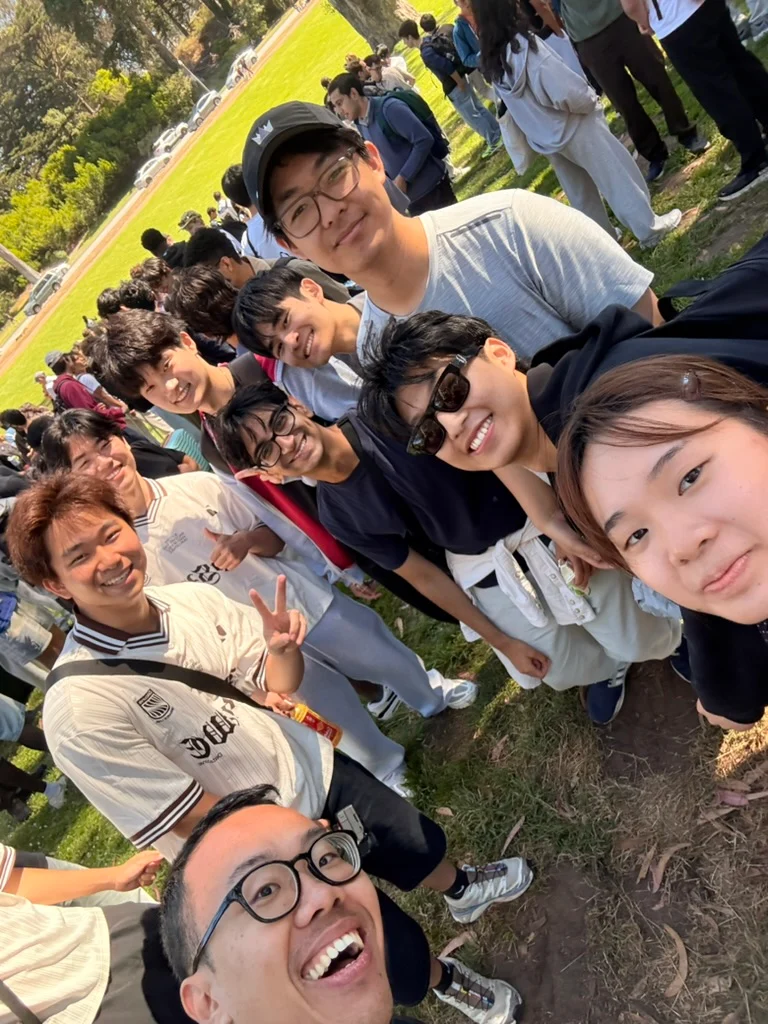
I don’t have a tidy policy answer. But as an immigrant building here, I want Canada to be more than a place that grows and attracts talent right before that talent leaves. I dig into that more here: Canada helped Joe become a builder. Does Canada know how to keep builders?
What I’m taking home from the YC Startup School experience
Last year I flew to the Bay with ideas and uncertainty. This year I flew home with a product, real users, more confidence, and friends from around the world. Startup School felt like a reward for the previous year’s work, and a reminder that a personal win doesn’t have to follow anyone else’s template.
You don’t have to chase every trend or reshape yourself for investors and algorithms. Start with something you actually care about, keep learning, help people, and build something you’re proud to share.
I still don’t know exactly what I’ll build next, or who I’ll be when I’m back in San Francisco. But I know how I want to keep going:
- Be real.
- Be yourself.
- Help others genuinely.
- Think bigger.
- Stay on your own track.
Thank you, Y Combinator, for putting this many ambitious, thoughtful, and generous people in one place.
About the Author

Joe Hu is the founder of Just Joe Technologies, a one-person, AI-powered studio based in Ottawa, Canada, where he builds products with AI and shares the journey publicly. His first iOS app, Joe Speaking, started as a fix for his own English-speaking problem. He writes about building as an explorer, builder, and founder at hubeiqiao.com and posts on X @hubeiqiao.