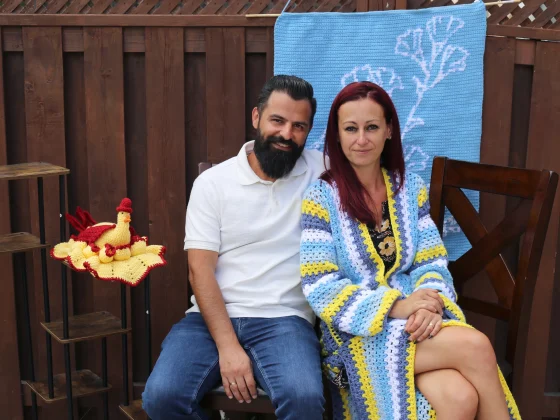
Written by Lidia Vijga
A tiny Ottawa startup called Tandem Robotics built a farm robot that farmers are calling every week to get back. The reason it fits their fields so precisely is surprisingly simple: the founders spent two seasons doing the back-breaking work themselves, for free, before they wrote a single line of code. Call it earning the right to build, and it’s the one advantage money can’t buy.
The robot that works lying down
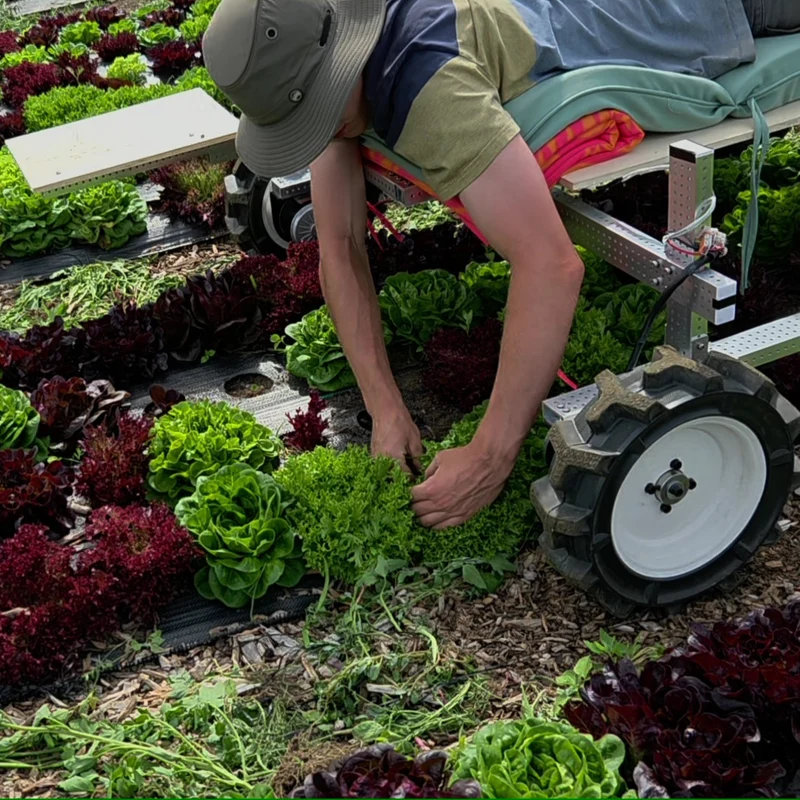
The farmer weeding this row of vegetables outside Ottawa is lying down. Flat on his stomach, inches above the soil, he pulls weeds by hand while a robot slides him along the bed at exactly his pace. Nudge an arm forward and it rolls forward. Ease back and it slows. For 20 summers he did this same job on his knees, bent double, back on fire by noon. Now he jokes he’s comfortable enough to watch YouTube while he works, and for the first time in decades his back is quiet at the end of the day. When the company comes to take the machine away for maintenance, every farmer asks the same thing: can I make it through the week without it?
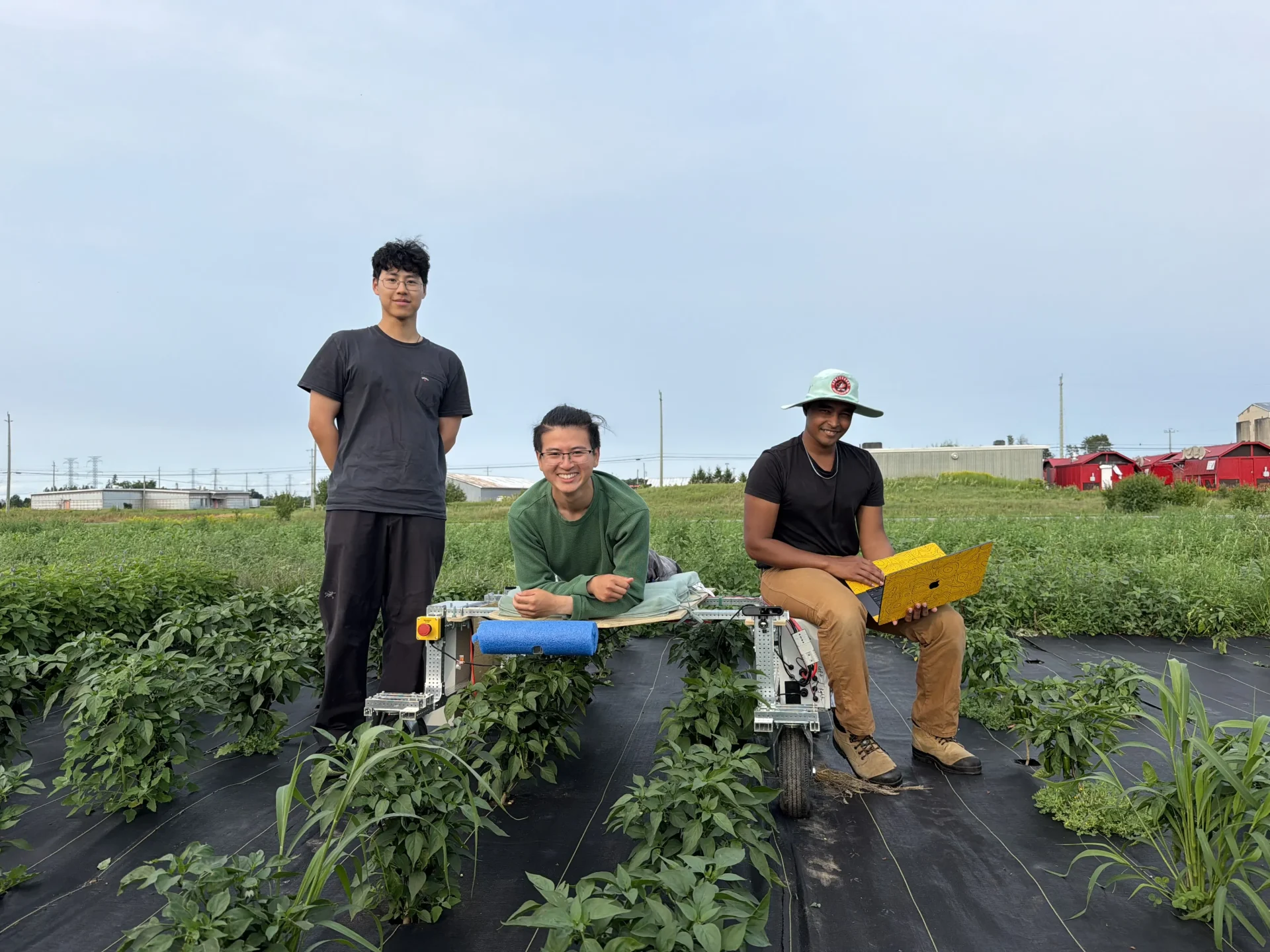
That machine is the Taro cobot, and the company behind it, Tandem Robotics, is maybe two months old with a garage for a factory. The design is largely the masterpiece of their mechanical engineer, Alvin Htet, refined over years of university space rover competitions he ran alongside Kevin at uOttawa.
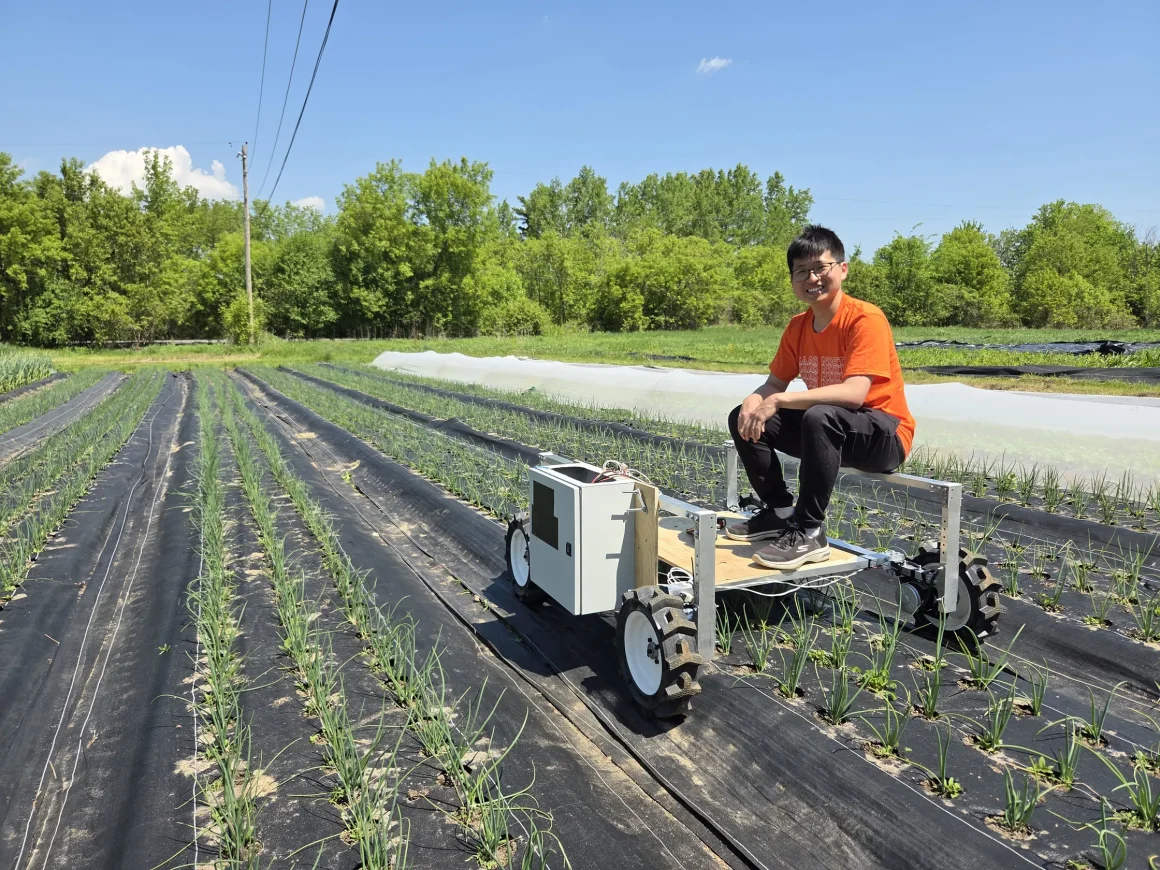
What I want to talk about isn’t the hardware, though. It’s the reason the hardware works, because that reason is the most transferable thing an early founder can steal.
Why the field beats the whiteboard
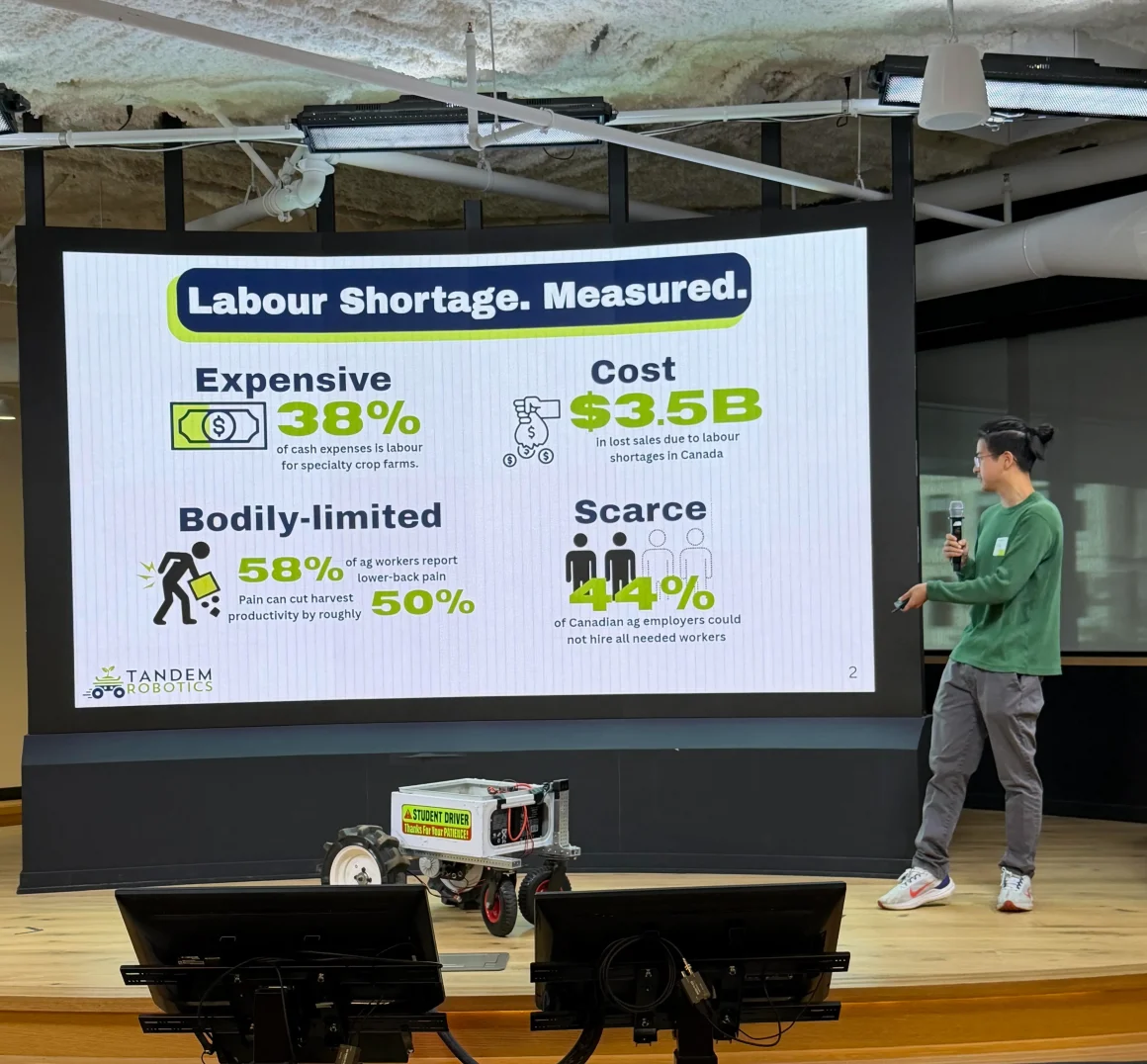
The problem Tandem is chasing is real and expensive. In 2022, 44% of Canadian agriculture employers couldn’t find all the workers they needed, and the sector lost $3.5 billion in sales because of unfilled jobs. The fruit and vegetable industry is the worst off, facing a gap of more than 35,000 peak-season jobs by 2030.
The people still doing the work are wearing out: the average Canadian farm operator is now 56, and 60% are 55 or older. And the work itself breaks bodies. A 2023 meta-analysis of 33 studies found 52% of farmers reported lower-back pain in the previous year, climbing above 60% for men.
You could learn all of that from a report, the way I just did. The team behind Tandem learned it from their own spines.
Ming Chen, the CEO, comes from a computer engineering background and is, by every account of the people around him, obsessed with agriculture. Mumtahin Farabi, who runs the hardware, grew up on a small tea-and-dairy farm in Bangladesh before a detour through decentralized-finance engineering.


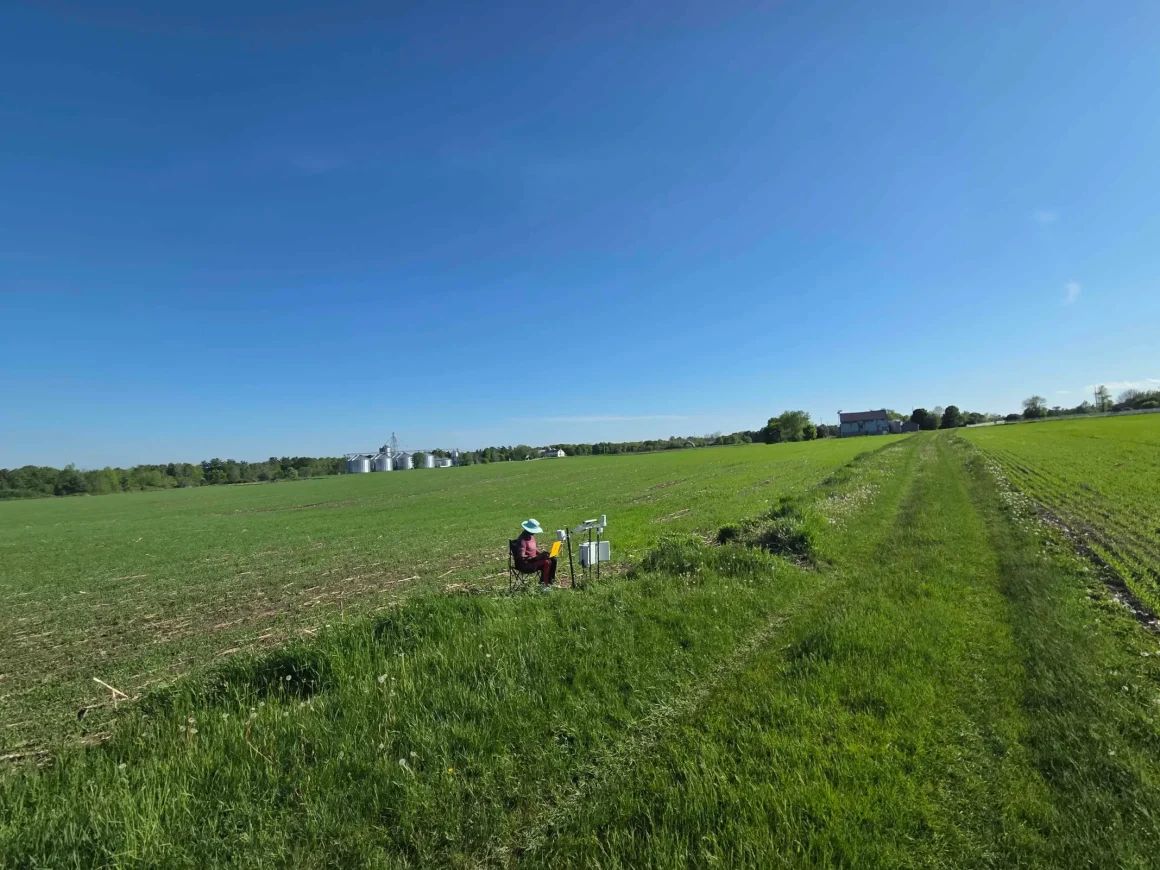
Before Tandem, the team ran Apidae Systems, selling soil-data equipment to organic farmers, tracking moisture, pH, temperature, and electrical conductivity for clients that included the University of Ottawa and Canada’s National Research Council.


Then they spent two full seasons with their team volunteering on local organic farms, doing the labor for free, feeling exactly which tasks wreck you and in what order.
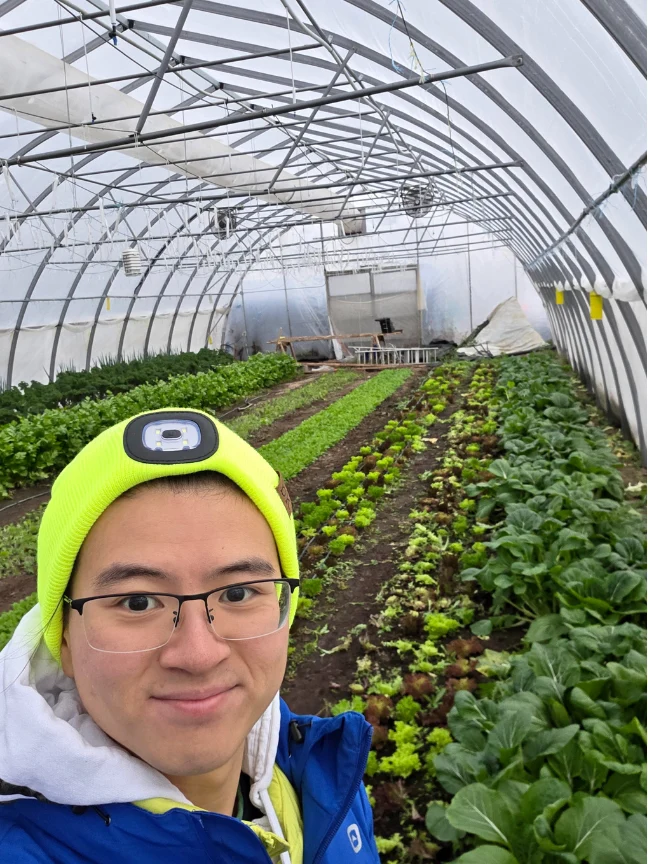
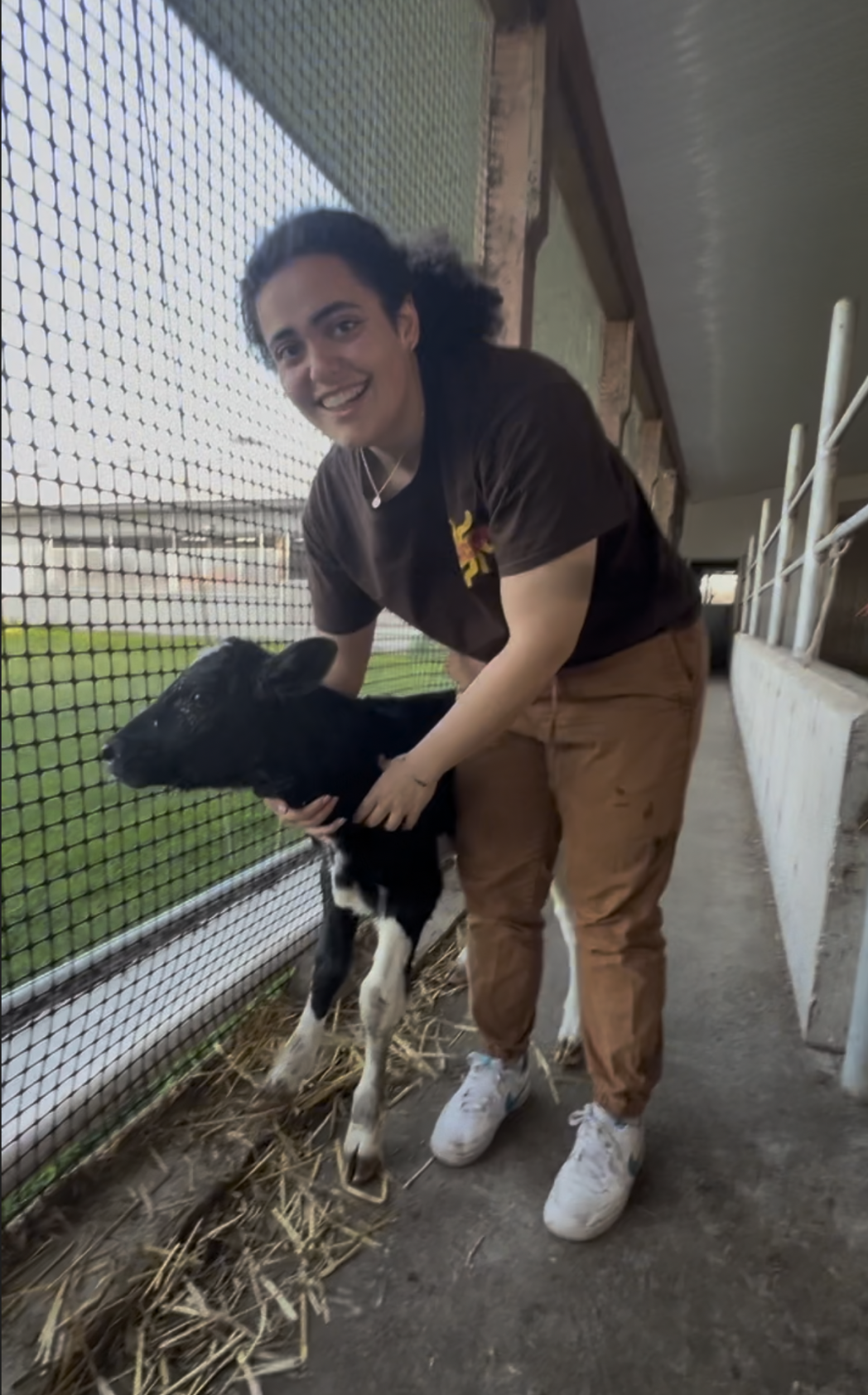
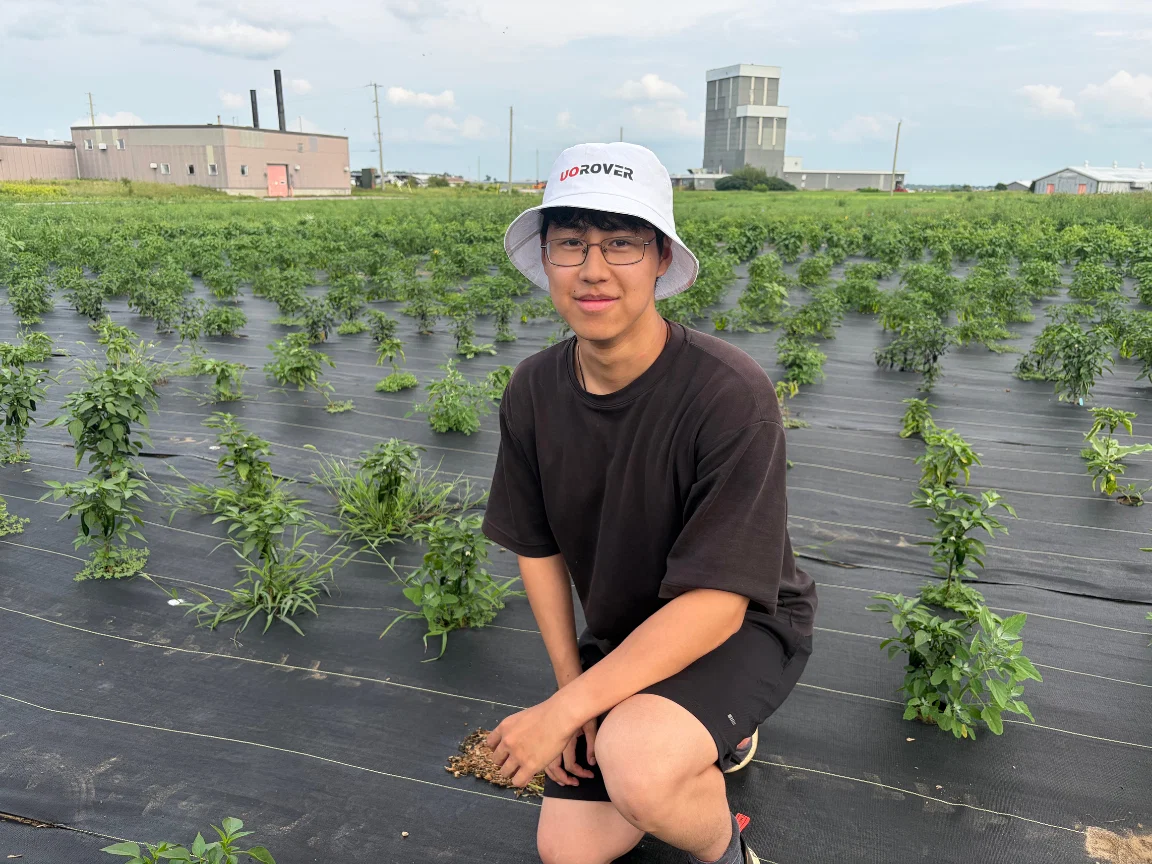
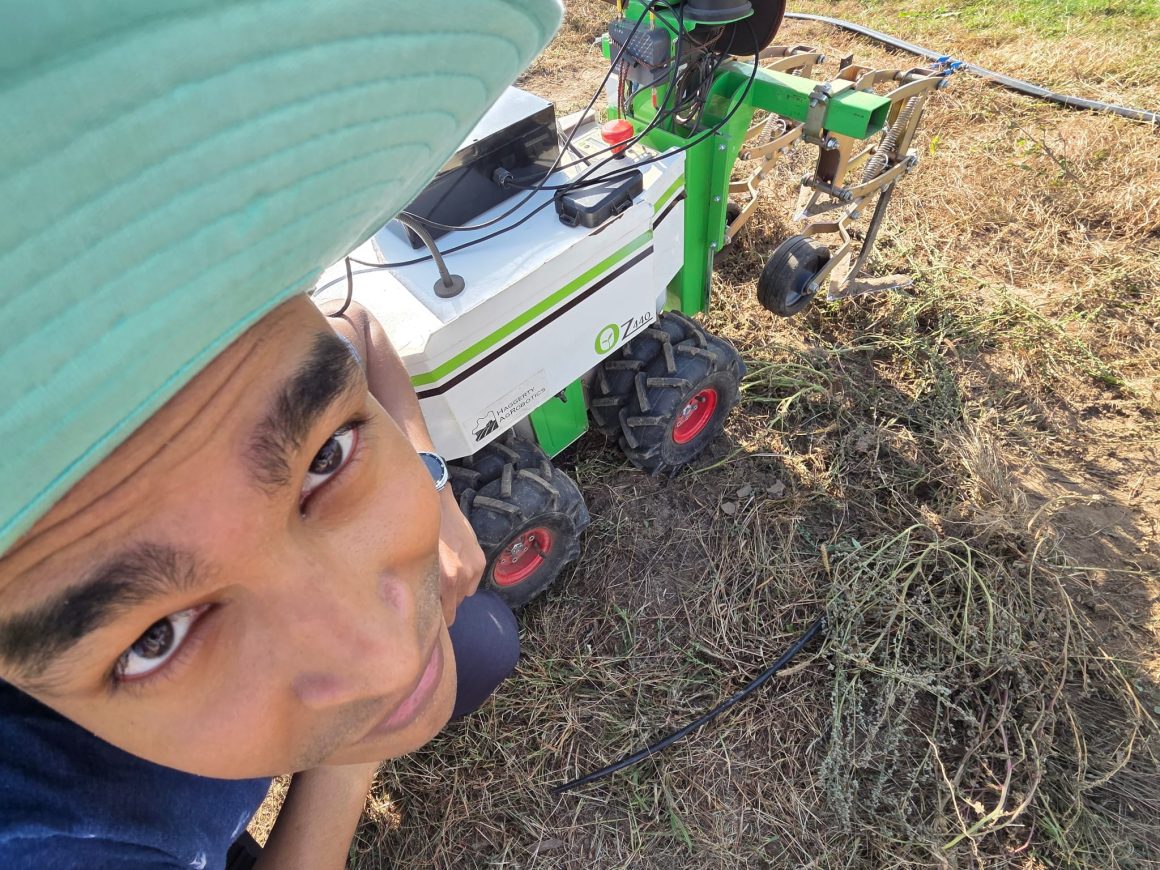
That is what “earn the right to build” means. Most hardware startups begin with a solution and go hunting for a problem it might fit. Tandem did the reverse. By the time they built anything, they knew the crops, the farmers by name, and the precise geometry of the back pain.
How to earn the right to build
Here’s how to run the same playbook, whatever you’re building.
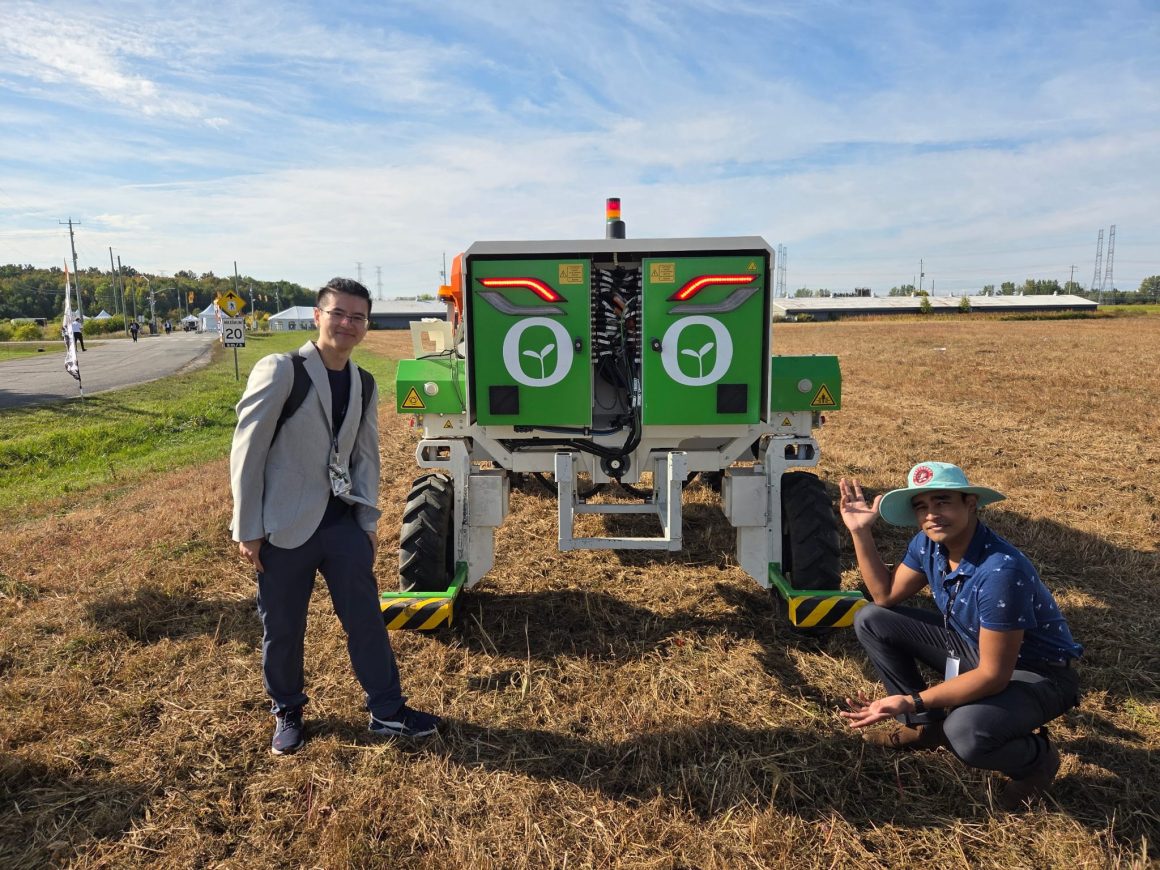
Do the work with your own hands, not with a survey
Tandem’s two seasons in the dirt weren’t a box-ticking exercise. They were how the team learned exactly what wears a farmer down: bending, carrying, and repetitive strain, in that order, which is why the Taro cobot is built to take those 3 things off a human body while leaving the judgment alone.
This is the physical version of what Paul Graham calls doing things that don’t scale: Airbnb’s founders going door to door in New York to photograph listings themselves, learning the product by living inside the customer’s problem. You cannot outsource this part.
Sell the boring adjacent thing first


Before robots, Tandem sold soil sensors to these same farms, and when they started the new company, every early customer came with them. Those farms followed because trust compounds. Selling the humble product first bought them access, credibility, and a running start on relationships that a cold-emailing competitor will never have.
Rola Elghonimy, who led sales at Apidae Systems and runs sales here, is the one turning that warm pipeline into signed orders.
Shopify has the same origin story: Tobi Lütke was running an online snowboard shop called Snowdevil and built the store software because the existing tools were terrible, then realized the software was the real business.
The adjacent product is a Trojan horse. Ride it in.
Build for the constraint they actually have, not the one you find interesting
The sharpest lesson is buried in Tandem’s history. Their soil-sensor company worked, technically. The dashboards were good. The farmers paid for them. And then the farmers never looked at them, because after a day of manual labor and running a business, nobody has the energy to study a chart.
The founders had solved for data when the real constraint was exhaustion. So the next company attacked the exhaustion directly, with a machine that removes the physical toll instead of adding one more screen to ignore.
When your customer isn’t using the thing you built, resist the urge to blame them. They’re showing you which problem is actually holding them back.
Keep the human where the judgment lives, and support the product like you’ll see them Saturday
Tandem calls the Taro a cobot, short for collaborative robot, and the distinction matters.
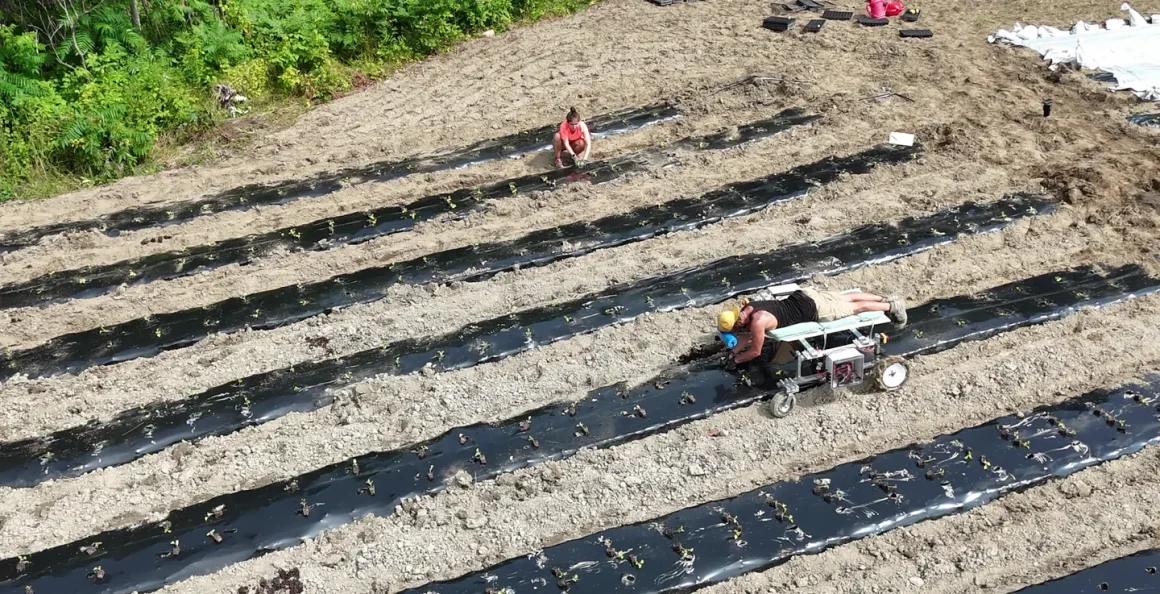
It doesn’t replace the farmer’s judgment on which plant is ready and which is a weed, because current AI can’t reliably tell one seedling from another in a messy, chemical-free field where crops and weeds grow tangled together.
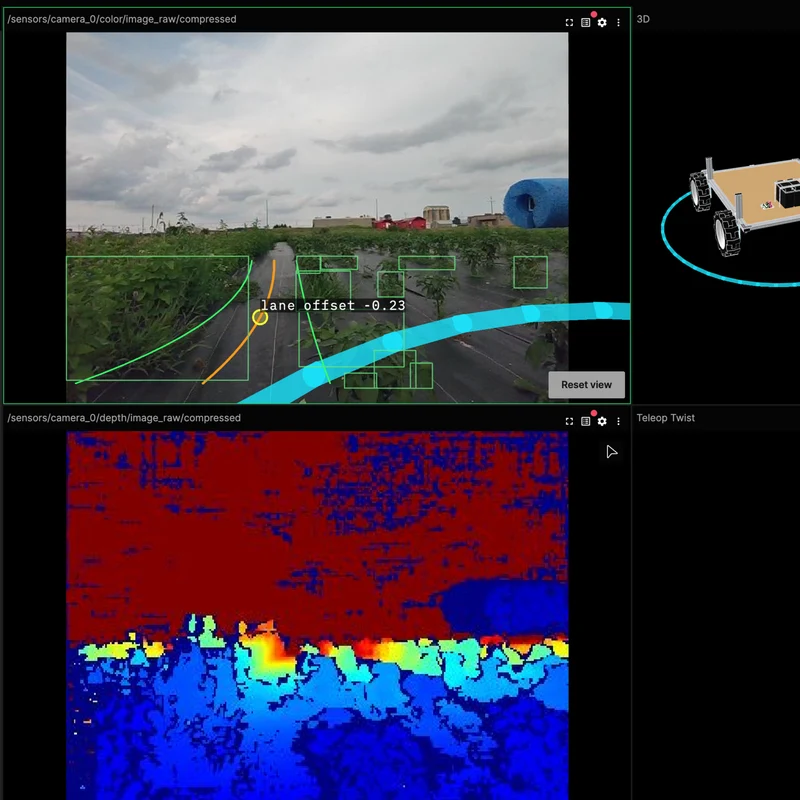
It removes the lifting and the bending and lets the human keep deciding. Their roadmap (“Work With Me,” then “Learn From Me,” then “Work For Me”) earns autonomy one verified step at a time instead of promising a magic box on day one.
And because these founders will literally run into their customers at the farmers market, they’ve designed for easy, swappable, right-to-repair maintenance and they refuse to lock buyers into subscriptions. Contrast that with the right-to-repair war farmers fought against John Deere, which only signed a repair agreement in 2023 after years of blocking growers from fixing their own machines. Tandem is building the opposite reputation from the start, and reputation, in a community this tight, is the whole moat.
Where the humility helps and where it hurts
I’ll be honest about the risk here, because I care about these founders more than about a clean story. The same instinct that makes Tandem trustworthy, the reluctance to charge aggressively, the discomfort with subscriptions, the refusal to beat their chest next to bigger competitors, could also leave money on the table. When I asked Mumtahin how investors get a return, he pointed to the exit most robotics companies take: getting acquired once you own a market a bigger player wants. The pricing and financing to get there are still being worked out, which is ordinary early-stage work, not a knock on the team. A product people love and a finished business model are simply two different jobs.
The good news is that the first job is far harder to fake, and Tandem already has it. They have $225,000 in letters of intent, robots that transplant 2.5 times faster and weed 4 times faster, a hardware platform that can haul 300 pounds, and a waitlist of farmers who treat the machine like a member of the family. That is the rare asset. Pricing and financing are solvable once you own something real, and they own something real because they earned it in the field.
Winning the farms giants ignore
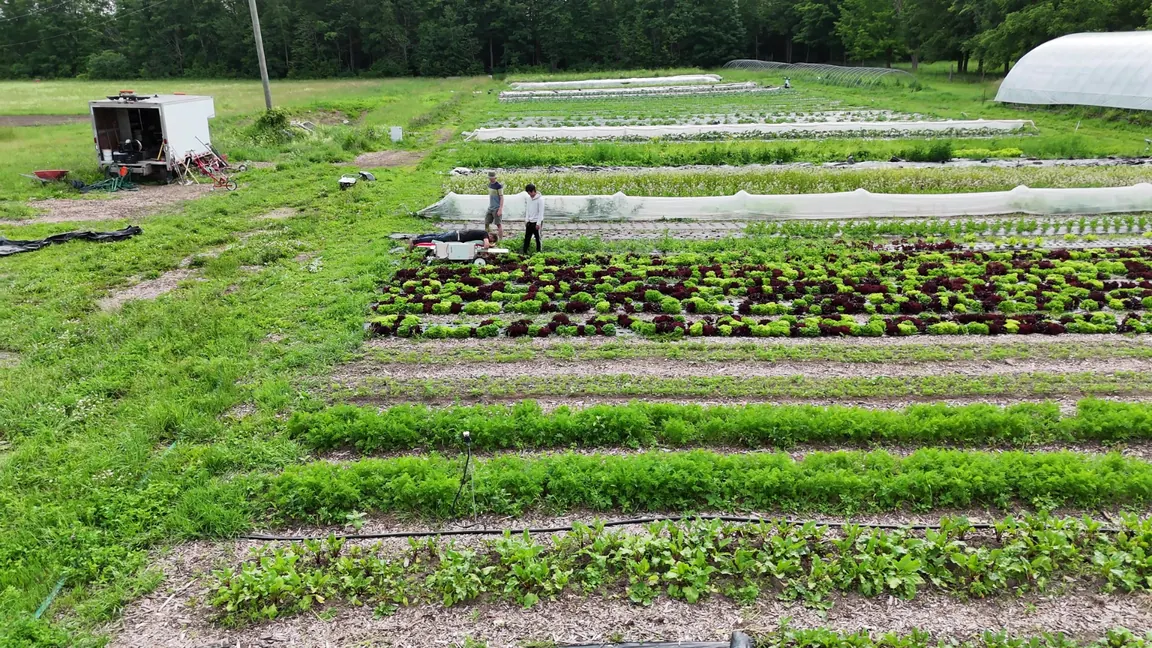
It also helps that they went after a market everyone else skipped. The big, well-funded robotics companies chase enormous factory-scale operations, the kind of farms that are really just outdoor assembly lines, because that’s where the volume is. Tandem aimed at the small organic farms everyone else finds too fragmented and too cash-poor to bother with, and those are exactly the growers drowning in the labor shortage with no help coming.
Serving the segment your competitors dismiss is a classic wedge, and it’s wide open here. The team is going from 2 robots this season to a planned 20 next year across more than 15 farms, converting pilots into sales as they go, with their own factory (currently a garage) meant to scale toward mass production by 2028. Every one of those farms is a relationship they earned before they needed it.


Do this before you write code
If you’re building for a hard, physical, judgment-heavy market, the most useful thing you can do this season isn’t a pitch deck or a demo. It’s showing up to do the actual work. Volunteer on the line, sell the humble tool that gets you through the door, and stay long enough to feel the problem in your own body, until you understand it better than the people living inside it. That understanding is the one thing a bigger budget can’t manufacture, and it compounds every season you stay close to the work. Start there, and the product almost designs itself.
Time in the field plus a problem you’ve felt equals the right to build. No amount of funding can shortcut that.