Written by Branda Fan
The most generous recommendation you ever gave is, right now, working against you. The place closed months ago, and your guide keeps sending strangers to a locked door, each one quietly deciding your taste can no longer be trusted.
Almost none of them will say a word. They just trust you a little less, and the one asset you can’t rebuild drains away at a rate no dashboard will ever show you.
What people actually buy from you is the belief that your judgment still holds – 64% of consumers engage most with reviews they trust as genuine. A guide frozen on the day you published it slowly makes a liar out of you.
Key Takeaways
- Answering individual travel questions via direct message forces content creators into unpaid labor that mimics U.S. travel agents, who earn a median annual wage of $50,160.
- Because 54% of travelers plan major trips three to six months in advance, travel creators continuously receive unpaid itinerary requests long after their original posts expire.
- Digital storefront subscriptions like Stan Store cost $348 annually, consuming nearly 10% of the $3,800 median yearly income of content creators.
- Selling static PDF travel itineraries damages creator credibility because consumers unknowingly visit permanently closed locations relying on outdated recommendations that cannot be dynamically updated.
- Expedia data shows 73% of travelers rely on influencer recommendations for bookings, highlighting the need for travel creators to route followers through direct-commission maps.
- Integrating dynamic travel maps on platforms like Nowy enables creators to earn commissions on bookings through partners like Viator, whose program pays 8% on experiences booked within 30 days of a click.
- Email newsletters offer travel creators critical audience ownership by delivering average open rates of nearly 40%, vastly outperforming Instagram’s 5.5% average follower reach.
Why Should Travel Creators Stop Doing Free Travel Agent Work in Direct Messages?
Look at where your saves and DMs cluster. “Where did you eat.” “Which route did you take.” “Is that hotel worth it.” That is demand. Real, proven demand. People are telling you exactly what they would pay for.
But answered one at a time in DMs, that demand disappears. Each reply is a tiny planning session paid for with your time. The follower gets a plan. You get a heart emoji. The recommendation lands in their camera roll, where it earns you nothing.

And this is real work with a real price tag. U.S. travel agents earned a median annual wage of $50,160 in 2025, much of it from commissions and service fees. You do the same job in your DMs. You just skipped the part where you get paid.
The timing makes it worse. A post went up, blew up, went viral, but died in a day. The DMs never end. American Express found that 54% of travelers plan major trips three to six months ahead. So the person asking about your hotel in month six is completely normal. And you are answering her for free, again.
Count it for one week. Every planning DM you answer, one tick mark. By Sunday you will know exactly how much unpaid travel agent work you are doing.
Keep being helpful. Just be helpful through something that pays you back. Same helpfulness, same taste, but the value comes home to you.
Why Must Travel Creators Run ROI Tests on Software Subscriptions and Digital Storefronts?

This one really gets me, because it is so backwards.
A creator with 20,000 followers is often paying $29 a month for Stan Store, plus Linktree, plus a stack of editing tools. During our Georgetown Ventures cohort this year, I sat down with a young travel creator. She was about to drop $200 on a landing page. It wouldn’t even do half of what she needed. All of this before she had made a single dollar.
I won’t tell you to cancel this tool or that one. Instead, ask one honest question about every line on your card statement. Is this tool actually making me money back? Or is it just keeping the lights on?
Most of what creators pay for are storefronts. They hold your stock, they don’t earn for you. Nobody discovers you through a link-in-bio page. It waits for traffic you have to bring yourself. And it bills you whether or not anyone shows up.
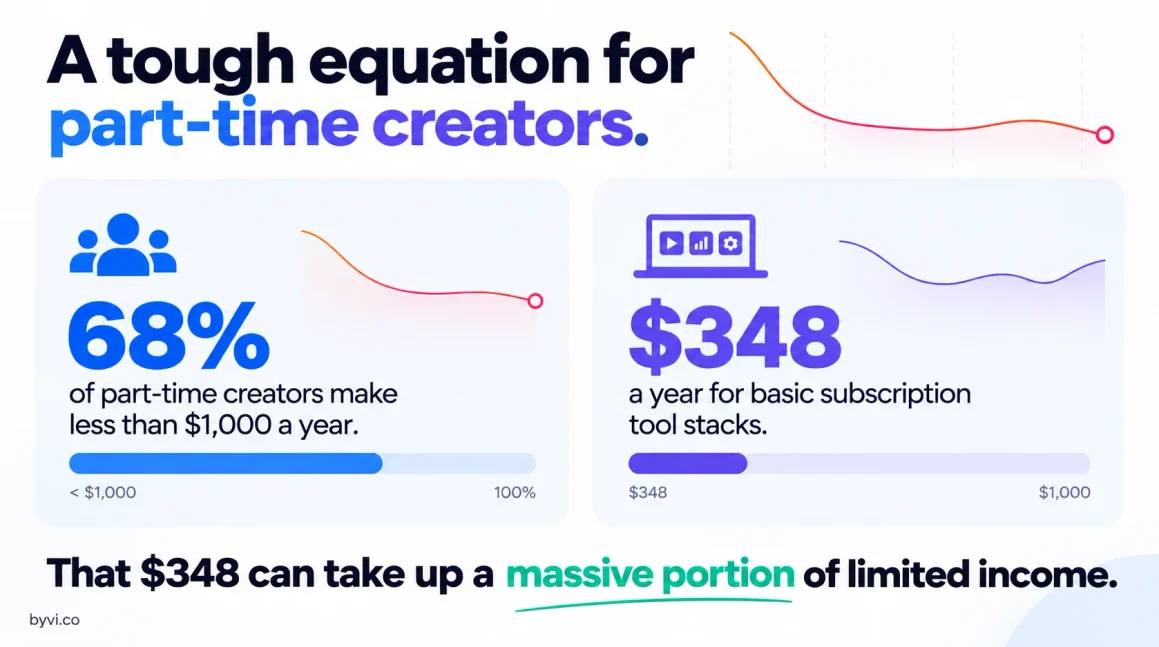
The numbers make this urgent. The median creator makes around $3,800 a year, usually from very limited channels, and the creators we’ve talked to are living exactly that reality. Linktree’s own report found that 68% of part-time creators made less than $1,000 a year from creator work. You cannot ask that person to pay a stack of subscriptions before she earns a penny. The math just doesn’t work.
Let me show you. Paid month to month, that Stan Store plan runs $348 a year. Against $3,800 in income, that is close to a tenth of everything you make, spent on a shelf.
So here is the shift. Stop paying to own tools, and only pay for what actually pays you back. Hold that thought, because I am going to complicate it in Step 5.
Why Should Travel Creators Build Dynamic Digital Travel Guides Instead of Static PDFs?
Back to that creator from Georgetown Ventures. She had the right instinct. She built an entire travel guide in Notion and sold it for around $50 or $60 a copy. Her taste, packaged and priced.
Then she told me the thing that got me.
A restaurant on her guide had closed permanently. She had no way to tell the people who had already bought it. Some of them came back to her. Your Notion isn’t legit, it’s not updated, this is old information. She felt awful. Guilty. She had personally recommended that place. That is why they trusted her. They showed up, and it was gone.
Meanwhile her guide was still out there, still selling, slowly going wrong. She couldn’t fix it. And she was still answering “is this place still open, do you still recommend it” in her DMs. Months later. For free.
How Do Outdated Static Travel Guides Cause Travel Creators to Lose Audience Trust?

Everybody worries about the big public blowup. What I heard was quieter. Honestly, it stuck with me more. It’s a trust leaking out one bad recommendation at a time.
When a buyer shows up to a closed restaurant, most of them never complain. They just trust her a little less next time. And she has no idea it is happening. She can’t check every place every day on a PDF. She can’t push a fix into every copy she already sold.

I’ll be careful here. We are still digging into how common this is in our creator interviews, and I don’t want to overclaim. But we have heard it enough times that I stopped treating it as a fluke.
What Are the Benefits of Selling Dynamic Digital Travel Itineraries for Content Creators?

That is when it clicked for me. Taste was never the problem. She had the taste, the beautiful experiences, the audience, all of it. She just had no way to keep any of it alive.
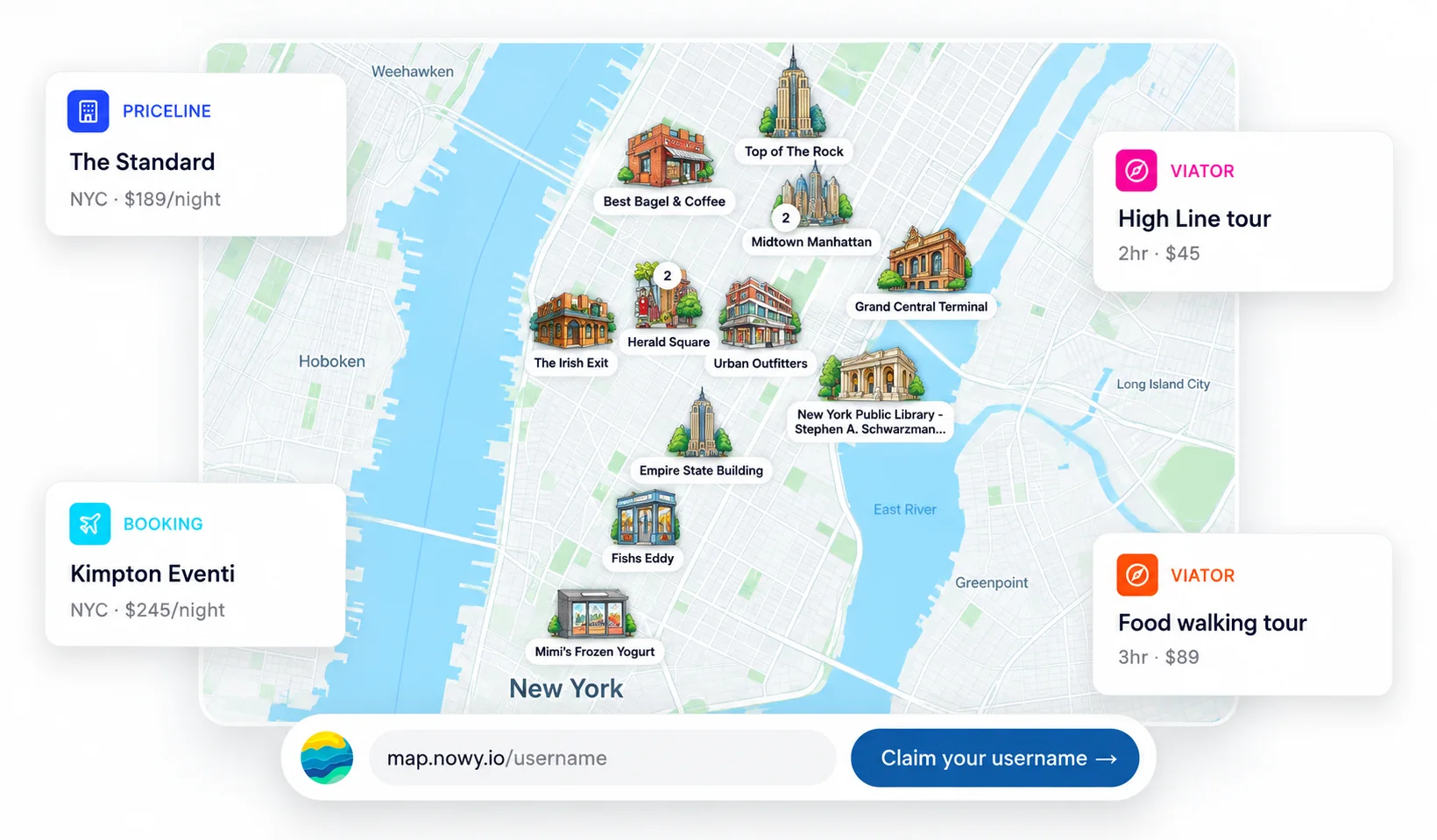
So if you are going to sell your itineraries, and you should, sell something that lives. Put your guide at a link, connected to the posts that made people want it, with your places on a map. When a restaurant closes, you fix it once. Every buyer sees the fix. Your guide stays right. Your name stays trusted.
One more thing. It should stay visibly yours. Your words, your photos, your opinions. Let AI organize your recommendations and keep them current, but your voice is what people are paying for. Sprout Social found that 64% of consumers engage most with genuine, unbiased influencer reviews. The organizing can be automated. The taste has to be you.
How Can Travel Creators Earn Recurring Commission Income From Direct Itinerary Bookings?

This is the “get paid to travel” part, and it is simpler than people think.
Your followers are going to book that hotel anyway. They are going to book that tour anyway. The only question is whether your name is attached to the booking. For most creators, it isn’t. They watch your Reel, screenshot your DM, open a booking site, and the commission goes to nobody.
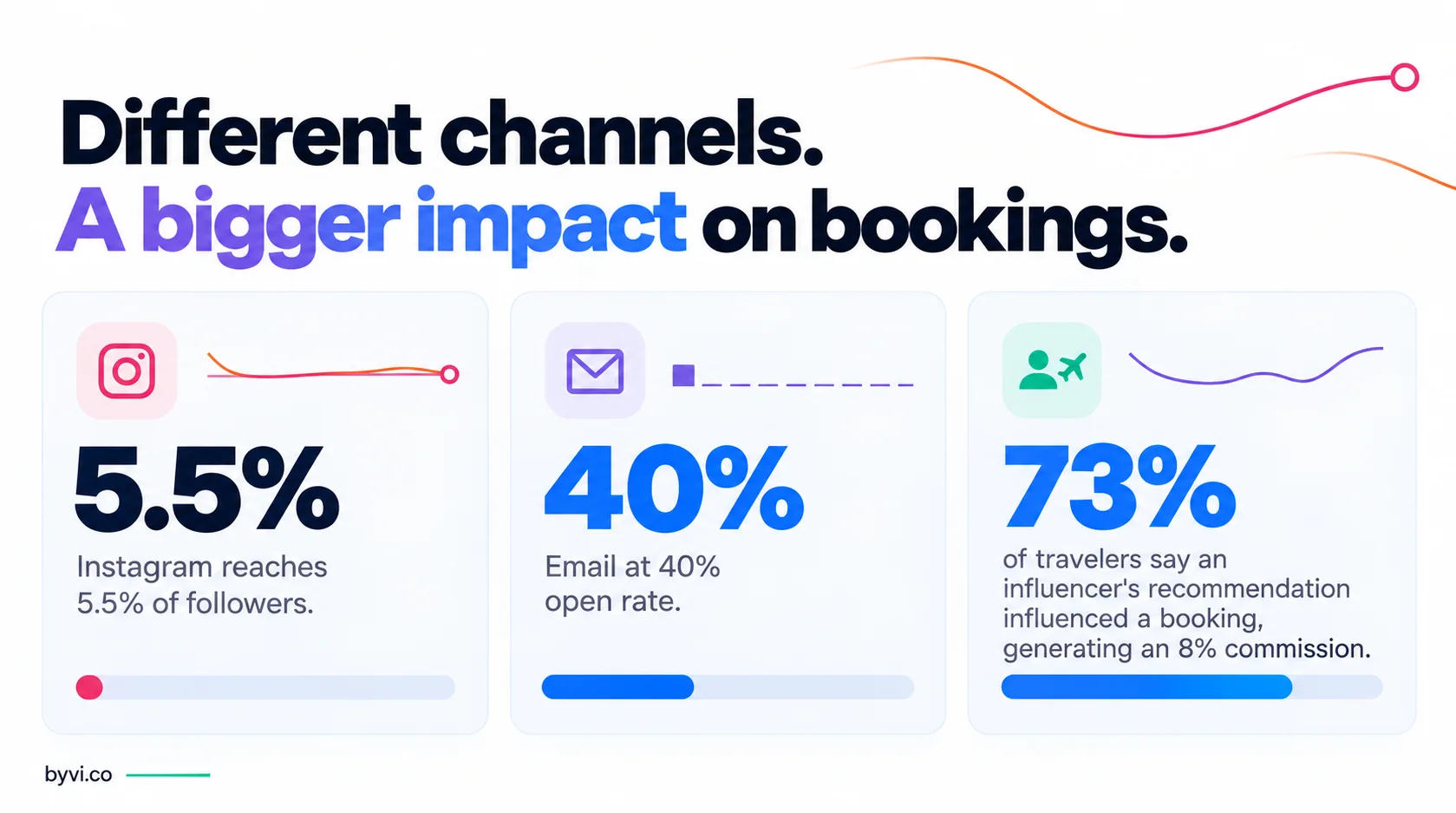
And the demand is bigger than most creators realize. Expedia’s 2025 Traveler Value Index found that 61% of travelers now find trip ideas on social media, up from 35% in 2022. And 73% say an influencer’s recommendation influenced a booking. Those travelers are already in your DMs. They just can’t book through you.
When your recommendations live on a map with booking built in, the flow changes. Your follower reads your guide. She taps the hotel you actually stayed at. She books it right there. You earn from that booking. Nothing changes for her. Everything changes for you, because you have stopped doing free travel agent work.
Let me make the money concrete. Viator’s partner program pays 8% commission on any experience booked within 30 days of a click. On a $200 food tour, that single tap generates $16 in commission, and you didn’t answer a single DM to make it happen. Multiply that across every follower who takes your itinerary. That is how “where did you eat” turns into recurring income.
This is exactly why we built Nowy the way we did. It’s free for the creator. We only make money when she does, when a traveler books through her map with partners like Priceline and Viator. If she doesn’t earn, we don’t earn. The risk comes off her and onto us. And more than 20,000 travelers already use Nowy to plan trips. Your recommendations land in front of people deciding where to go.
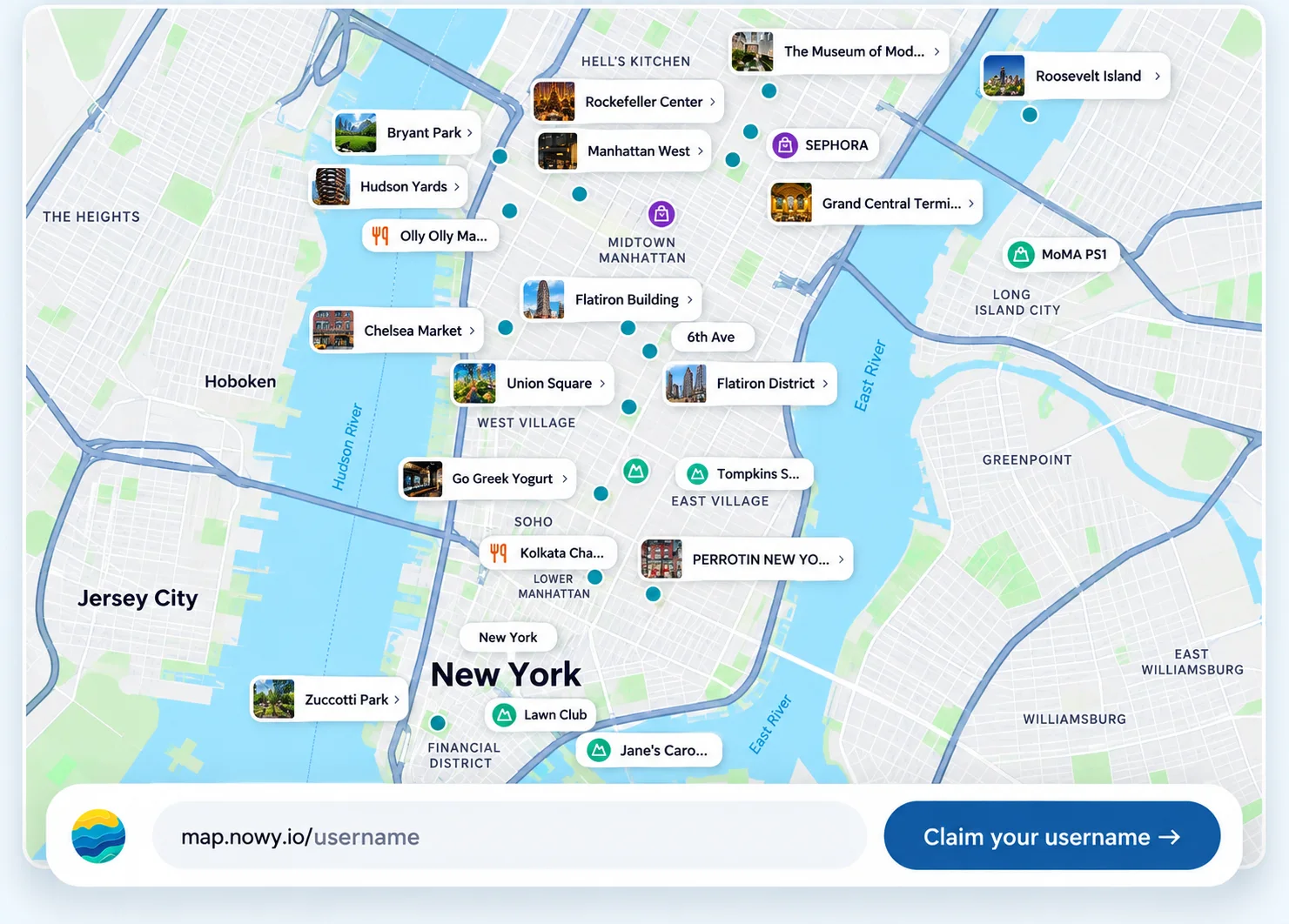
Think about trips you have already taken. Every post in your back catalogue becomes inventory. A place on a map that can earn while you are at your day job. For a part-time creator, this is what getting paid to travel actually looks like. The last trip helps pay for the next one.
Why Should Travel Creators Invest in Tools That Build Audience Ownership and Data Control?
Now, an honest correction. Someone once pushed back on my “only pay for what pays you back” line, and they were right. I said it a little too absolutely.
Not every upfront cost is a waste. Some are exactly what you should be spending on, even before they pay off. For me, the real line is a different one. Does this expense make me more dependent on someone else’s platform? Or does it make me own more of my business? Those are two completely different things.
The best example is an email list. Absolutely invest in one, even before it pays off. On Instagram, a page your size reaches about 5.5% of its followers per post. Email open rates average just under 40%. Your own list reaches roughly seven times as many of your people. No algorithm can take it from you. That is owning your audience instead of renting it. Totally worth paying for, right? The math works.
Same idea with data. If a tool shows you what is converting and what your audience actually books, that is control over your own business. Worth every dollar.
That is also how I think about our own paid tier. Nowy is free to start. Anything you would ever pay us for should pass the same test. Does it make you own more, or see more? If it only keeps the lights on, don’t pay for it.
What Is the Complete Monetization Playbook for Travel Content Creators Using Nowy?
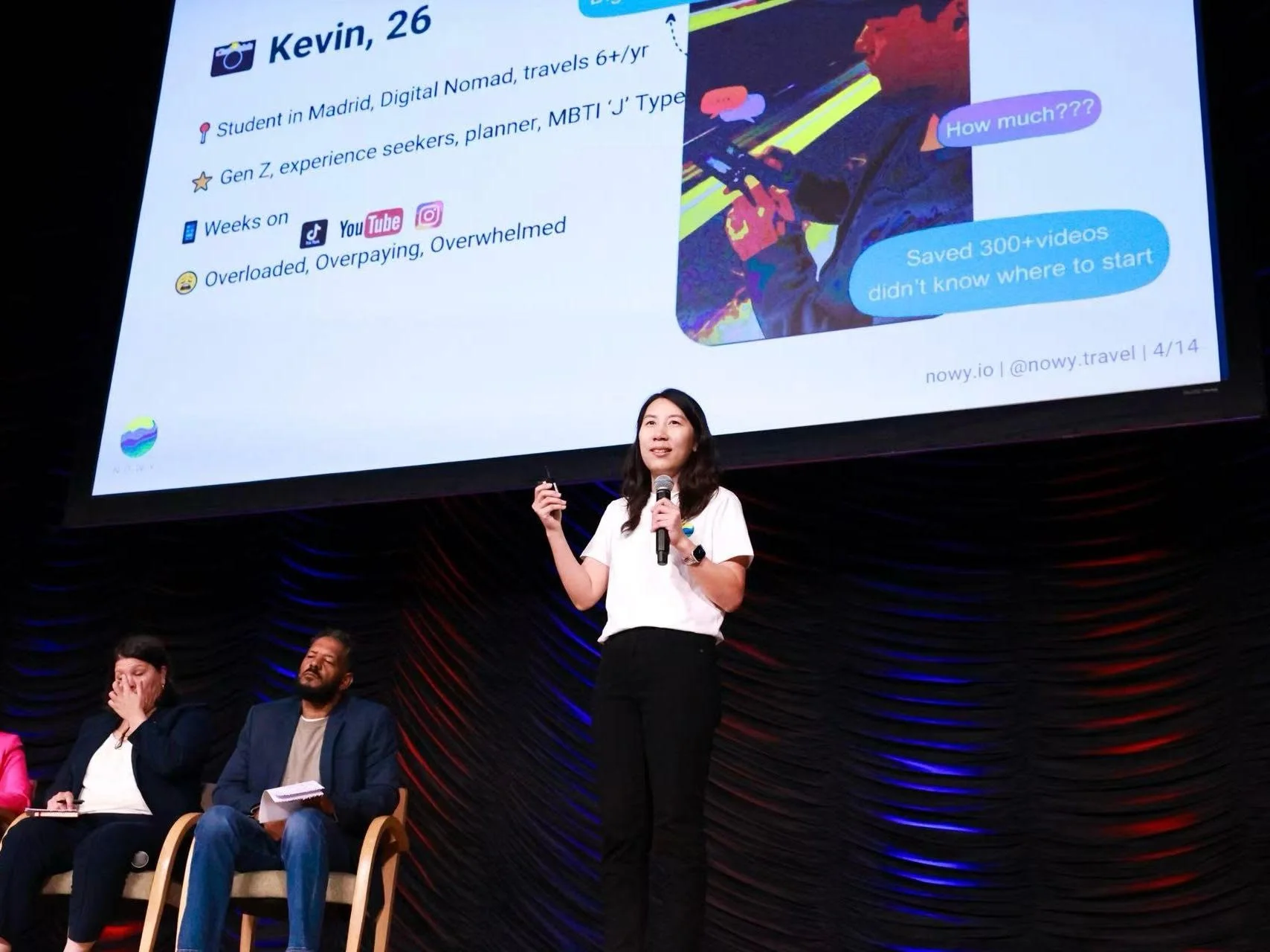
When I was a kid in Guangzhou, my father said the same three words before every trip. “Now we go.” That is where Nowy‘s name comes from. It is the feeling right before a trip, when everything is possible. Your followers feel that when they watch your Reels. That is what they are trying to buy from you.
So here is the whole playbook. Notice where you are doing free travel agent work. Run the ROI test on your tool stack and cut what only holds stock. Package your taste into a guide that lives and updates. Route the bookings back to you. Spend real money only where it makes you own more.
You already have the taste, the trips, and the audience. Keep it alive, and let the value come back to you.
Then go take the next trip.
FAQs
Yes, but not through unpredictable brand deals. Linktree found 68% of part-time creators make under $1,000 yearly. To change that math, stop waiting for sponsorships. Turn your existing trips into dynamic, bookable guides. That is how your audience size converts into actual, recurring revenue you control.
You map your back catalogue. Travelers plan ahead – American Express notes 54% plan major trips three to six months out. By indexing old posts into a living map, a follower finding an old Reel can seamlessly book that hotel or Viator tour, earning you passive income.
Free stays don’t pay your bills or build an asset you own. With 10K – 50K followers, brand deals are too lumpy to rely on. Getting paid to travel means capturing the real demand in your DMs. Route your followers to your own bookable itineraries, and earn commission on every hotel booking made through your map.
By owning your audience data. An Instagram account your size only reaches about 5.5% of followers per post. Contrast that with email, where average open rates sit near 40%. Move your audience off rented feeds and into your own ecosystem. No algorithm can take that from you. That is worth paying for.
Because a generic storefront just holds stock. It doesn’t solve their immediate planning problem. Furthermore, if you sell a static PDF that goes out of date, buyers lose trust. You must offer a living, updating map where they can instantly book your specific, trusted recommendations.
About the author

Branda is the founder of Nowy, an AI travel app that turns the travel videos you save on social media into personalized, bookable itineraries. Nowy is part of the Google for Startups Innovate Program. Branda grew up in southern China, where her father’s bedtime stories and a worn pocket atlas sparked her love of travel. Before Nowy, she built software for government agencies, solving complex problems with diverse teams. She’s building in public and writes about taking a startup from zero to scale.