Written by Lidia Vijga
Claude can now learn a workflow by watching you do it once, no prompt required. If your startup’s edge is a slick interface, a library of templates, or a bundle of integrations wrapped around a task people repeat, that edge just got a lot easier to copy. Here’s what actually defends a company now, and how to build it.
Pull up your own landing page and read the headline out loud. If the pitch is some version of “the fastest way to [do the thing],” “a beautiful, intuitive interface for your workflow,” “automate your expense reports,” “all your tools in one place,” or “powerful, no-code, and easy to learn”, stop on it for a second. What those lines have in common is that every one of them describes a task a person repeats inside your software. And doing a repeatable task inside software is exactly what an AI just learned to copy by watching.
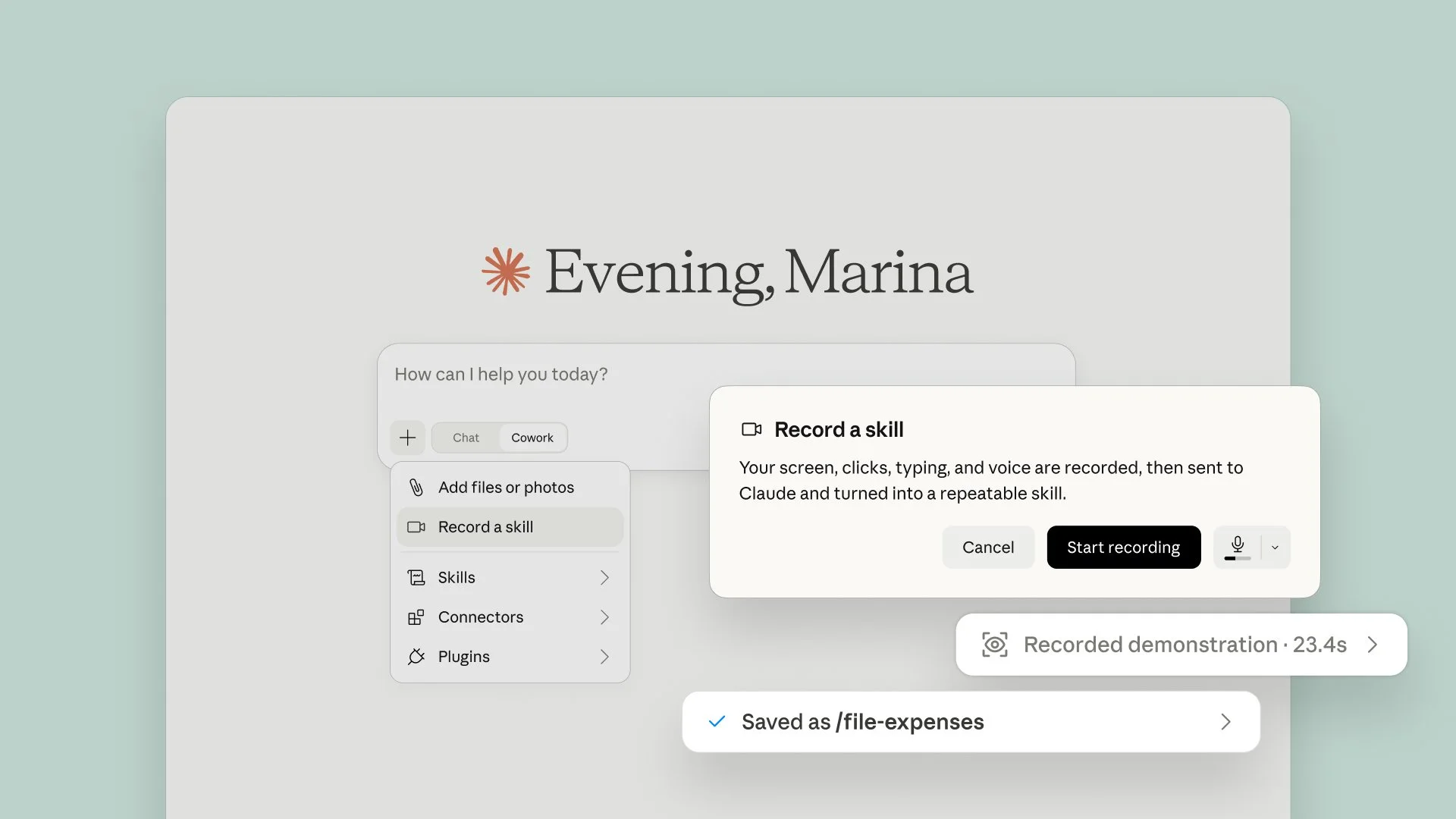
On July 21, 2026, Anthropic shipped a feature in Claude Cowork called Record a skill.
You open the desktop app, hit the “+” menu, start recording, and do a task the way you always do it – clicking, typing, and talking through your reasoning out loud.
When you stop, Claude studies the recording and turns it into a reusable skill it can run again on command. No prompt, no script, no instructions to hand-author. You show it once and it does it forever.
OpenAI shipped a near-identical feature, Record & Replay, in Codex 33 days earlier. When two rival labs converge on the same idea inside a single product cycle, it’s not just a feature anymore. It’s a whole new direction.
And this direction points straight at a whole category of software: products whose value was mostly a nice front-end, a library of templates, or a bundle of integrations wrapped around a task a person repeats.
That is the most replicable thing you can own. And copying it just went from “a rival team and a 6-month head start” to “one afternoon with the recorder running.”
This is already happening, not coming

When Anthropic shipped its Claude Cowork plugins in late January 2026, roughly $285 billion was wiped off software, financial-services and asset-management stocks in a single session, a rout Jefferies’ trading desk nicknamed the “SaaSpocalypse.” By spring, analysts were tallying the damage across enterprise software in the trillions.
So investors were doing blunt math: agents that handle work at the task level mean companies need fewer seats, and per-seat licensing is exactly how most software makes its money.
Then it got specific. 3 days before Anthropic launched Claude Design in April, its chief product officer, Mike Krieger, quietly resigned from Figma’s board.
Anthropic is running the oldest predatory playbook in Big Tech (Save this).
— Milk Road AI (@MilkRoadAI) July 5, 2026
Here is what actually happened.
Anthropic's own Chief Product Officer, Mike Krieger, was sitting on Figma's board and he resigned on April 14, 2026.
Three days later, Anthropic launched Claude Design,… pic.twitter.com/UjBFf16nCK
Claude Design went live on April 17. Figma’s stock fell about 7% the same day. If you use Claude Design, you know that the tool takes a plain-language brief and produces prototypes, slide decks, and landing pages, then hands a website design straight to Claude Code as a build-ready bundle.
For a designer whose job was execution, that’s a large chunk of the work, gone. And investors didn’t read it as a one-company story: Adobe, Wix, and GoDaddy all slid in the same window. The market repriced the entire design-to-publish stack.
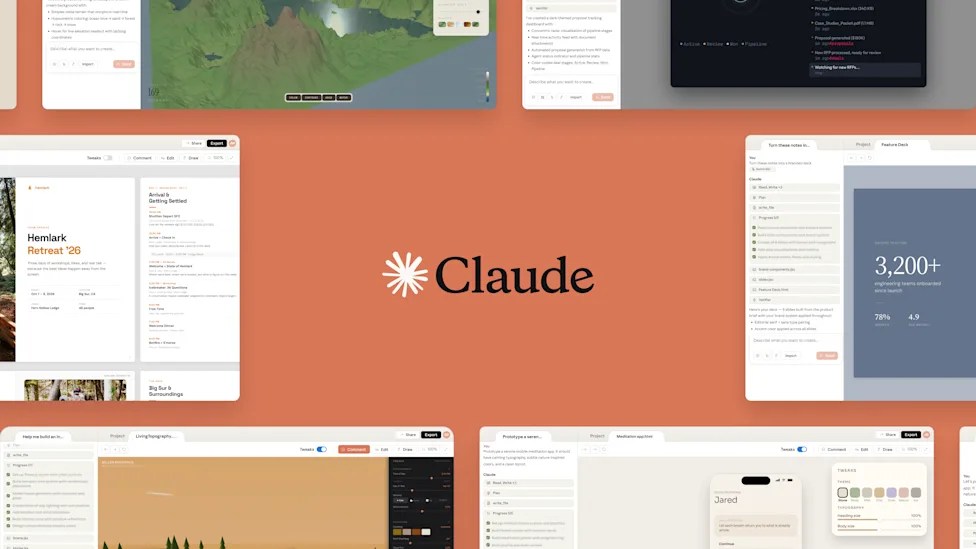


To be fair to the other side of the trade: Figma still owns an estimated 80–90% of professional UI/UX design, Claude Design is a token-hungry research preview, and LLMs remain shaky the moment you edit individual visual elements.
Wedbush called the sell-off an “Armageddon scenario” that’s “far from reality,” and enterprises won’t rip out billions in existing software overnight. Anthropic itself is hedging – partnering with Salesforce, Intuit, and DocuSign rather than only replacing them. The point isn’t that software dies. It’s that the interface stopped being the thing worth defending.
Figma made the point clearest of all: it shook hands with the company supposedly eating its lunch. In February 2026, the two shipped a feature called Code to Canvas that pulls interfaces built in Claude Code straight into Figma as fully editable design layers. You can now type “Send this to Figma,” and running AI-generated code becomes something a designer can drag, tweak, and refine.
It’s a shrewd hedge: rather than pretend agentic coding isn’t happening, Figma made itself the place that work lands. But it also captures the tightrope every incumbent is walking.
As CNBC put it, the risk is that Figma is building a better on-ramp to a highway it no longer controls.
Why a UI is no longer a moat

For 15 years, a great interface was a legitimate edge. Being the tool that made a painful task feel easy could carry a company to a real business, because the alternative (a competitor rebuilding your UX and re-earning your users’ habits) was slow and expensive.
Watch-and-learn agents collapse that. The workflow is the product for a lot of tools, and a workflow is now capturable in a single narrated recording.
Whatever your users do over and over inside your product is precisely what these recorders capture best. If the only thing standing between a user and the outcome is your screens, an agent can increasingly deliver the outcome and skip your screens.
So the strategic question flips from “do we have the best interface?” to “do we have anything a recording can’t capture?”
That reframing is the whole game. Below is where I’d look.
What actually defends you now
Six things a screen recording can’t capture. Build for these.
1. Proprietary data that compounds.
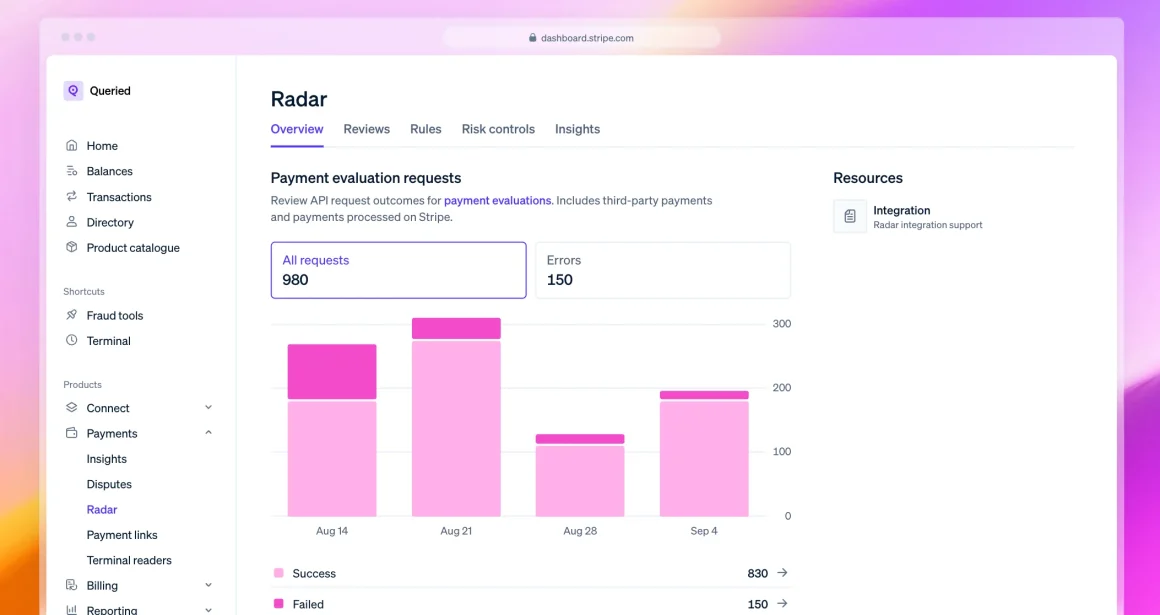
Not “we have data”, everyone says that. Data you uniquely generate and that gets better the more your product is used: repayment outcomes for a lender, real-world delivery times for a logistics tool, conversion results tied to specific decisions.
An agent can watch your screen and copy the workflow but it cannot reconstruct a dataset built from a hundred thousand real outcomes it never saw. The moat that keeps a Bloomberg Terminal or Stripe’s Radar fraud models hard to touch.
Actionable version: instrument your product to capture results, not just actions, and close the feedback loop so every use makes the underlying model or benchmark sharper. The workflow is copyable. But your compounding dataset is not.
2. Be the system of record.
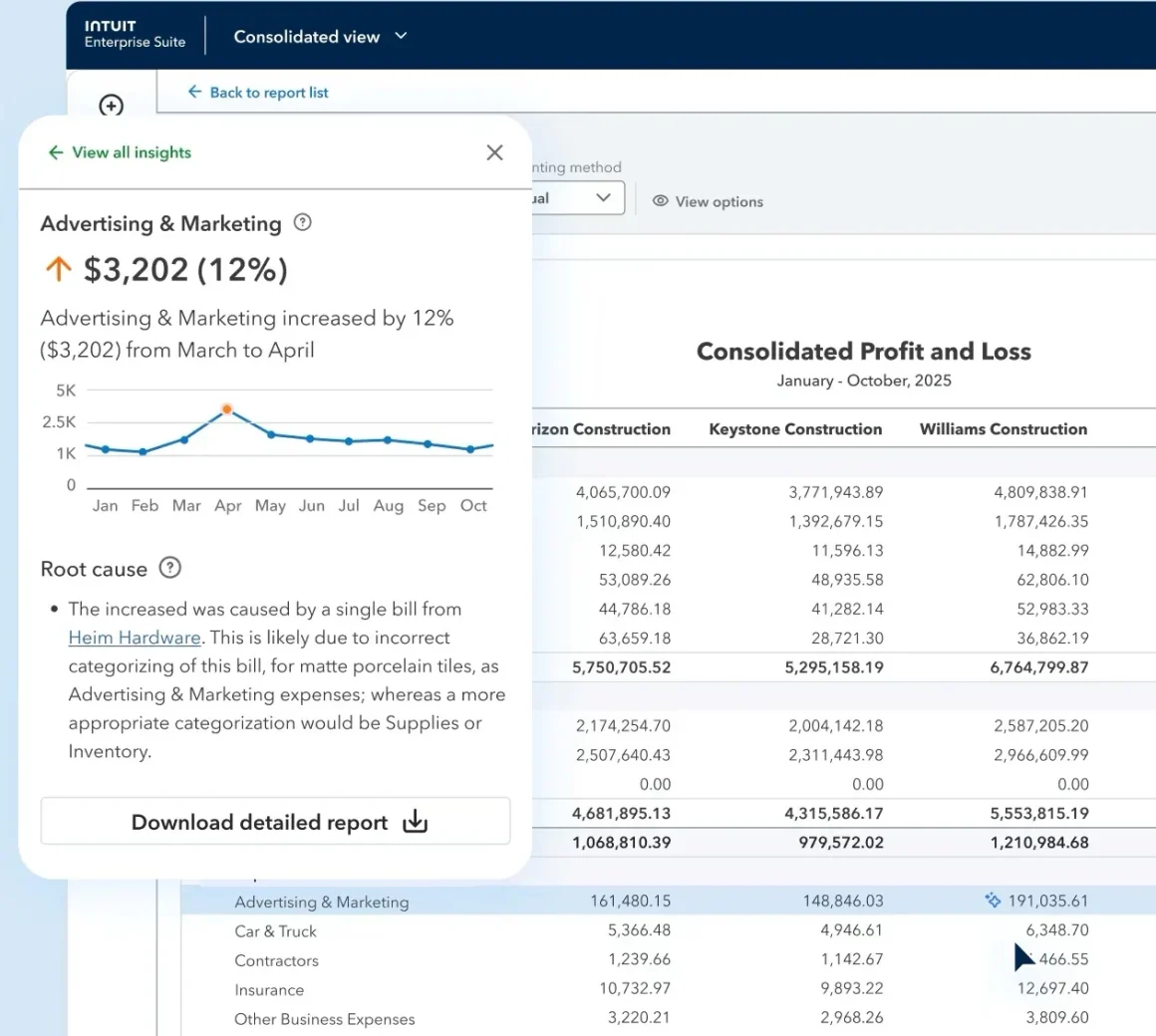
Agents are getting very good at reading data and taking actions, but someone still has to be the authoritative ledger: the place data actually lives, where changes are committed with permissions, audit trails, and integrity guarantees.
If you’re a thin view on top of someone else’s source of truth, you’re the most replaceable layer in the stack. If you’re where the data is born and held, you’re infrastructure, and the agents end up routing through you.
You must own the write layer, not just the read.
In plainer terms: own the place data is created and changed, not just a view that displays data living elsewhere. It’s why a Salesforce or a QuickBooks is sticky in a way a dashboard sitting on top of them never is.
3. Real network effects.
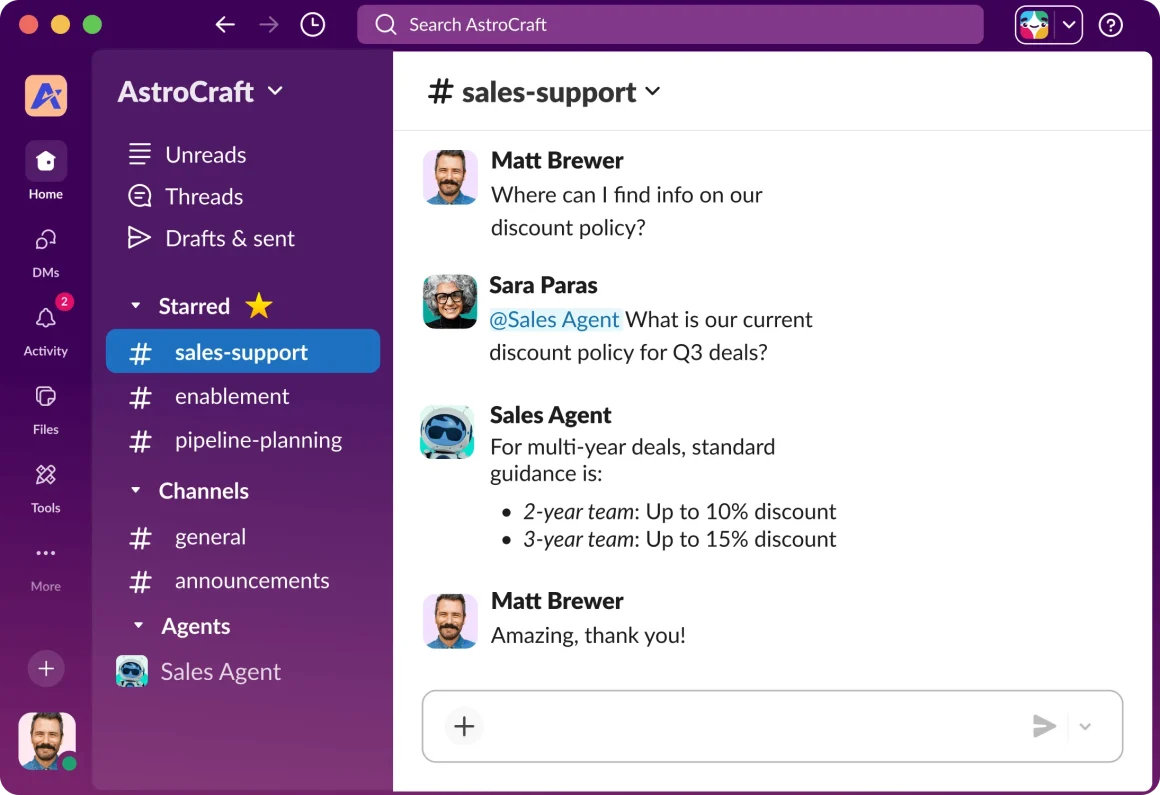
Value that grows with each user in a way no one can clone by copying your front-end: marketplaces, collaboration where the graph itself is the product, data network effects where one customer’s usage improves the product for the next.
Slack is the clearest case. Anyone can rebuild the chat interface in a weekend, but no one can rebuild the years of messages, channels, and integrations your whole company has wired into it.
A recording captures one user’s workflow. It can’t capture the millions of connections between your users, and those connections are the moat.
4. Be the accountable party in high-stakes work.
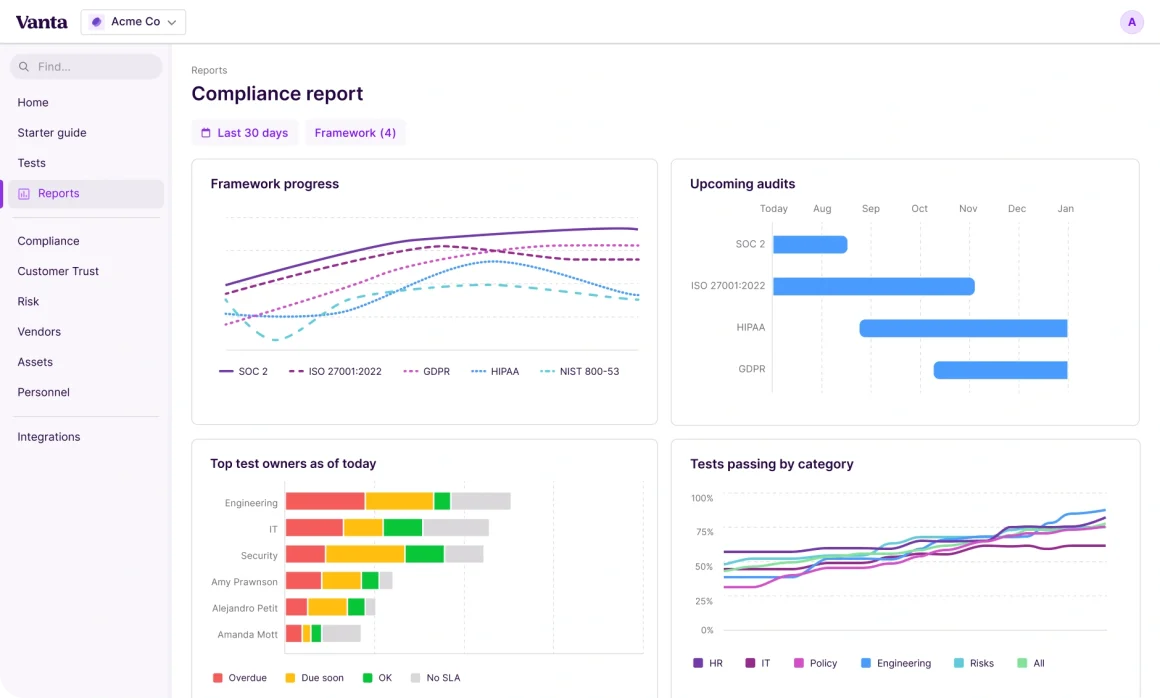
In regulated or consequential domains (health, finance, legal, safety) someone has to be licensed, insured, auditable, and liable. An agent can draft the filing, but it can’t be the certified entity that signs it and carries the risk. If your business sits where trust and accountability are structurally required, you own a position agents can’t take by watching a screen.
It’s the moat under a Gusto, a Carta, or a Vanta, where someone has to be the accountable party of record when payroll, a cap table, or a compliance audit is wrong.
Lean into the compliance, the certifications, and the “human who is responsible”.
5. Own distribution and brand.

When capability commoditizes, distribution becomes the scarce asset. The company users think of first, trust with their data, and already have a relationship with wins even when the underlying task gets automated.
Founders under-invest here because it feels less defensible than tech, but right now it’s the opposite. Owning the customer relationship and the channel is one of the few edges an agent can’t reproduce from a demo. HubSpot and Canva didn’t win on features alone, they both won on being the name people already reach for.
6. Be the tool the agent calls
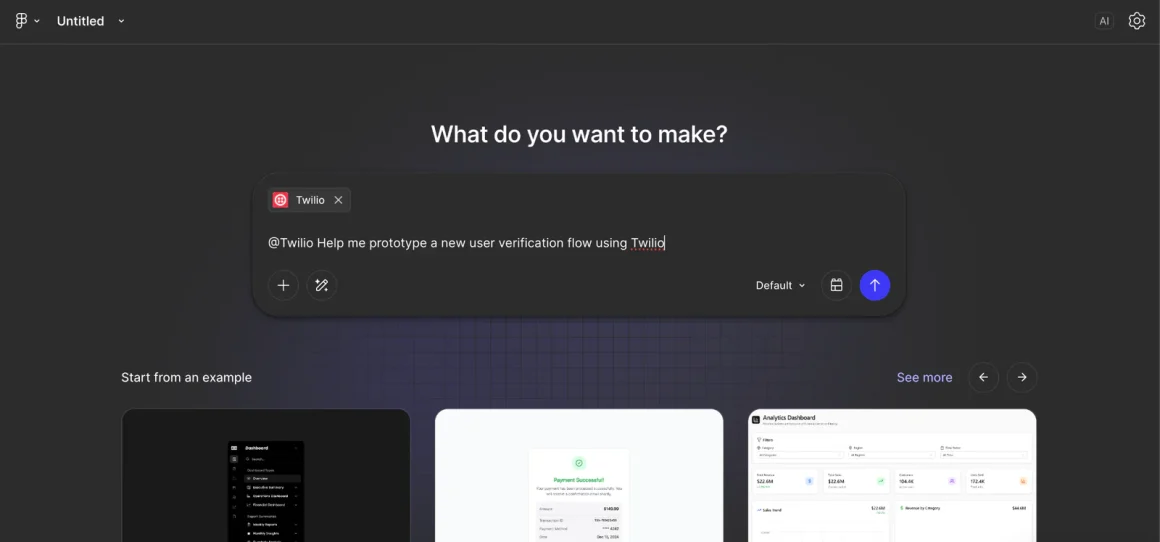
Stop standing in the agent’s path, become the thing it calls. Expose your product as a tool, skill, or MCP server that Claude and Codex route to for a specialized capability they can’t do well themselves.
Be the best node in an agentic workflow rather than a UI the agent bypasses. So become the Twilio of your niche, the thing agents route through, not around.
And move off per-seat pricing, which is the exact model the market is punishing. Price the outcome or the usage, so your revenue grows with value delivered rather than with headcount that agents are about to shrink.
The bottom line
Prompting isn’t dead, and neither is software. But the ground shifted, and it shifted under a specific kind of company: the one whose edge was a lovely interface for a task people repeat. If that’s you, this is the year to build something durable underneath it.
The defensible positions are the ones an agent can’t cheaply reproduce by watching: proprietary data that compounds, being the system of record, real network effects, structural accountability, distribution, and being the capability the agents depend on rather than the layer they route around. Those are the real product, and no recording can reach them.
So build that. Build the company agents route through, lean on, and depend on. The most capable tools the industry has ever shipped are now aimed squarely at the grunt work, which frees you to pour your energy into the things that were always going to decide whether you win.
The founders who spend the next few years building something a recording can’t capture are the ones this era belongs to.