Written by Lidia Vijga
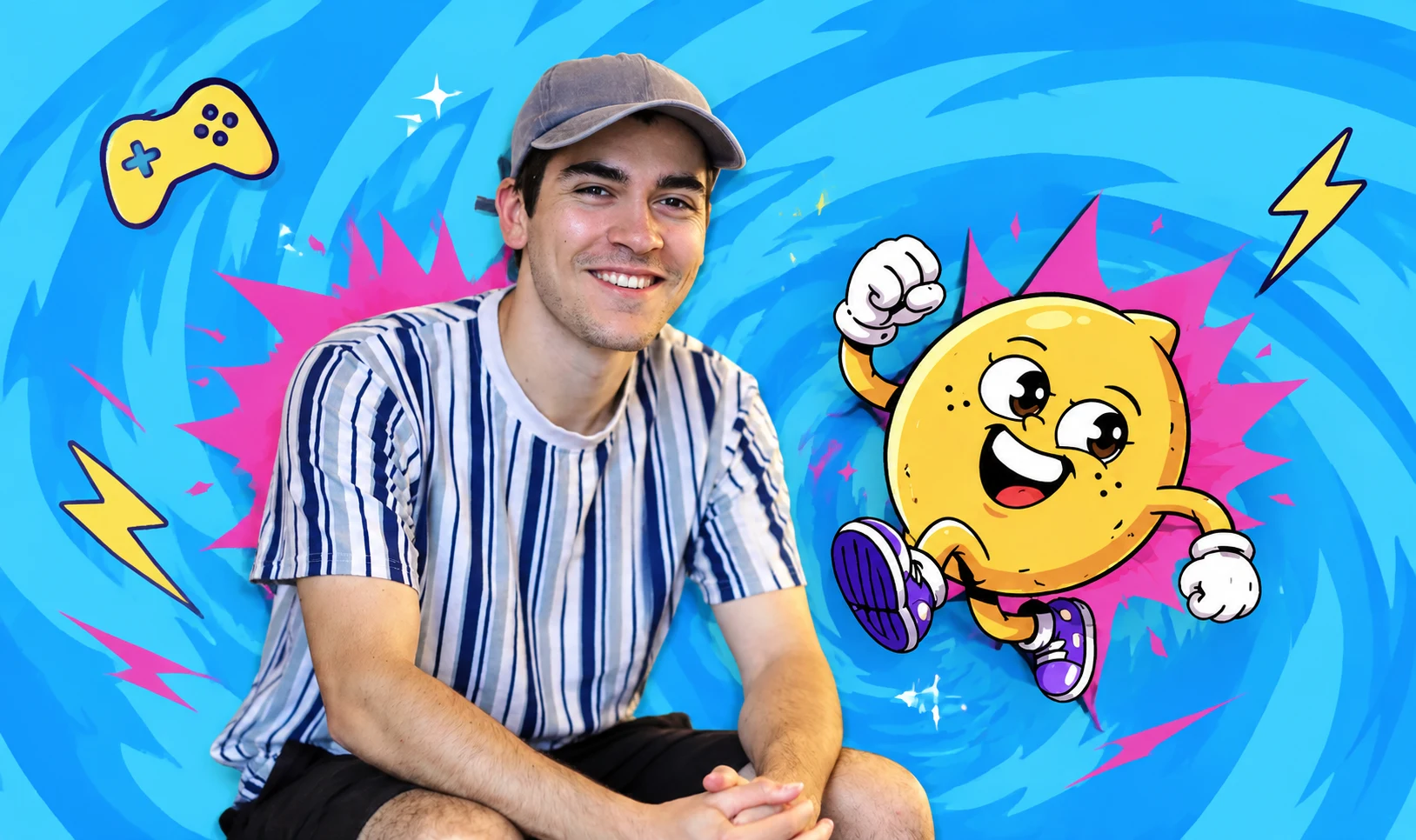
You own the audience every game studio spends millions chasing. So why rent it out for sponsorship reads when you could build something your fans actually play? Joel Diab builds custom games for content creators, funds them himself, and only makes money if you do.
This is how it works, what it costs, and how to tell if it’s right for you.
The $2.50 that started a studio
Joel Diab spent $1,000 advertising his first mobile game, Meme Runner, and made $2.50 from it. All of it came from one player in Australia.
Joel didn’t quit. He’d learned what his real problem was, and it had nothing to do with the game. The struggle was getting anyone to notice it, and that cost more than the game could ever earn back. He’d tried everything to get Meme Runner in front of players, organic posts, user-generated content, even paying the creators who run Subway Surfers footage behind an AI voice reading Reddit threads, asking if they’d swap in his gameplay. Nothing worked at a price that made sense. “Distribution is hard, distribution is expensive,” he told me.
So he flipped the problem. Instead of paying strangers to reach an audience, build games for people who already own one. Content creators.
That’s the whole idea behind Lemon Tree Studio: a custom game for content creators, built and funded by Joel, at no cost to the creator.
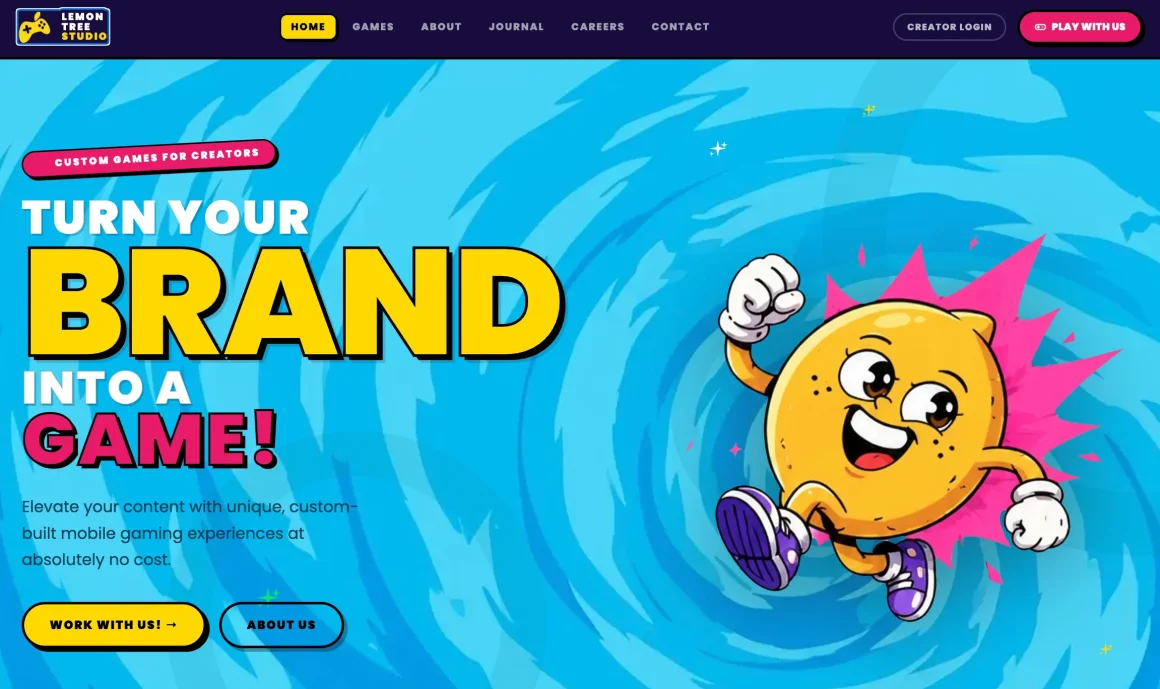
He sent 100 cold emails to land his first client. One replied, only because they happened to want a mobile game that same week. Pure luck, he admits, but enough to prove the shape of the thing. He’s been sharpening it ever since.
Why should a content creator make a game?
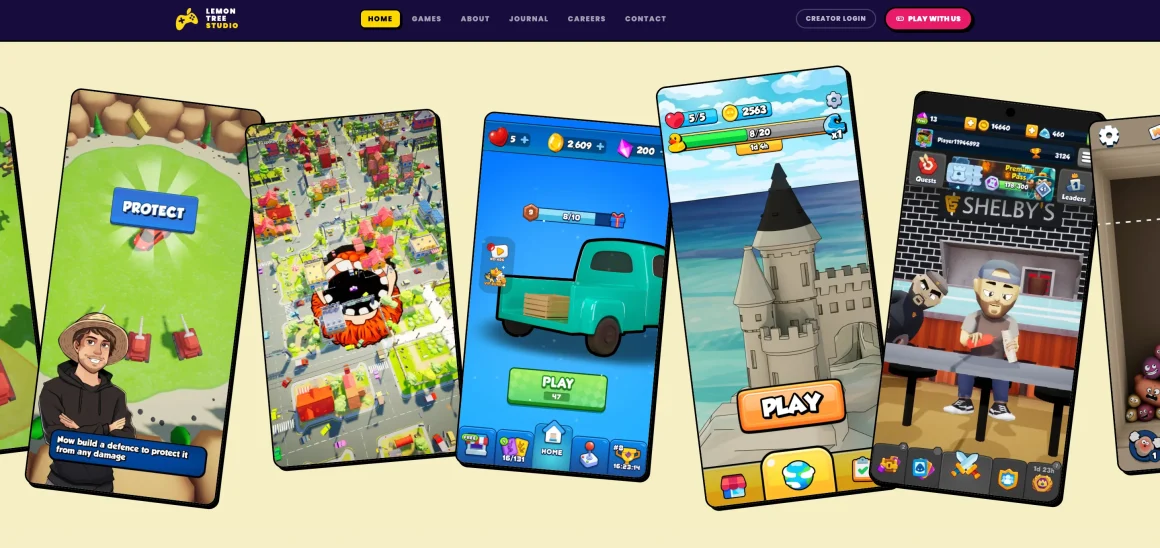
Two facts sit side by side and almost nobody connects them.
- Mobile games are one of the most profitable formats in software.
- And content creators, for all their reach, are chronically short on ways to turn attention into recurring revenue.
Put the two together and the opportunity is obvious. The creator already owns the audience a studio would spend millions to acquire. The studio already owns the thing a creator can monetize far past a single sponsorship read.
And it’s a proven, ruthlessly measured industry: every genre has its own demographic, every game lives or dies on the numbers, and you find out fast whether it works.
The way Joel sees it, a game keeps you in the audience’s life between uploads. “After they stop scrolling, they can still engage with your brand,” he said. A sponsorship ends when the video ends. A game is an extension of the brand that the audience carries with them.
How do you get your own custom game made?
The process is more manageable than most creators expect, which is the point. After a creator books a call, this is the path from idea to a live app.
The process is more manageable than most creators expect, which is the point. After a creator books a call, this is the path from idea to a live app.
1. The concept comes from Joel, not you.
Some creators arrive with a game in mind. Most have no idea, and Joel prefers that. His background is studying what works in mobile and what doesn’t, so he pitches a concept built to fit the audience rather than the creator’s fantasy. Joel says:
“I’m not here to make your dream game. I’m here to make you money”
When a creator pushes for something the numbers won’t support, he talks them out of it before anything gets built.
2. A one-page outline, then a signed contract.
He sends a short one or two page document laying out the concept. Terms get negotiated and signed before real work starts, which is the guardrail that keeps a project from sliding into endless free revisions. Joel learned that the hard way with an early creator who kept requesting changes the contract never allowed.
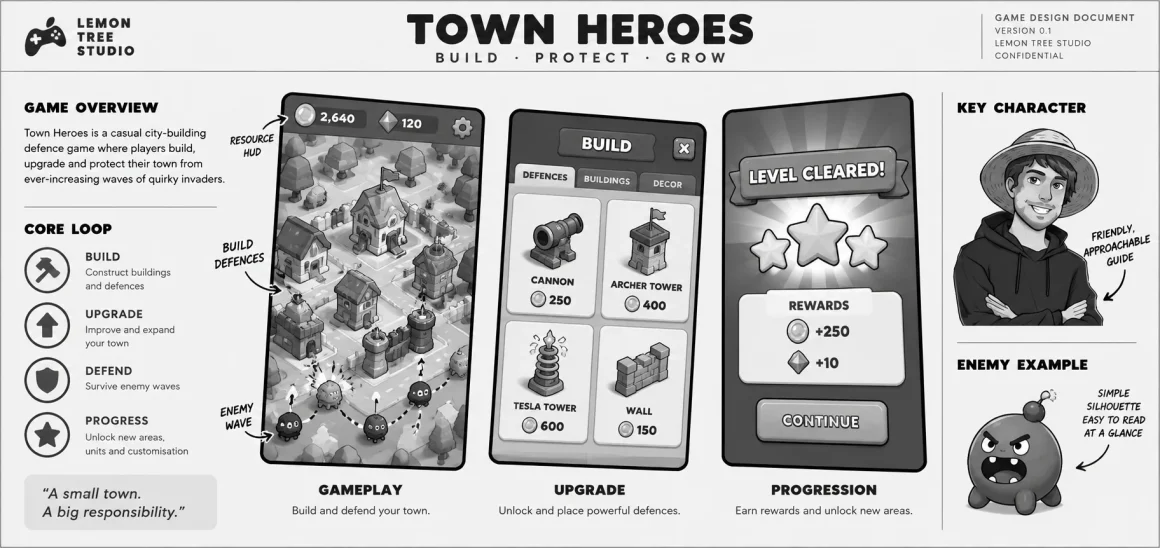
3. A 30-page game design document.
Once signed, Joel writes a full spec, sometimes 30 pages, breaking down every mechanic and screen. This is the real blueprint and where the creator’s input gets locked in.
4. An AI engine builds the first version in about a day.
Over the past few months Joel has tuned his own AI game engine to his style. He feeds it the design document and it produces a working game in roughly a day, then a bit of back and forth after that first version. He quotes clients about a month to be safe, and usually delivers in a week or so.
5. Publishing, with a warning about Apple.
Google Play is quick: approved in about 24 hours, updates live in 30 minutes. Apple is stricter. His latest app was rejected 4 times, once for no stated reason beyond a demand for a video of him using it on an iPhone. .
The creator’s workload across all of this is close to zero unless they want to be hands-on. “You don’t have to do your research. You don’t have to find a game idea. I’ll take care of you,” Joel said. You bring the audience. He builds the rest.
What kind of game should a creator make, and which to avoid?
There’s no single winning genre, but there’s a clear favorite and a clear trap.
The favorite is puzzle. Joel leans toward puzzle games because they’re fast to build, easy to wrap in a brand, and they reach enormous casual audiences.
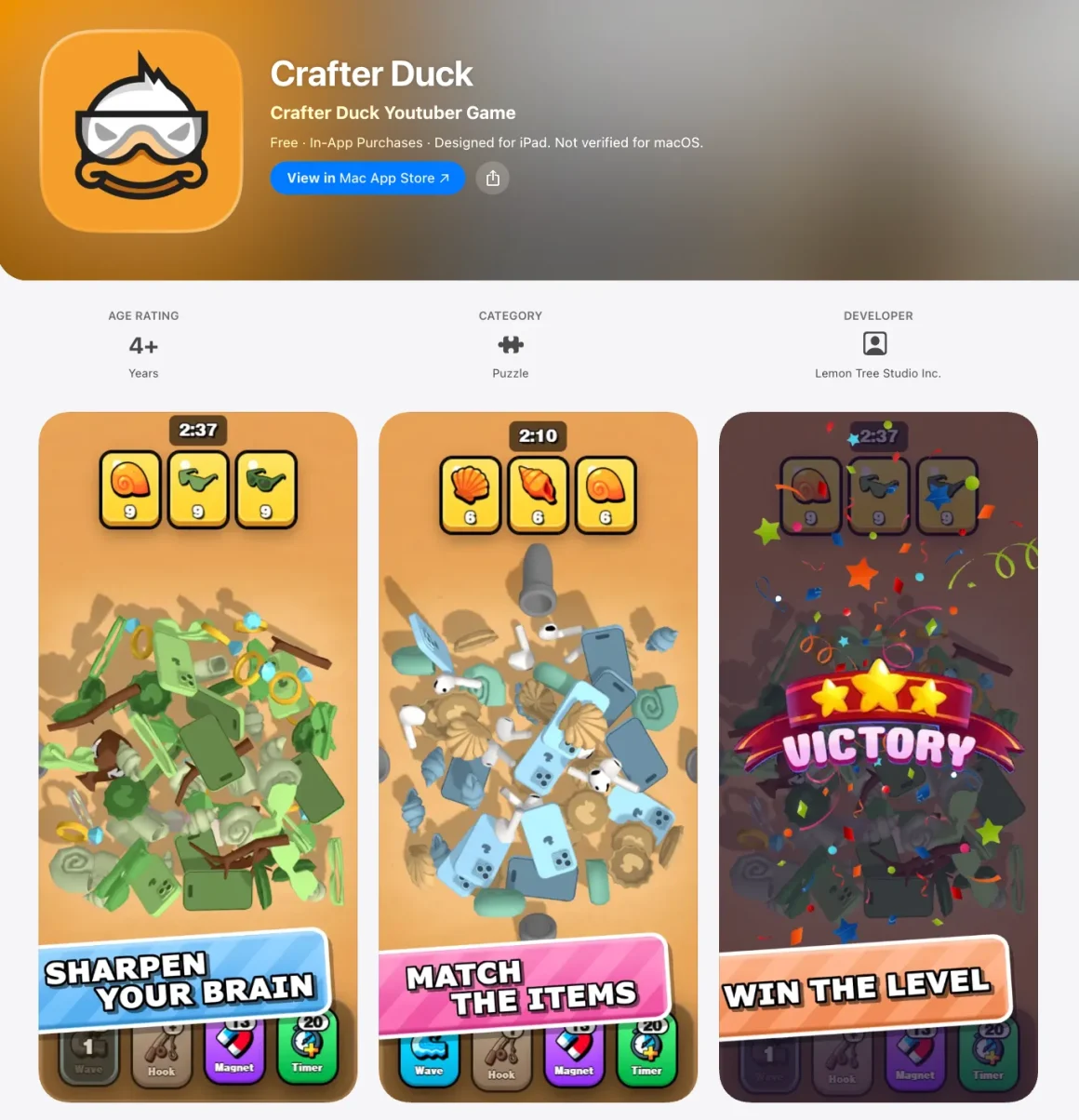
Think Candy Crush, Royal Match, and Block Blast, the kind of titles already paying creators to promote them because the install economics work.
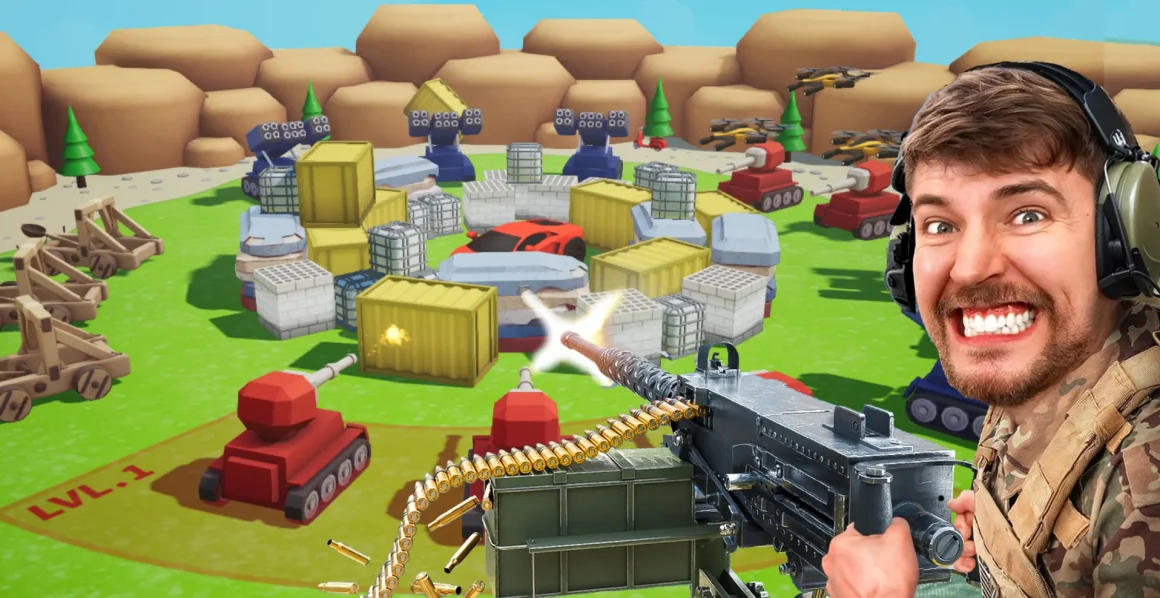
When big studios are already sponsoring small creators with a genre, they’ve done your market research for you. Bigger creators sometimes fit tower defense, but puzzle is the workhorse.
@subwaysurfers Subway Surfers Classic Gameplay 9:16 no copyright – free to use #subwaysurfers ♬ original lyd – Subway Surfers
The trap is the endless runner. Creators ask for a Subway Surfers clone constantly, because they see that footage everywhere and assume their followers want constant movement.
Joel talks them out of it. The genre is dated, monetizes poorly, and its ubiquity is an illusion created by brain-rot background videos, not by players actually choosing to play it.
Puzzle games quietly dominate the casual market that endless runners only appear to own.
The real tailoring happens under an NDA, where Joel maps the audience before he designs anything. Mostly male or female? US or global?
A game for a young female audience gets built differently from one for a male gaming crowd, down to the color palette. The game is engineered around the audience, not the creator’s taste.
How much does a custom game cost, and who owns it?
This is where creators lean in, because the financial risk sits on Joel’s side of the table. Lemon Tree runs 3 tiers.
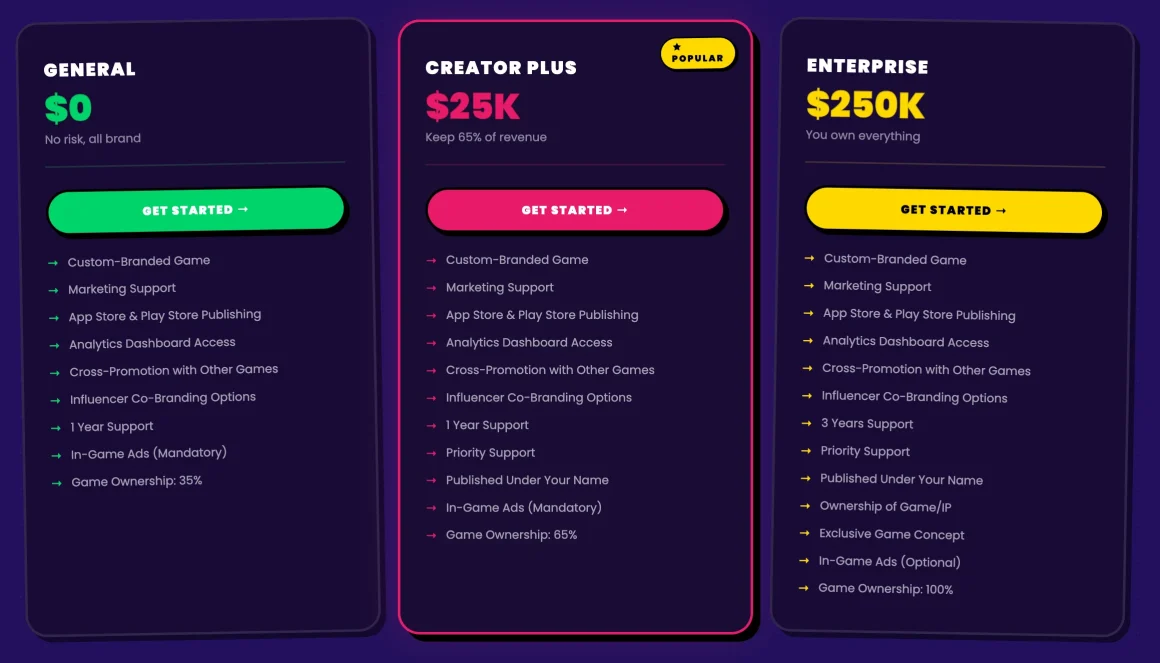
- Free. You pay nothing and Joel funds the build. He keeps 65% of revenue, you keep 35%, and you always own your brand and IP while Lemon Tree owns the game software. You get a year of updates, and once the game grosses $100,000 the split moves to 50/50.
- $25,000 upfront. You cover some of the risk, so the ownership flips: you keep the majority (around 65%) and Lemon Tree keeps 35%, permanently.
- Enterprise (hundreds of thousands). You own 100% of the game and IP, with full creative freedom to monetize however you want.
And it isn’t only for influencers. A cereal brand could put its mascot in a game, a fast-food chain could turn its app into one, and if Joel had his pick, he’d build for Oreo. “That’d be a really cool brand to do a game for,” he says. Any brand with a recognizable name and a distribution advantage is a candidate.
How many followers do you need to make your own game?

The question Joel gets most is how many followers you need. His answer surprises people. “The following doesn’t matter. It’s about audience loyalty.”
He’s seen it fail the expensive way. One of the largest creators he worked with, a channel with shorts pulling hundreds of millions of views, produced a game that flopped. The reach was there and the relationship wasn’t. They scrolled, they didn’t commit. A creator averaging 5 million views on a base of 10,000 genuinely devoted fans will out-earn a creator with reach but no bond.
That’s why he’s drawn to tight communities, pet influencers among them. His first organic inbound was a pet creator, and he’s building a concept with one now.
Before you ask whether you can make a game about your brand, ask whether your audience would actually show up to play it.
Where are custom games for creators headed?
Joel has effectively invented a category. The standard playbook pays creators to promote someone else’s game and eats a high cost per install. His model inverts it: the creator’s own audience installs the game for free, and both sides share the upside.
He’s found only one other operator doing anything similar, and that person has already drifted toward consumer apps, which leaves Joel more or less alone in the space.
He knows it won’t last.
“As soon as they see a lot of these creators are making a lot of money from this, it’s going to be a race.”
Once the big studios notice the free distribution, they’ll pile in. The advantage belongs to whoever builds a roster and locks in relationships first, which is why being early here beats being big.
For a creator, the takeaway is simpler. You already own the expensive part, the audience. The game is now a one-week build and, on the free tier, someone else’s financial risk.
If your community is loyal enough to show up, a custom game becomes something rare: a piece of your brand that keeps playing, keeps earning, and keeps bringing people back long after the video content ends.
Audience plus loyalty is the whole asset. A game is just the part that finally lets you monetize it.
If that sounds like your audience, Joel’s door is open. You can book a call at Lemon Tree Studio, bring what you know about your community, and let him handle the game. “You don’t have to find a game idea,” he says. “I’ll take care of you.”