Written by Assel Beglinova
Belgian Boys started with a college student who missed the waffles from home. More than a decade later, CEO Anouck Gotlib runs a breakfast brand sold in 12,000 stores, after surviving cash crunches, supply chain shocks and one very confused thief. Her playbook covers what every founder eventually needs: how to stay calm when things break, and how to keep winning new customers once you’re on the shelf.
One night, thieves stole a 40-foot shipping container of Belgian Boys pancakes. Sitting next to it was a container full of lobsters.
“They took the wrong one,” Anouck Gotlib told me, laughing. “Can you imagine?”
It’s funny now. At the time, the missing container held so much product and so much money that it almost destroyed the company. “How can a 40-foot container just disappear?” she said. “It did.”
Anouck, the CEO of Belgian Boys, has stopped counting moments like that. “The amount of near-death experiences we had as a company, I stopped counting,” she said. Running out of cash, supply chain problems, manufacturing problems: “You name it, we’ve gone through it.”
Belgian Boys is still here. Its mini pancakes, waffles and crêpes are sold in more than 12,000 stores, including Target, Walmart, Costco, Kroger, Publix and Wegmans. Its first seasonal flavor sold more than the team could supply this fall, and Anouck thinks its newest product is a bestseller.
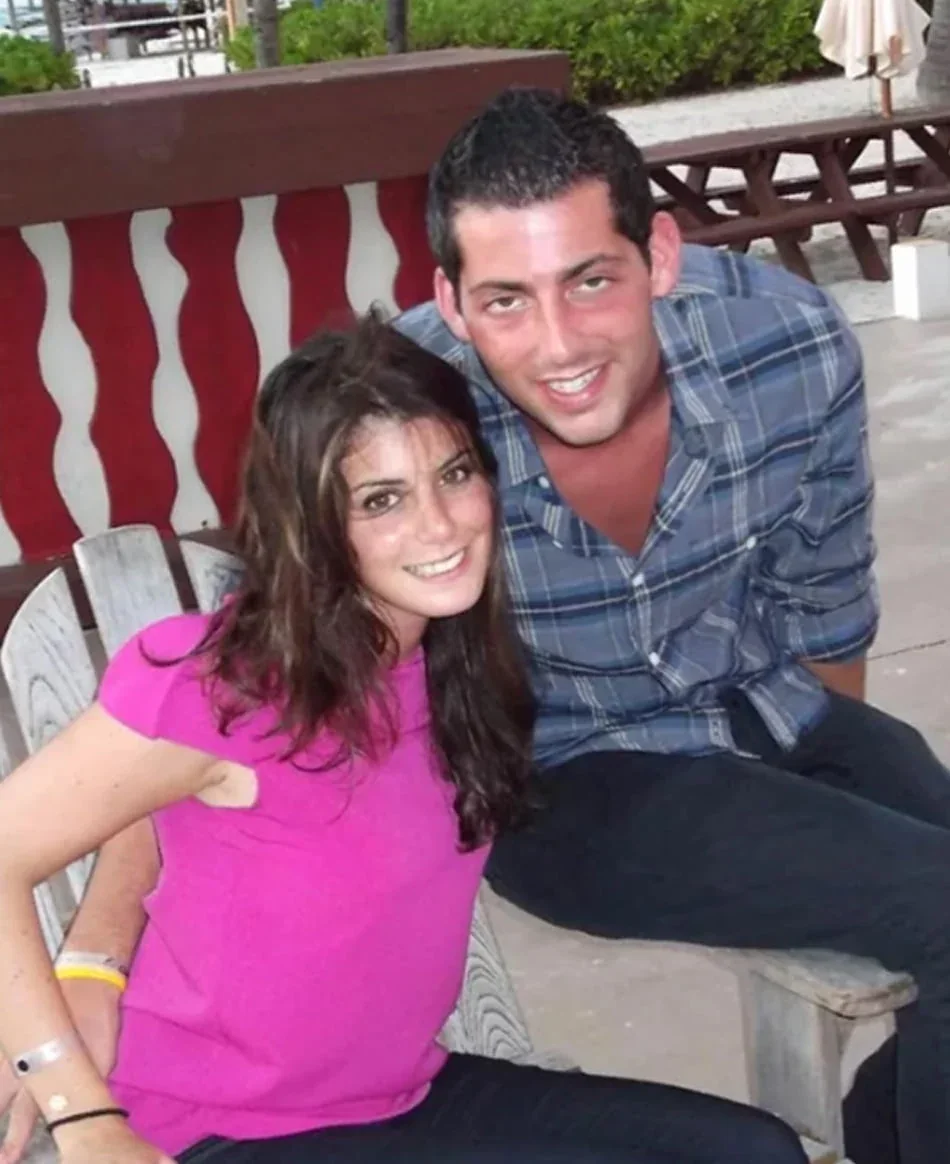
Greg Galel
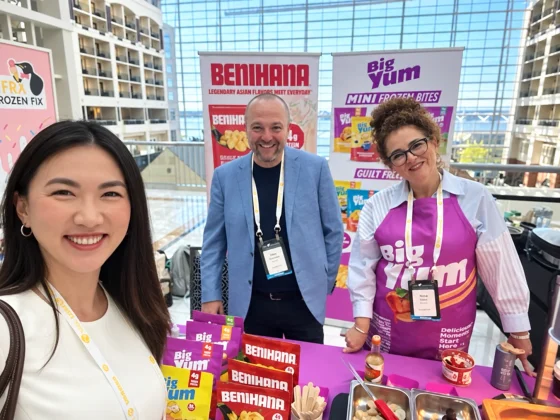
I met Anouck at the 2026 NFRA Convention in National Harbor, Maryland, where frozen and refrigerated food brands meet the retailers who stock them.

I asked her what keeps a food brand alive past the 10-year mark, when so many don’t make it. She started with a line she admits might be a cliché: what doesn’t kill you makes you stronger. Then she explained how she and Greg actually survive the hard weeks, and it’s a playbook any founder can borrow.
How Belgian Boys started with a craving
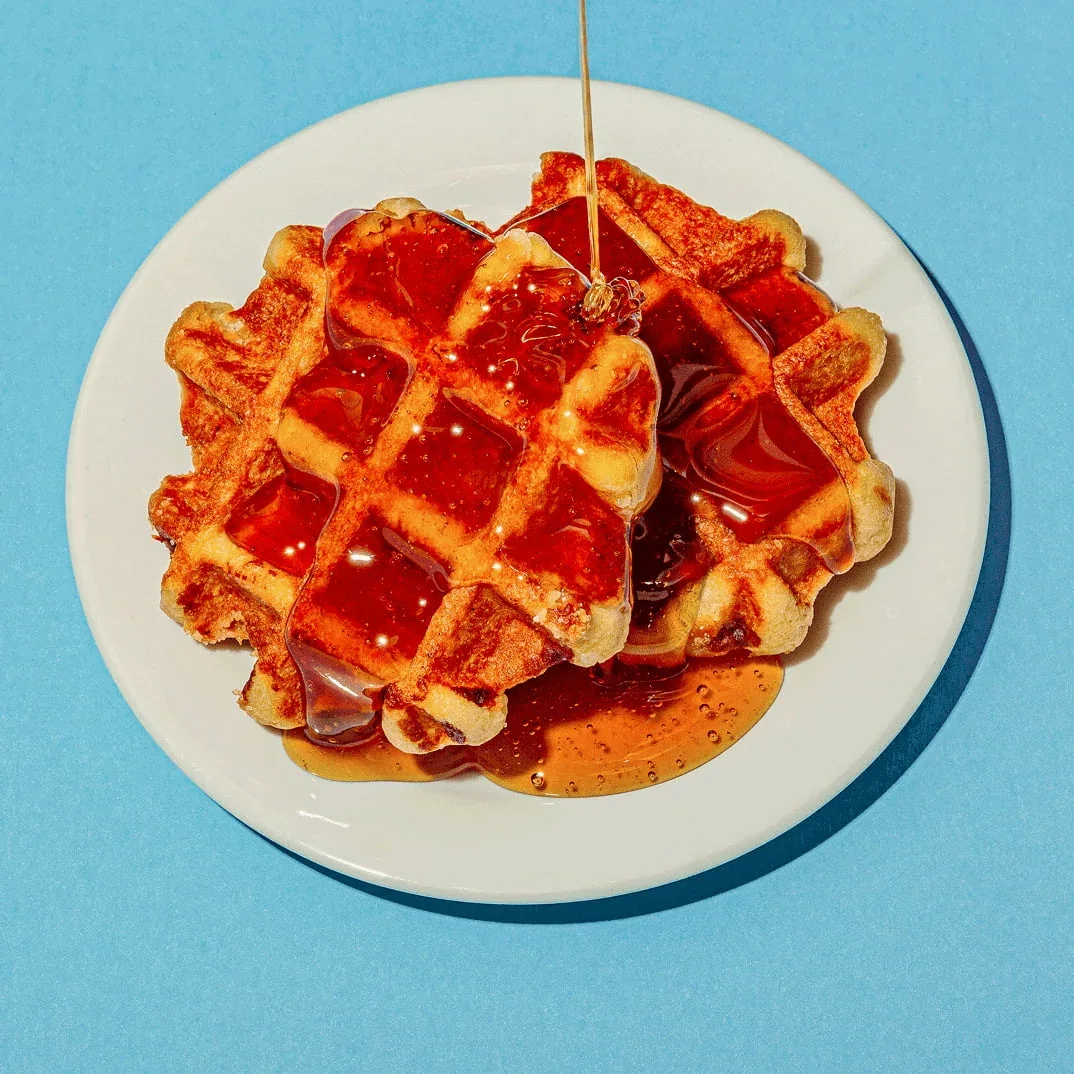
Greg Galel went to college in the U.S., and he brought Belgium with him: waffles, pancakes and cookies, packed for himself. His dorm friends kept asking the same question. “Oh my God, Greg, this is so good. Where can I buy it?” Anouck recalled.
They couldn’t buy it anywhere. So Greg and his childhood friend Joel Davidovici (known to fans as “Chubby” and “Skinny”) created their own line of the Belgian treats they missed from home.
Anouck’s path in was less planned. She grew up in Belgium, studied fashion design and came to New York for a fashion internship, living what she described as a Devil Wears Prada life on 7th Avenue. On a flight from Brussels to New York, she met Greg. They got married and had 3 sons, the original “Belgian Boys.”
She started by designing the brand’s packaging as a side project, then became CEO in 2019. Greg still dreams up the products. Anouck runs the company.
Why Belgian Boys bet on the fridge over the freezer
One early decision shaped everything that followed. In Belgium, ready-made pancakes and crêpes are sold chilled, so Belgian Boys pushed U.S. retailers to stock its breakfast in the refrigerated aisle instead of the freezer. Buyers said no for years.
Then Costco agreed to test the mini pancakes in its refrigerated section, and sales moved 5 times faster.
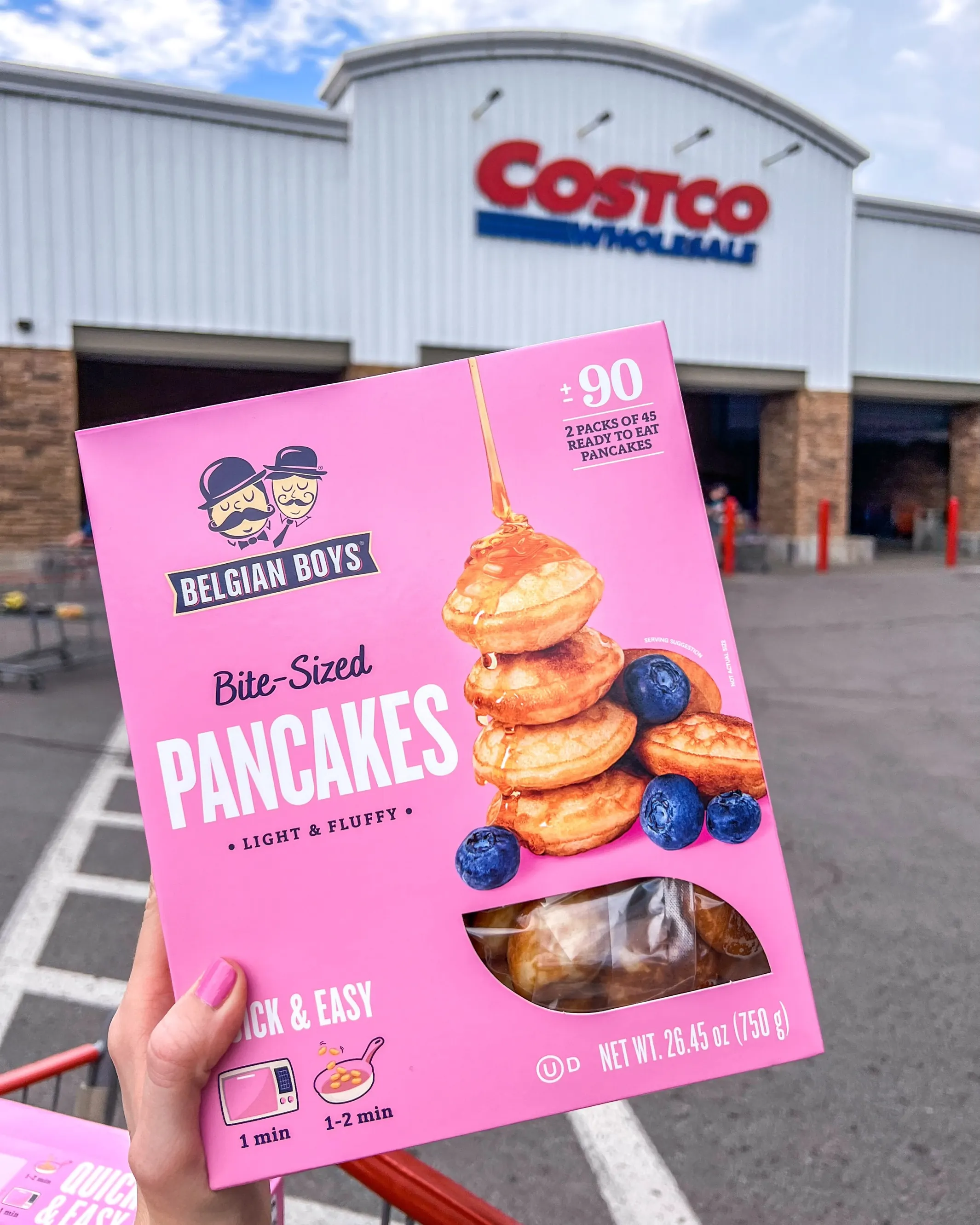
At Target, stores that put Belgian Boys breakfast items in the fridge saw 300% to 500% higher sales velocity than stores that kept them frozen. Walmart started with fresh crêpes in just 65 stores, a rollout Anouck called a “logistical nightmare,” and Belgian Boys grew from there once it had worked out the supply chain.
The lesson for founders: the default placement in your category was set by someone else, often decades ago. If your customers behave differently, test small, collect the numbers and bring them back to the buyer who said no.
How Anouck Gotlib handles near-death moments
The container theft wasn’t the only crisis. When the pandemic hit, Belgian Boys lost clients while online orders spiked, and it had no warehouse to fill them. So Anouck and Greg rented a garage, bought an industrial freezer and shipped 10,000 orders over one summer with help from interns.
What changed most over the years is how Anouck reacts when something breaks. Early on, every problem felt final. “It was like, oh my God, the world’s gonna explode and we’re gonna die,” she said. “Everything’s gonna collapse. And you react in this stress.”
Now she slows down. “I’ve learned over the years to just take a step back, analyze the situation, think and then make a plan of action,” she told me. “Let’s go. We will figure this out, because at the end of the day, you will be okay. You will figure it out.”
Anouck describes 2 ways to handle a plan that falls apart.
“You can fight that wave and say, no, that’s how it should be, or just say, okay, let me ride the current wave that I just got.”

Anouck Gotlib, CEO at Belgian Boys
The second option often works out better, she said. “An unfortunate situation may result in you making adjustments and pivots to your business to actually strengthen it for the future.”
That takes pressure off, too. “There is a next step for everyone,” she said. “It might not be what you initially thought.”
She also leans on her co-founder. “We’re partners in business and partners in life,” she said, so their goals for the company and for their family are completely aligned. In the hard moments, they balance each other out and take turns being the rock.
How Pumpkin Spice turned a limited edition into new customers
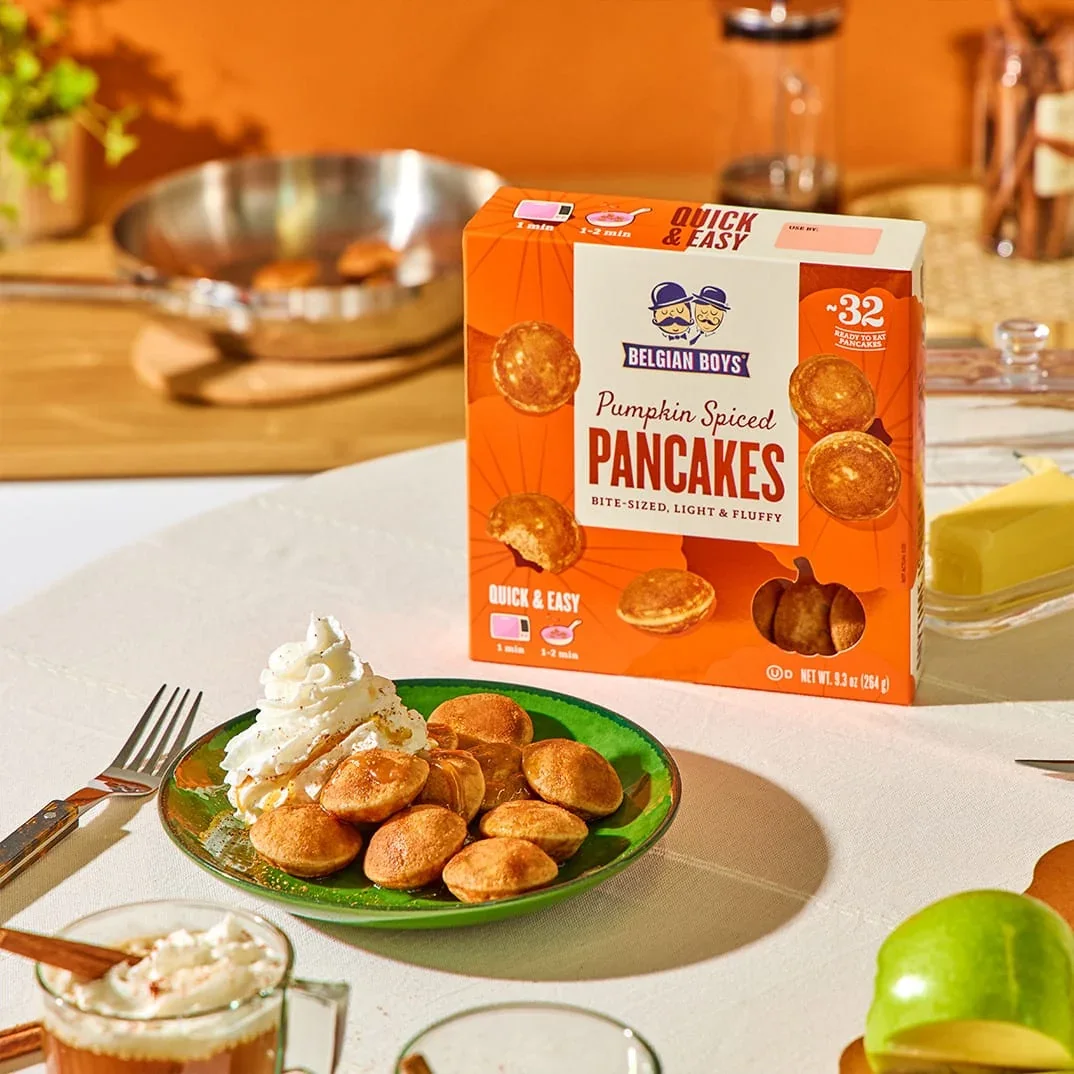
This fall, Belgian Boys launched its first seasonal flavor: Pumpkin Spiced Bite-Sized Pancakes, 32 to a box for $6.99, on shelves from mid-August through October at retailers including Target, Aldi, H-E-B and Wegmans.
It went a little too well. “We oversold on the commitment,” Anouck said. Some customers sent purchase orders, and the team had to tell them the product was gone.
The bigger win is who’s buying. Anouck told me that about 80% of shoppers buying its seasonal launches were new to Belgian Boys. The company calls these limited editions “drops.” Before Pumpkin Spice, it ran Love Bites (heart-shaped pancakes for Valentine’s Day) and Game Day Crêpes, and both brought in a significant number of first-time buyers. A familiar seasonal flavor gives a shopper who’s never heard of you an easy reason to try you.
Starbucks proved how far this can go. The Pumpkin Spice Latte started in 2003 as a test in about 100 stores and became the company’s most successful seasonal drink, with hundreds of millions sold.
Anouck’s 2 rules for making a launch like this work:
- Show up everywhere at once.
Belgian Boys pairs the shelf with what Anouck calls the “digital end cap” (how the product shows up on shoppers’ phones), plus press, influencer content and retail media. She contrasts that with “putting it on the shelf and crossing your fingers and hoping that it works.” - Decide what success means before you launch.
Anouck is clear that a limited-time offer has one job at Belgian Boys: bringing new families to the brand. The 80% figure shows it’s doing that job.
Why mom is the hero at Belgian Boys
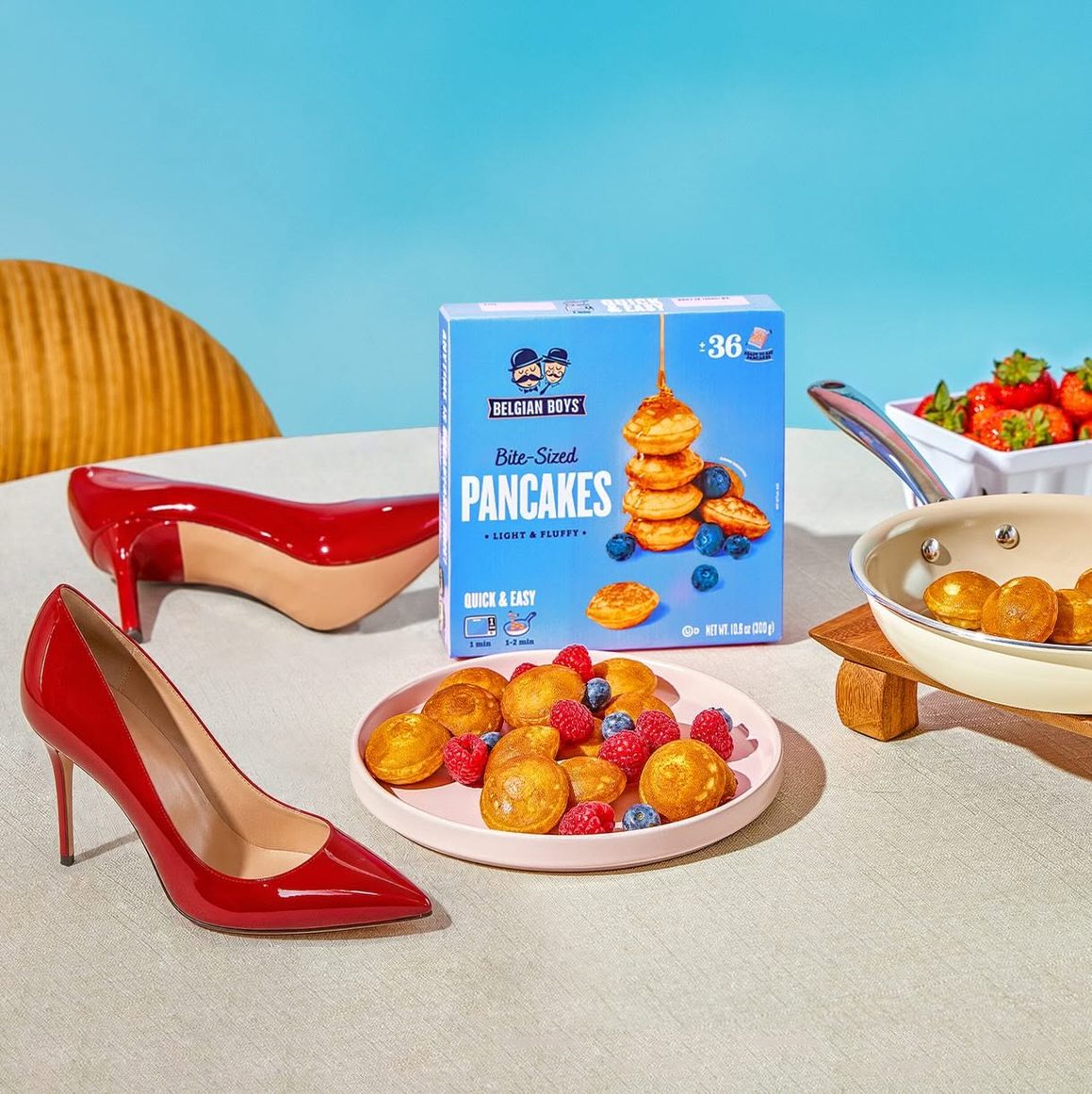
Anouck knows her customer because she is her customer. She describes the morning rush most parents know: “Where’s the shoe? Where’s the homework?” With a hundred things to do, breakfast should be the easy part. It should be quick, convenient and delicious, ideally leaving a parent 5 minutes to sit down with a coffee while everyone eats. “That’s a successful morning,” she said.
Taste comes first:
“You can have the best claims and the most innovative product, but if it doesn’t taste good, nobody buys it again. Our product is delicious. That’s number one.”
“We always say mom’s the hero,” she added. Belgian Boys sees its job as helping her.
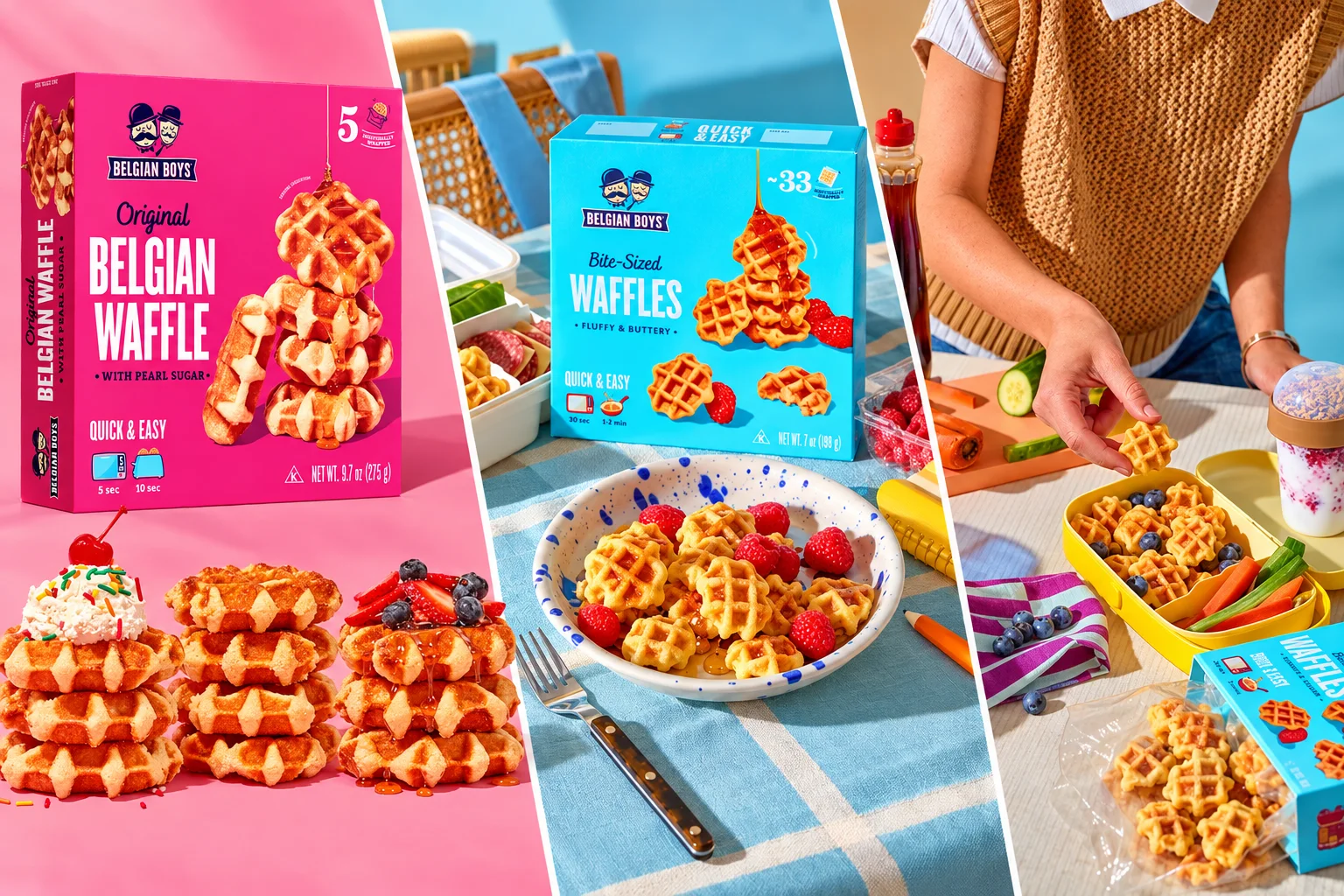
The newest product follows the same thinking. Belgian Boys launched bite-sized mini waffles this year, and the team took its time getting the size, look and taste exactly right. “They are the cutest thing and they are delicious,” Anouck said. After only a few weeks of data, she’s calling it. “12 years into our business, I feel like we just launched a bestseller.”
5 lessons from Belgian Boys for early-stage founders
- Start with a craving real people already share. Greg’s dorm friends asked where to buy his waffles before Belgian Boys existed. That question was the first market test, and it cost nothing.
- Question the shelf your category was given. Retailers wanted Belgian Boys in the freezer. A small Costco test showed the fridge sold 5 times faster, and that data opened doors.
- Give every launch a clear job. Belgian Boys measures its seasonal drops by how many new households they bring in, and about 80% of seasonal buyers were new to the brand.
- Pause before you react. When a plan breaks, step back, look at the situation and make a new plan. Some of Belgian Boys’ best moves came from problems it didn’t choose.
- Make taste the thing you never compromise on. Claims and packaging get the first purchase. Only a product people love gets the second.
Belgian Boys has spent more than a decade being knocked off course and finding a better route each time. And it’s already planning new products for 2027.
Every founder will face their own stolen container. The ones who last take a breath, find the next step and keep making something people can’t wait to have again.
About the Author

Assel Beglinova writes about ecommerce and DTC trends, growth strategy for consumer brands, and how sellers fund their expansion and manage cash flow as they scale. Her work covers the financing questions every consumer brand founder runs into, from revenue-based financing to inventory planning to keeping enough working capital on hand to act on growth opportunities. Assel is the CEO and co-founder of Paperstack, a platform that provides working capital for consumer brands.