Written by Lidia Vijga
Michael Wang started building his piano skill trainer 3 weeks ago, for students he already teaches every week. When he pitched it at Shopify’s Builder Sundays, he asked the room for help with one question: how should it make money? That pitch is a small, sharp lesson in starting from pain you can see, plus a reminder that when your users are kids, “free” can’t mean selling their data.
Michael Wang’s piano students have homework they can’t do alone. Every RCM practical piano exam includes ear tests, and practicing for them usually takes 2 people. “Somebody else will have to play it for you,” Michael explained to a room of builders at Shopify, “and you have to identify by ear.”
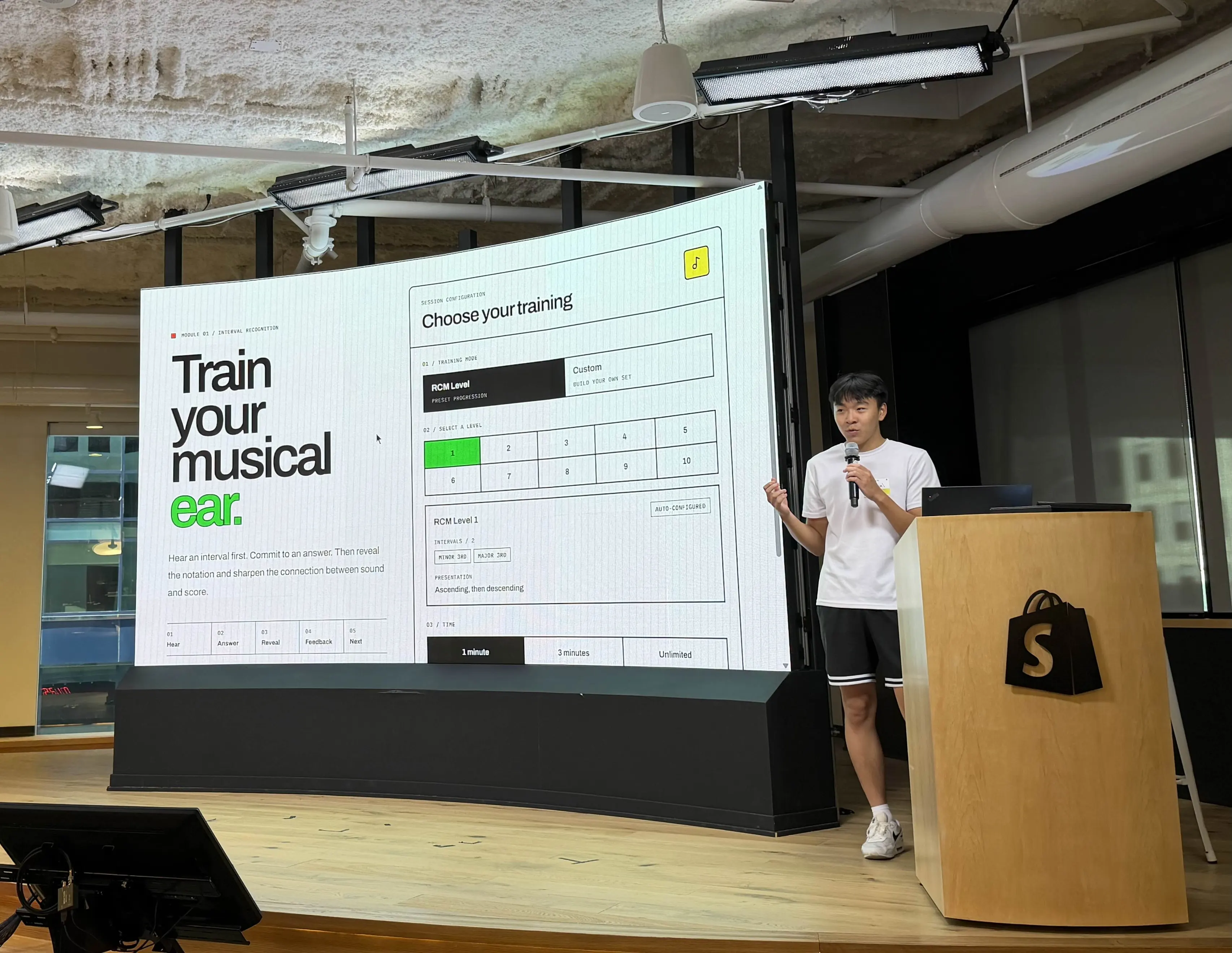
Most kids practicing at home don’t have a second musician in the house, so those drills wait for the next paid lesson. Michael is the teacher waiting on the other side of it. He’s also a computer science student, and he’s building the app that lets his students drill alone.
Michael pitched on September 13 at Builder Sundays, the free weekly sessions where Shopify opens its offices in Toronto, Montréal and Ottawa to solo builders and small teams working on early ideas.
About Michael WANG
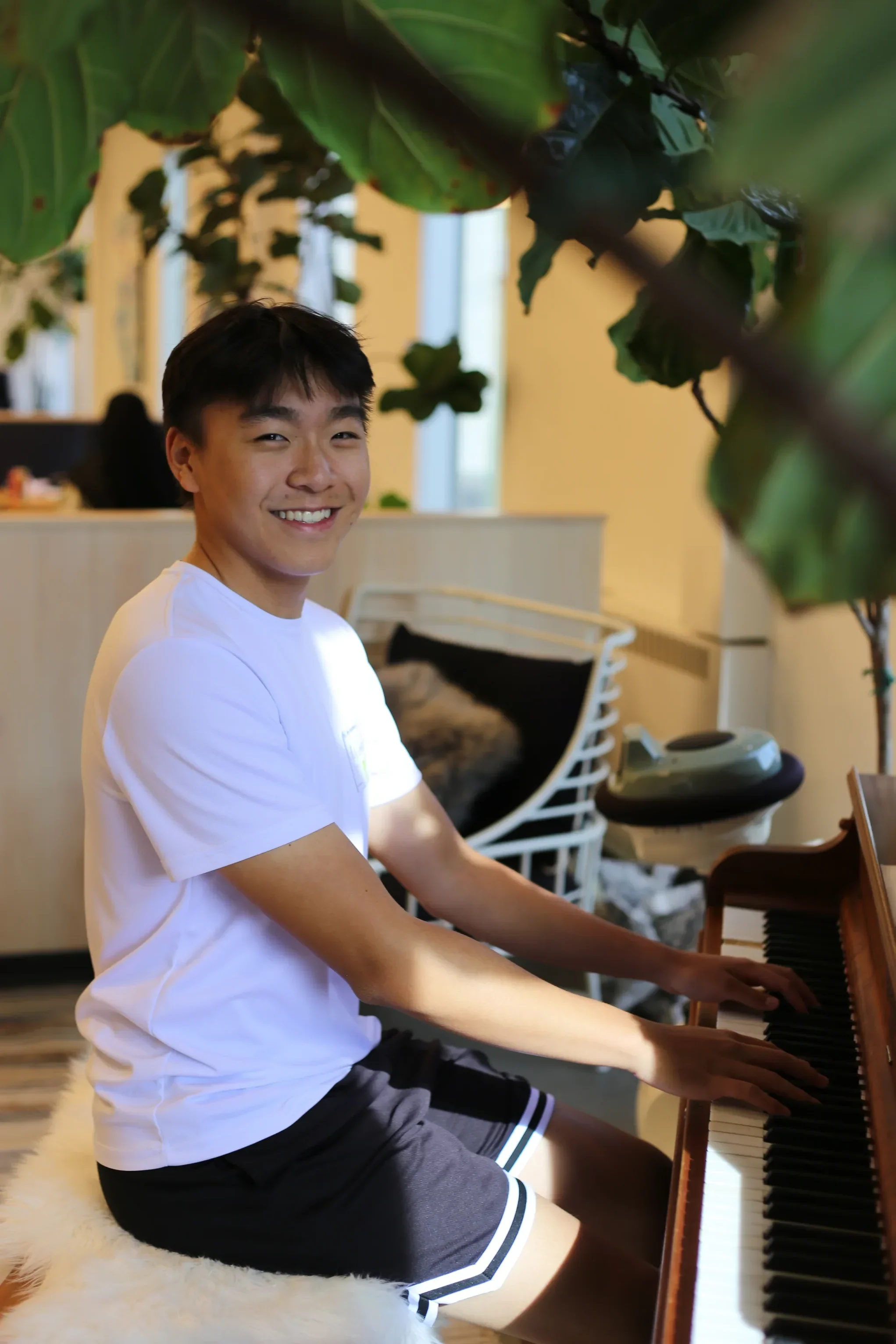
Michael is a first-year computer science student at Carleton University. He’s also a piano teacher at Barrhaven Music Academy in Ottawa, a job he’s held since 2024, and he earned First Class Honours with Distinction on his own Level 8 piano exam. He spent last summer as a software engineering intern at Nokia.
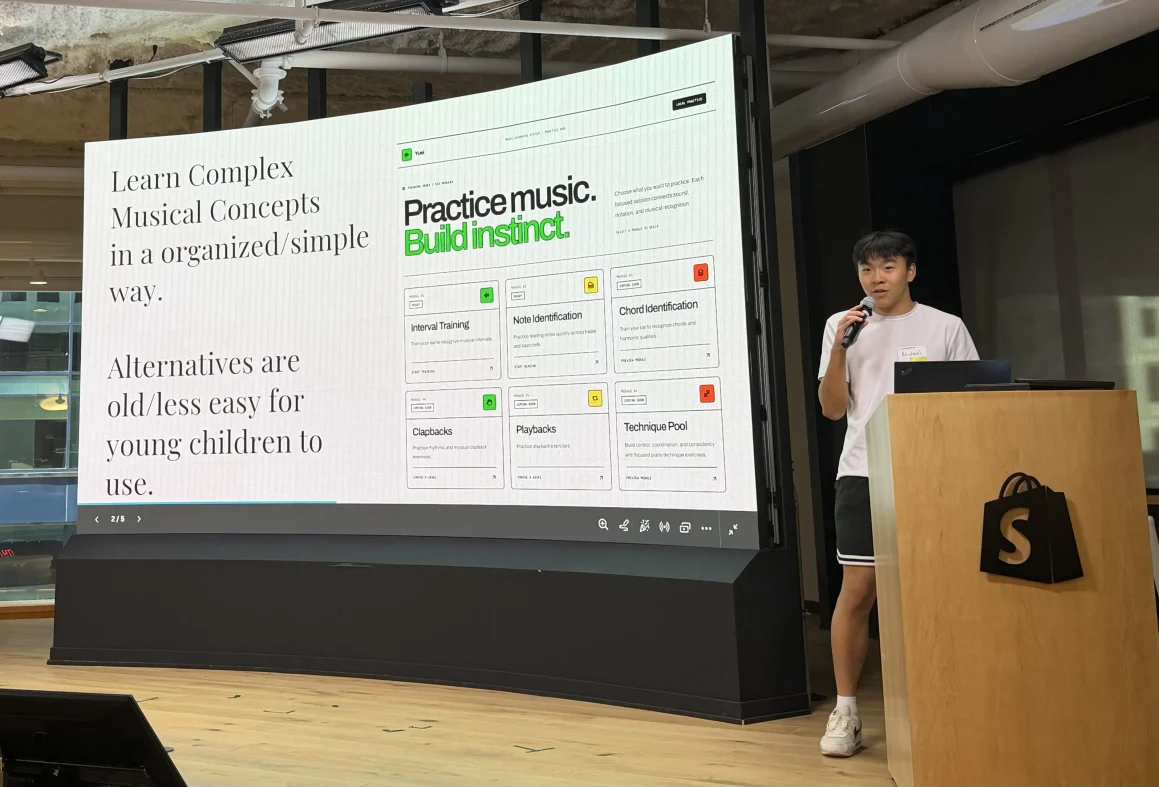
His product: A piano skill trainer that helps students learn complex musical concepts in an organized, simple way.
The piano homework nobody can do alone

Start with the part of music lessons that parents rarely see.
In Canada, the best-known graded path for piano is the Royal Conservatory of Music (RCM). Beyond performing pieces, every practical exam tests the ear: the examiner plays an interval, a chord or a short melody, and the student has to name it, clap it back or play it back. In the RCM piano syllabus, ear tests are worth 10 of the exam’s 100 marks, with sight reading worth another 10. Michael put the “learn it through reps” share of the exam at 10 to 15%, which lines up.
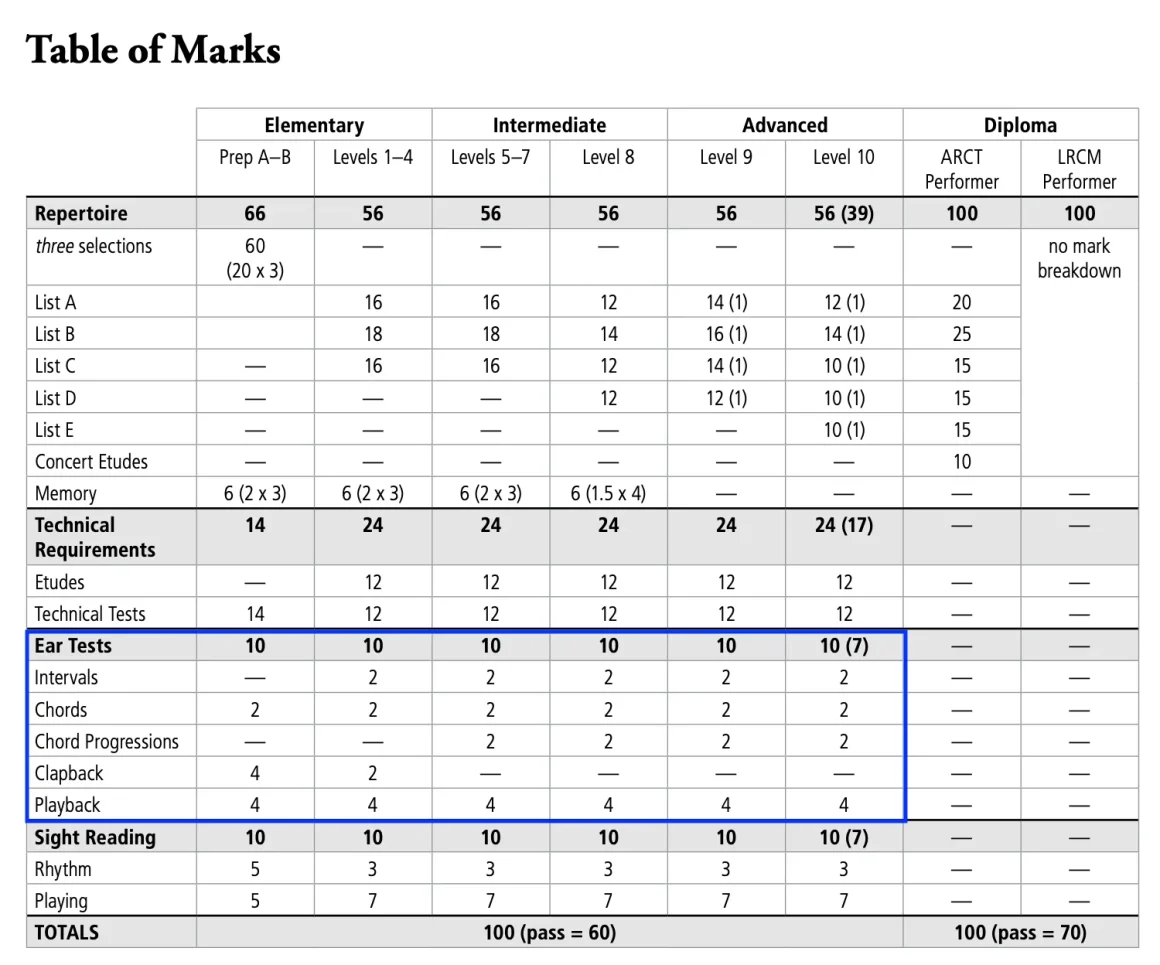
Ear skills improve almost entirely through repetition. The catch is who plays the notes. As PianoTV’s RCM guide points out, practicing ear tests at home usually means you need a teacher or a friend to play the examples for you. Most kids don’t have a musician on call on a weeknight, so the drilling happens during paid lesson time.
Michael sees the cost of that from the teacher’s bench.
“I’m wasting a lot of time with students in class,” he said, on skills “they could be working on at home.”
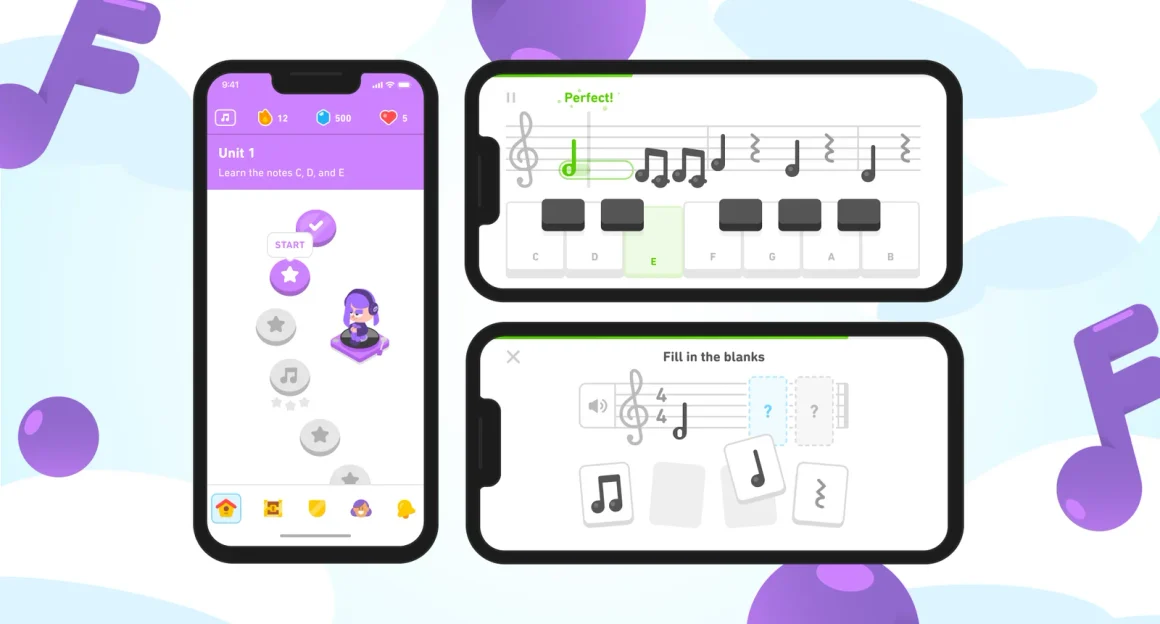
His fix is surprisingly simple. A student picks a level (or builds a custom set), the app plays a sound, the student names the interval, and a stats screen shows how they did. 2 modules are live. The student can run the whole drill alone, which doubles as a pitch to parents: nobody else has to sit at the piano.
He didn’t find this problem through a market map. He found it at the piano bench, lesson after lesson.
Why teaching gives Michael an unfair head start
Michael’s customer list came straight from his own week: music academies like the one he teaches at, school music teachers who could send drills home as homework, students cramming for exams, and parents, whom he called a “very good paying customer.” He’s watched those parents up close. “I see how parents really care about their children’s musical education,” he said, calling it “a place where people are willing to spend money.”
The exam body itself proves him right. The RCM sells its own Online Ear Training & Sight Reading tool for $9.99 a month, and its product page lists more than 5,000 exercises per tool plus a progress tracker.
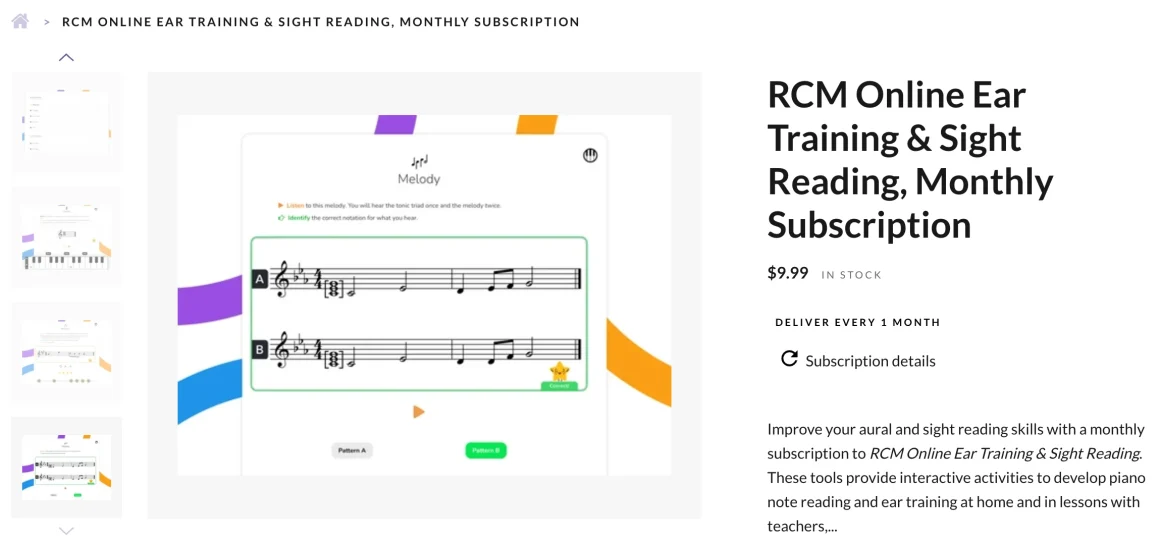
Families already pay for this category, which saves Michael the hardest early question: will anyone pay at all?
He named that competition honestly in his pitch: similar tools exist at $9.99, he said, but they’re harder to use, and the older ones don’t work well for younger kids. That’s a real opening, and a narrow one. The RCM tool already tracks progress, so “easier” has to be something a young student and a busy teacher both feel in the first 5 minutes. The strongest version of his edge is the teacher’s workflow: assign the drill, see who did it, and walk into the next lesson knowing where each kid is stuck.
The monetization question: free app or paid subscription?
Michael came with 2 business models and asked the room for feedback, which is the right instinct at week 3.
Option 1 was a free product funded by business deals or by selling user data, which he compared to Duolingo. Option 2 was a proven subscription at around $9.99 a month. He’d already done the tradeoffs himself: free is enticing but earns little until you’re huge, subscriptions work but people cancel when they don’t see value. He also flagged his own gap on the data route: “I don’t have a background in cyber security.” Knowing where you’re weak at week 3 puts you ahead of most founders at year 3.
2 facts make his choice easier.
First, Duolingo makes most of its money from subscriptions. In Q2 2026, Duolingo reported $258 million in subscription revenue out of $298.5 million total, with 12.7 million paid subscribers. The free app brings people in, and the subscription pays the bills. Duolingo also launched a piano-based music course in 2023, focused on reading notes and playing songs, which is worth watching even though it doesn’t target RCM ear tests.
Second, Michael’s users are kids, and children’s data is some of the most tightly regulated data there is. In 2023 the U.S. Federal Trade Commission took action against Edmodo, an education platform, for collecting children’s personal data without parental consent and using it for advertising. The order carried a $6 million penalty (suspended because Edmodo couldn’t pay) and required the company to delete models built on that data. For a solo founder, one mistake there can end the company.
A better model already exists, and it fits Michael’s customer list almost exactly. ClassDojo is free for teachers, kids and families. In 2019 it launched ClassDojo Plus, an optional paid plan for families, and its founders say that revenue covers the company’s running costs and keeps the core product free. Teachers bring the whole class in; parents pay for the extras.
What founders can take from Michael’s first 3 weeks
Michael is early, and he said so. But his pitch still holds 4 lessons any early-stage founder can use.
- Build for people you already see every week. Michael’s first users sit in his lessons, and his problem statement came straight from them: class time spent on drills students could do at home. If you don’t have that kind of access to your customers, get it before you write more code.
- Separate who pays from who uses the product. Michael’s users are kids, but he named parents as the “very good paying customer,” and teachers and academies as the way in. ClassDojo runs on the same split: free for teachers and families, with an optional paid plan for parents that covers its running costs.
- Treat user data as a risk before you treat it as revenue. Michael raised his own security gap before anyone asked. That instinct matters most when your users are children, as Edmodo’s FTC order shows. Collecting only what the product needs is also an easy promise to make to parents and schools.
- Ask for feedback while it’s still cheap to change course. Michael brought 2 business models to a room of builders and asked which one to pursue. At 3 weeks in, changing his mind costs him almost nothing.
The next test is whether students who drill with the app walk into their ear tests better prepared. A student who needs the reps, a parent who’s happy to pay and a teacher who wants class time back add up to a real business. Michael is 3 weeks in, and he’s only getting started.