Written by Qurb E Muhammad Syed
The best AI agent might be the one that feels like texting a friend. Grok Bot lets you build a whole team of bots that assign, review and fix each other’s work. On Saturday, Ottawa’s builders get to try it.
Make a group chat. Add 3 bots. Name one of them Senior Product Engineer and leave the other 2 as normal junior engineers. Then give them something to build.
The senior bot actually starts ordering the juniors around. “No, that doesn’t look right. Correct that.” “There might be a bug over there, have a look.” The same back-and-forth you’d see on a real team, except nobody in the chat is a person.
That’s Grok Bot, and it’s why I think it’s going to win. There’s no config file and no terminal. You just message your agents like you’d message a friend, and from the very get-go you understand how it works. The whole app functions like a chat app.
Ottawa, Saturday night, bring your laptop
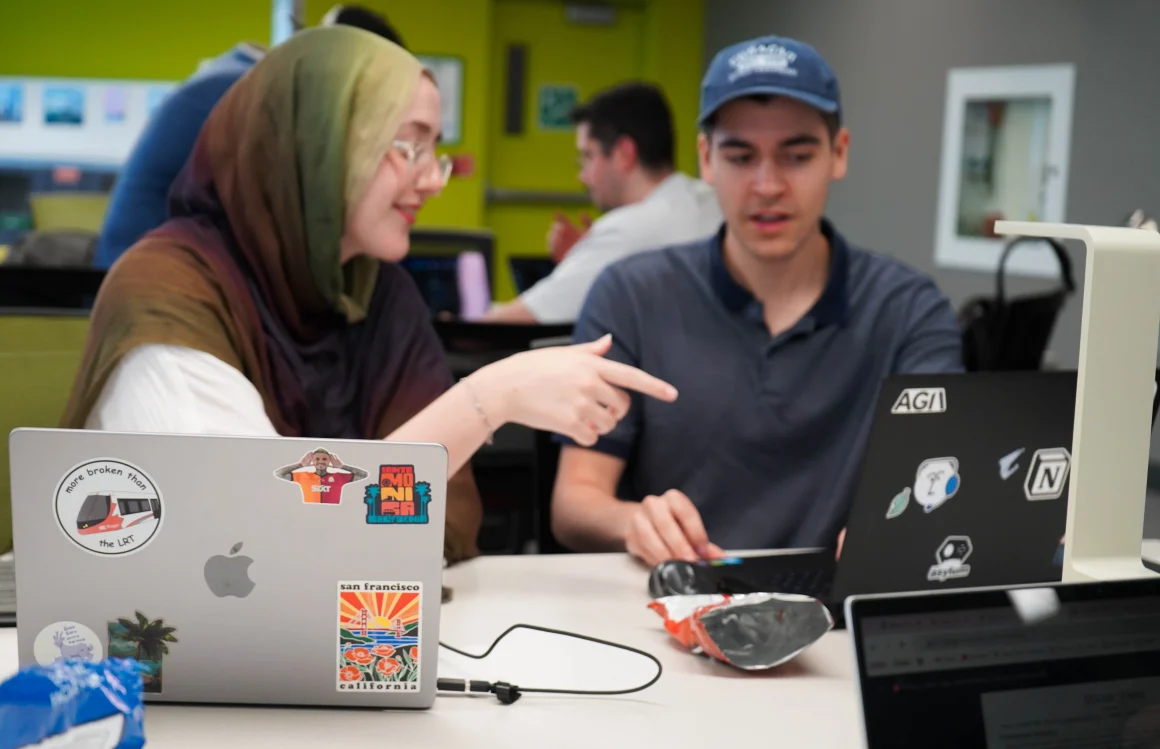
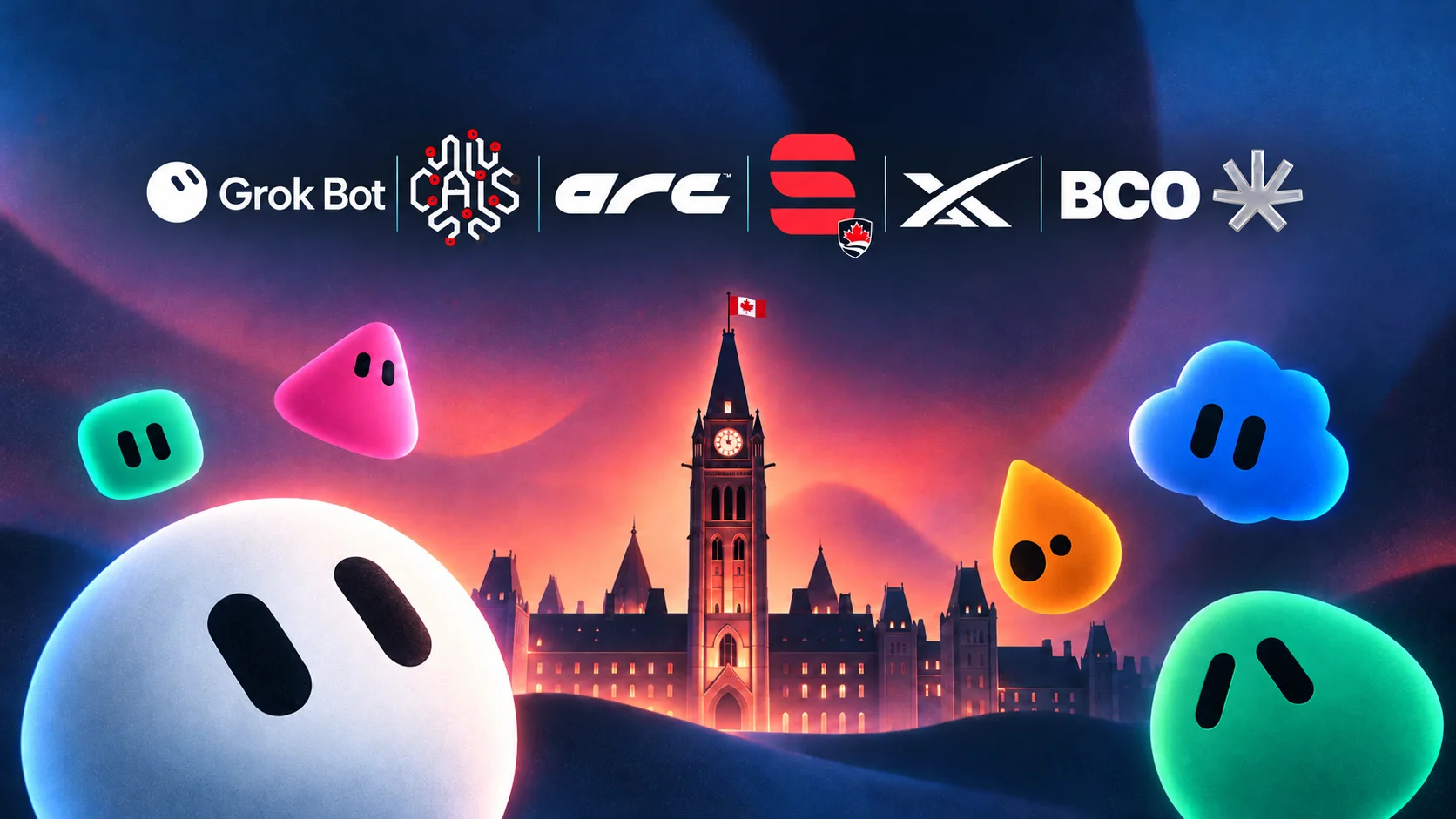
On Saturday, October 17, SpaceXAI is bringing the Grok Bot Meetup to Ottawa, and Builders Collective Ottawa is co-hosting it. We’ll be at the Impact Hub Ottawa from 6 to 10 PM. You’ll get a Grok Bot 101, live demos, a showcase of what local builders have made with it, and real time to meet people. Everyone gets free Grok Bot credits, and there’s food and drinks.
We’re running it with 5 student communities from across Ottawa:
- Carleton AI Society (CAIS)
- Autonomous Racing (ARC)
- Computer Science Society (CCSS)
- ColorStack
- Sprott IT Student Society (SISSA)
I love that mix. Racing engineers, AI people, CS students and business-tech students all hit the same problem with agents: setting them up eats the time you wanted to spend building. Saturday is about skipping that part. You don’t need any Grok Bot experience. Just bring your laptop.
Ottawa isn’t the first to do this. In September, SpaceXAI ran Grok Bot build nights at UC Davis and Iowa State. Now it’s our turn. Space is limited and hosts approve every registration, so request to join on Luma early.
The agent race got crowded fast
A few months ago, if you wanted an AI agent that actually did work for you, your options looked very different.
Grok Bot launched in beta on August 11. Each Bot is a teammate with a computer in the cloud. It signs into the tools you already use, works across your apps and inbox, and only comes back when something needs your approval. You can close your laptop and it keeps going.
Introducing Grok Bot, now in early beta. Bots are AI teammates that do real work for you. They sign in to your tools, use them just like you do, and come back with finished work. https://t.co/uyfA97yo98
— Grok Bot (@bot) August 11, 2026
Before that, the main option people around me used was Hermes Agent, the open-source agent from Nous Research. It’s powerful, and it’s free to run on your own server. But you’re configuring it yourself: installing from the terminal, picking your model provider with one command, setting up tools with another, then starting a separate messaging gateway before you can even text it on Telegram or Slack. If you love tinkering, great. For most people, it’s just not intuitive.
Then OpenAI came in with Dots, announced September 29. Dots are capable too: each one gets a cloud computer and can connect to over 4,000 apps. But right now you get 1 primary dot, and OpenAI says it envisions teams of dots “over time.”
So everyone has the cloud computer now. What actually separates these products is how fast a normal person goes from download to getting something done.
4 reasons I think Grok Bot wins
This is what I’ll be talking about on Saturday. Each one comes with a real team using it.
1. You can make way more bots.
With Dots, you get 1 agent today, and more are coming later. With Grok Bot, you build a roster of named Bots, each with its own job, and I haven’t seen a published cap on how many you can make. (The docs do say to start with the smallest team that gets the job done, which is fair.)
SpaceXAI’s own teams run a chief-of-staff Bot on top, with a specialist for each lane: inbox, expenses, recruiting, bug fixes. One of their engineering Bots reproduces a bug in the product, files the ticket and hands the fix to a separate debugging Bot.
2. It’s just a chat app, and this is the big one.
If I had to pick one reason Grok Bot wins, it’s how easy and intuitive it is. You message your Bot from your phone or laptop and say something like, “Hey, can you check this out?” Once your tools are connected, it handles it.
SpaceXAI’s launch post makes the same point: other tools make you build workflows first, while Grok Bot just takes the task. One person on their team said it was “just like bringing on a coworker.” Inside SpaceXAI, an ops Bot seats new hires and processes invoices that land in Gmail. That’s exactly the kind of job a founder ends up doing at midnight.
3. Your bots work off each other in group chats.
You can put 2 to 6 Bots in a group chat and they pass work between themselves. Tag a Bot with @ when it owns the task, or just write normally and let the group decide who answers.
That’s how the senior and junior engineer setup works: one Bot oversees and corrects, the others build. SpaceXAI uses the same idea at a much bigger scale. Its Engineering Team Bot steered hundreds of Cursor cloud agents and helped a 5-person team ship more than 100 pull requests a day.
4. Team Bots let your whole team share one.
On September 28, SpaceXAI launched Team Bots in public beta on Teams and Enterprise plans. Instead of everyone building their own, your team shares one Bot that already has the right files, apps, credentials and memory.
Introducing Team Bots, shared AI teammates that learn as your team works with them. Give your Team Bot the skills, plugins, and credentials it needs for its role, then work with it in Slack or Grok Bot. https://t.co/73RrG4xpaU
— Grok Bot (@bot) September 28, 2026
Everyone’s conversations with it stay private, and it gets its own Slack handle so you can drop it into a channel. Harper, an insurance company for small businesses, built a Team Bot in 24 hours to track down customers whose policies had lapsed and get them covered again, saving those customers over $120,000.
Connecting your tools (and the fine print)
The cleanest way to hook up your tools is through connectors, which you add as plugins from Connect apps. And if a tool doesn’t have one, or there’s no official way in like MCP, you can just tell the Bot to log in for you and it works in the browser. For startups running on random niche tools, that fallback is huge.
The login part is handled pretty well. When the Bot hits a password, a two-factor code or a CAPTCHA, it hands you control of its computer. You type it in yourself, and the session stays signed in so you’re not doing it every time. For supported connections there’s a secure field where your secret is masked and never shows up in the chat. So the Bot keeps working with your accounts, but your password doesn’t end up sitting in your chat history.
To be fair, OpenAI says dots can also use saved passwords without exposing them to the model. Keeping credentials safe is becoming the baseline, which is good for everyone.
Now the honest part. All the Bots on your account share one cloud computer, including its files and sign-ins, and xAI’s own FAQ says not to treat separate Bots as a security boundary. If one Bot shouldn’t have a login, don’t put it on that computer. Set “Ask first” rules for anything that sends, publishes, deletes or buys. It’s also still a beta, so you’ll hit rough edges. My advice: start with low-risk jobs and give your Bots more access as you start trusting them.
From internal prototype to your laptop on Saturday
Grok Bot started as an internal prototype at SpaceXAI. Teams across the company were using it for sales outreach, marketing campaigns, office operations and bug fixes before it ever launched. Nobody had to learn a new tool. It was a chat window, so people just started using it.
That’s the experience I want Ottawa to have on Saturday. If you’re in town, request your spot and come build with us. Bring your laptop and one task you hate doing every week. You’ll leave with free credits, a few Bots working on that task and a room full of people building the same way.
If you’re not in Ottawa, download Grok Bot and give one Bot one clear job this week. Then make a second one and put them in a group chat together. You’ll get where work is heading way faster than any article can explain it.
The builders who figure out how to run a team of bots this year are going to be the ones hiring their first humans next year. I want a lot of them to come from Ottawa.
About the Author

Qurb E Muhammad Syed is a fourth-year Software Engineering student at Carleton University, SpaceXAI Ambassador and co-founder of Builders Collective Ottawa. He builds and ships software, from AI agents to automation tools and products for Canadian university students. As co-founder and engineering lead of BCO, he runs the co-hacks and events that bring the city’s builders into the same room. He started BCO to give Ottawa a place where people who make things can find each other, work side by side, and ship together. Today that community is over 400 builders strong.